
Hermetospheres
Experiences with plant life in closed glass containers
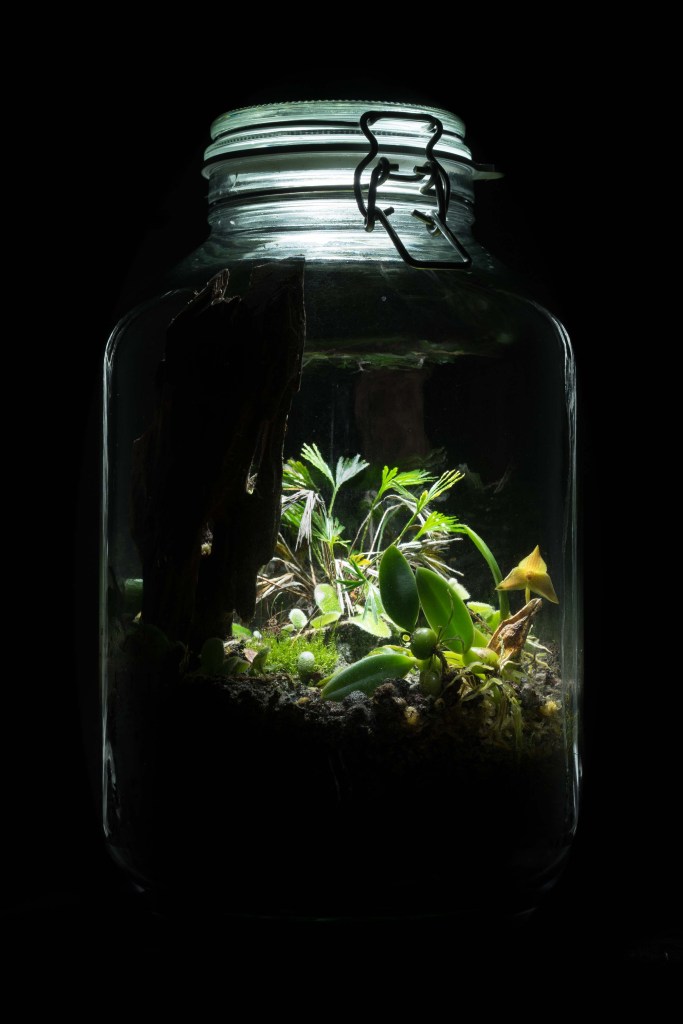
Hermetospheres
Experiences with plant life in closed glass containers
Latest Articles
-
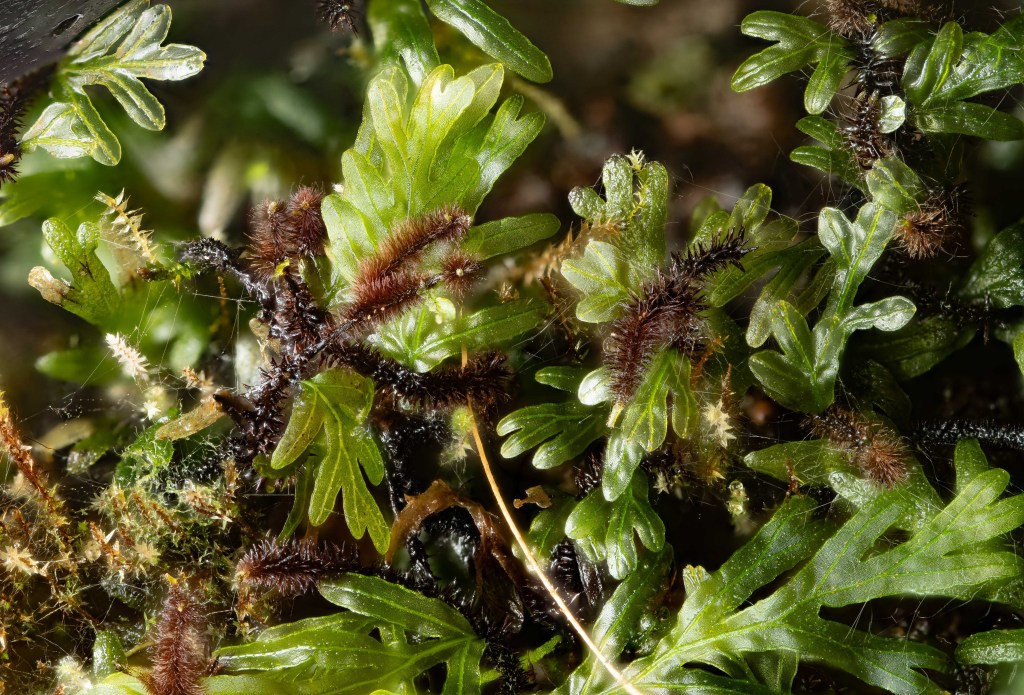
Leaves like a thin skin
Read more: Leaves like a thin skinAt first glance, hardly any other group of plants seems as well-suited to cultivation in hermetospheres as filmy ferns: many have leaves that grow to just a few centimetres in size, grow slowly and, above all, are highly adapted to a life in high humidity. Now that I can report on initial experiences, it is…
-
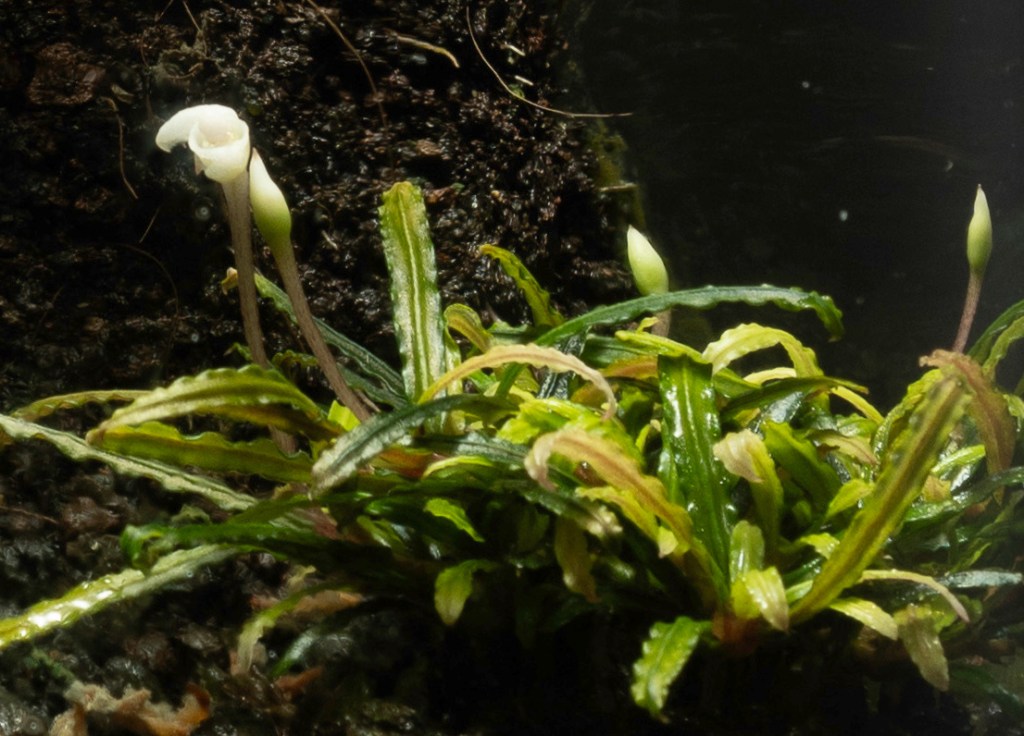
Bucephalandra sp.?
Read more: Bucephalandra sp.?Does it matter? Why I strive for reliable identification of the plants I use in my hermetospheres.
-
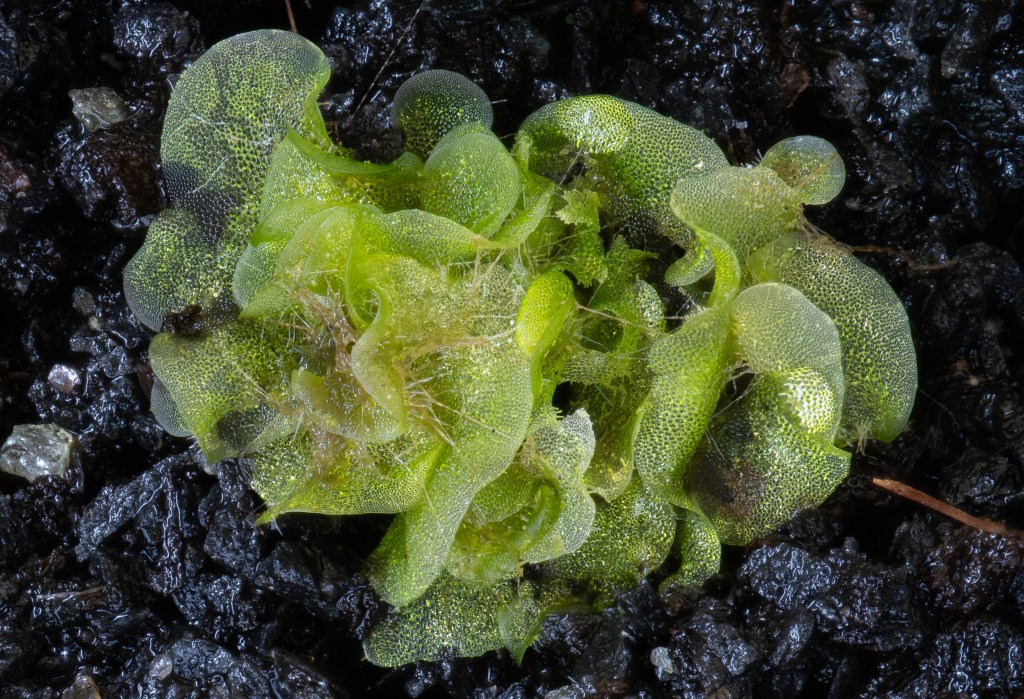
From transience to permanence
Read more: From transience to permanenceDiscover how I learned with one of my hermetospheres what an independent fern gametophyte is.
-
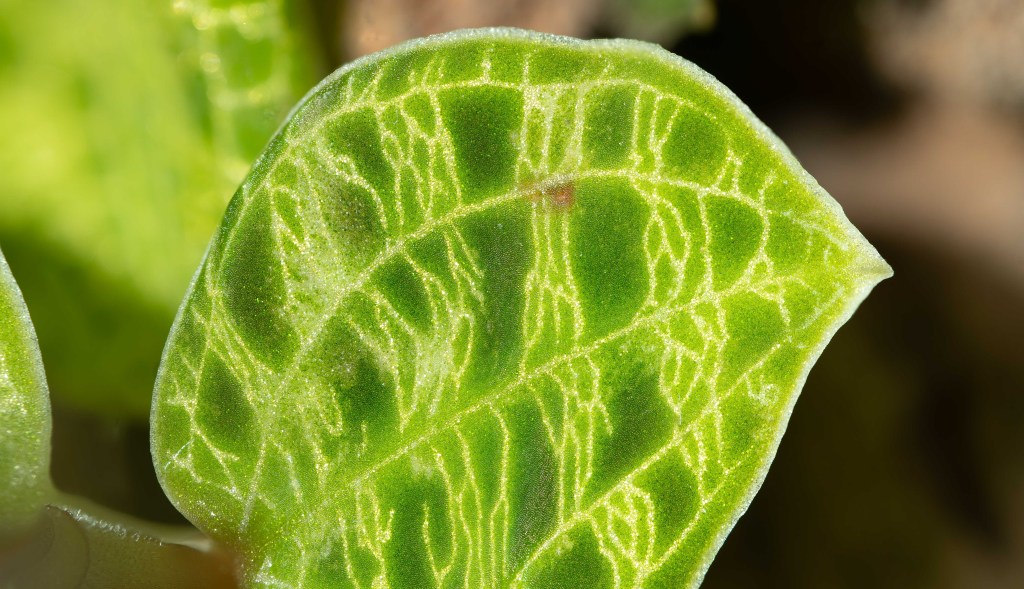
A leaf like precious, woven silk
Read more: A leaf like precious, woven silkFind out what makes an orchid’s leaf so glossy that the plant was named after a precious cloth. And learn how an early plant scientist explored the optical properties of the leaf’s epidermis.
-
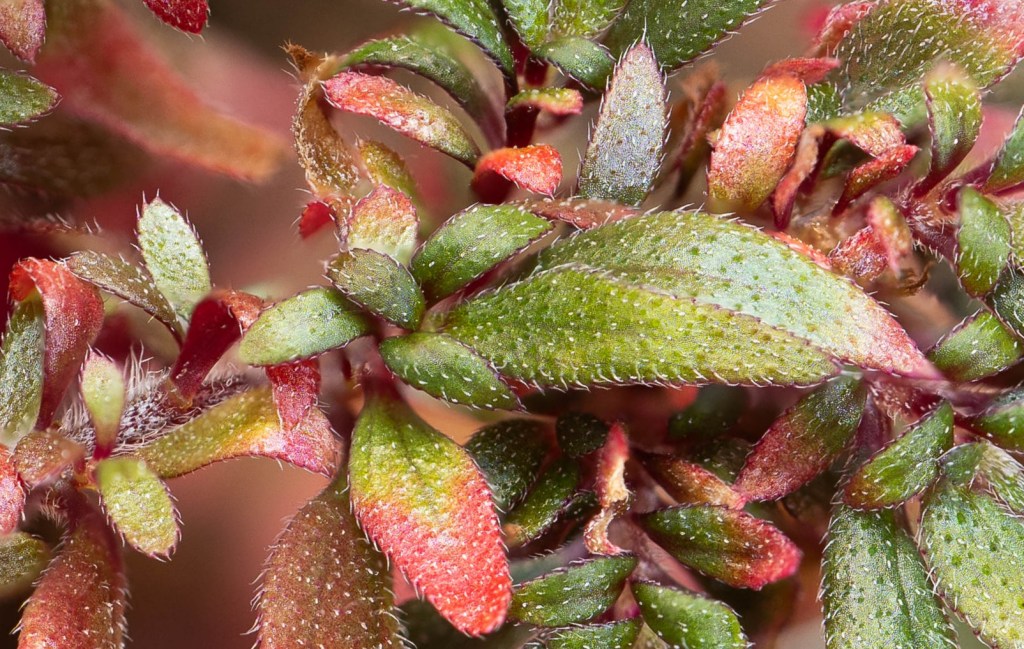
Perennial or not?
Read more: Perennial or not?Discover a genus of Melastoma from the Neotropics comprising just four species, at least one of which has been found to be a perfect hermetosphere plant.
-

The Hoya from river Endau
Read more: The Hoya from river EndauFollow the two-year development of Hoya endauensis in the closed terrarium, from cutting to the first bloom, and learn what we can know about this particular wax plant.
-

Moss propagules for an easy spread
Read more: Moss propagules for an easy spreadDiscover how the moss Bryum cf. moravicum spreads in a closed container without spores or wind or flowing water, just relying on threadlike propagules.
-
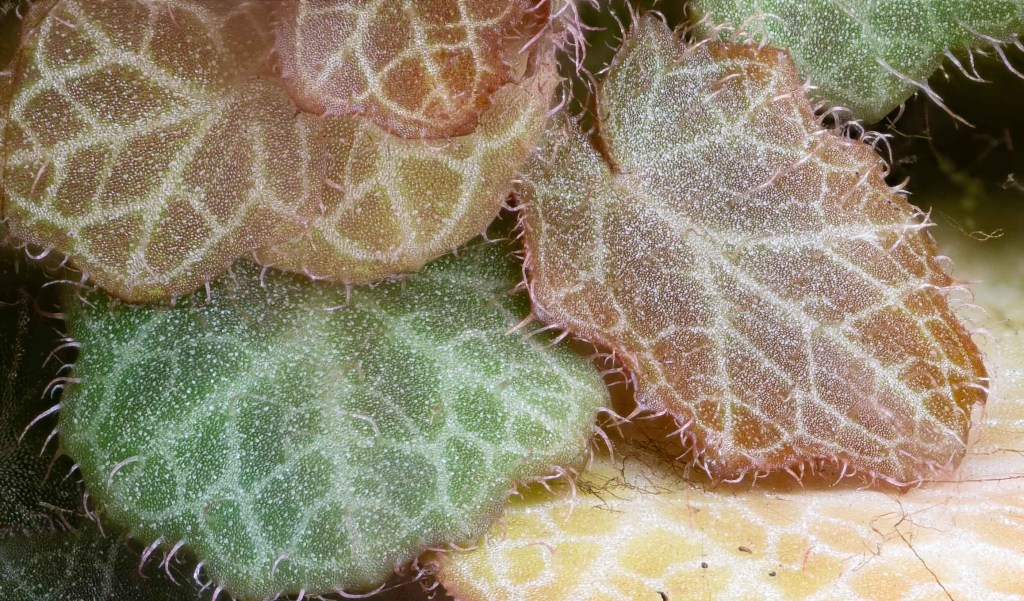
Neither strawberry nor begonia nor geranium
Read more: Neither strawberry nor begonia nor geraniumSaxifraga stolonifera, commonly known as the strawberry begonia or strawberry geranium, demonstrates that there are plants of non-tropical origin that can thrive in the closed terrarium. Not only can the plant grow under a wide variety of conditions, but it also exhibits great diversity in its appearance. Recent research findings shed light on the underlying…
-
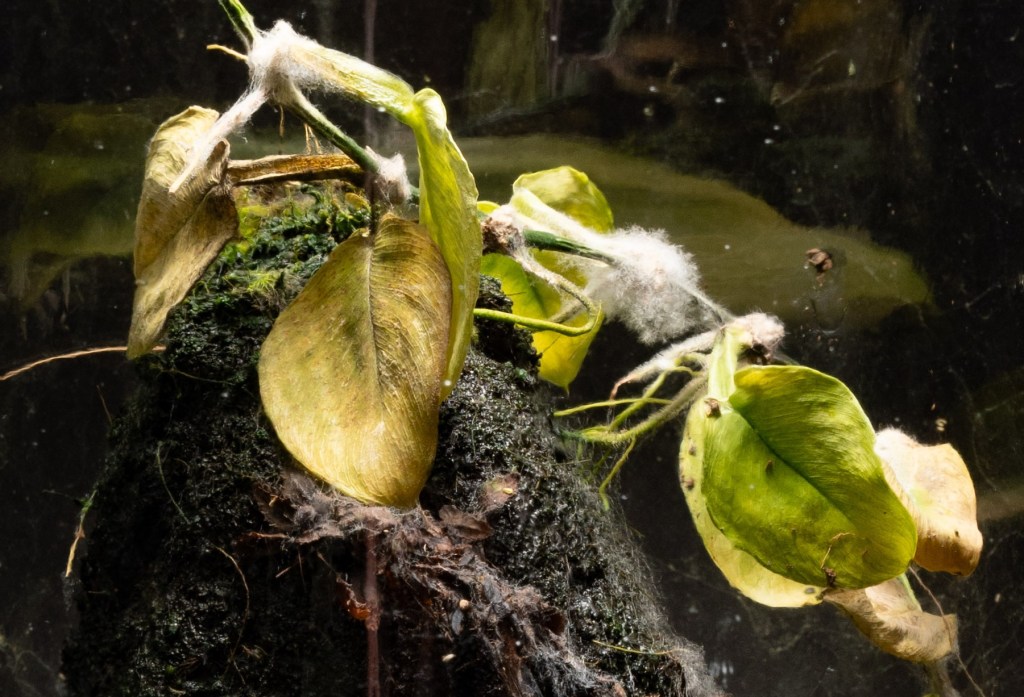
Unexplained breakdowns
Read more: Unexplained breakdownsSometimes, a container just heads towards decline, and you don’t know why. Even if you think you have found the ideal conditions for your hermetospheres after years of experience and dozens of tries. Let me show two examples where, after a promising start, none of the plants simply would thrive.
-
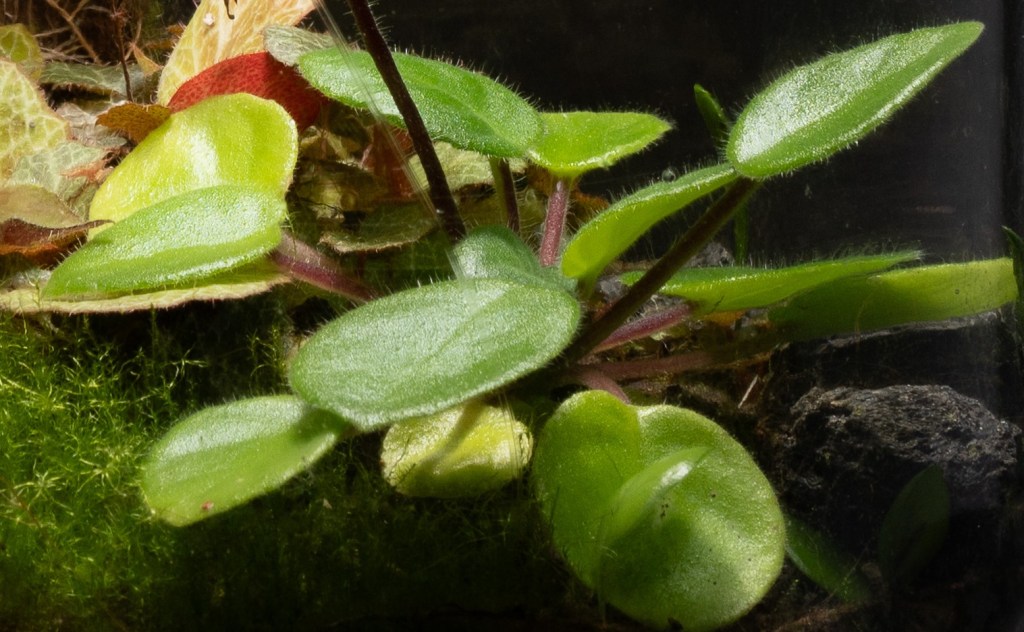
Collected once and never again since?
Read more: Collected once and never again since?You wouldn’t expect this from such a widely grown plant: it appears that all cultivated specimens are descended from a single wild collection. Discover the story of the Asian Violet and find out how it thrives in a closed terrarium.

