-
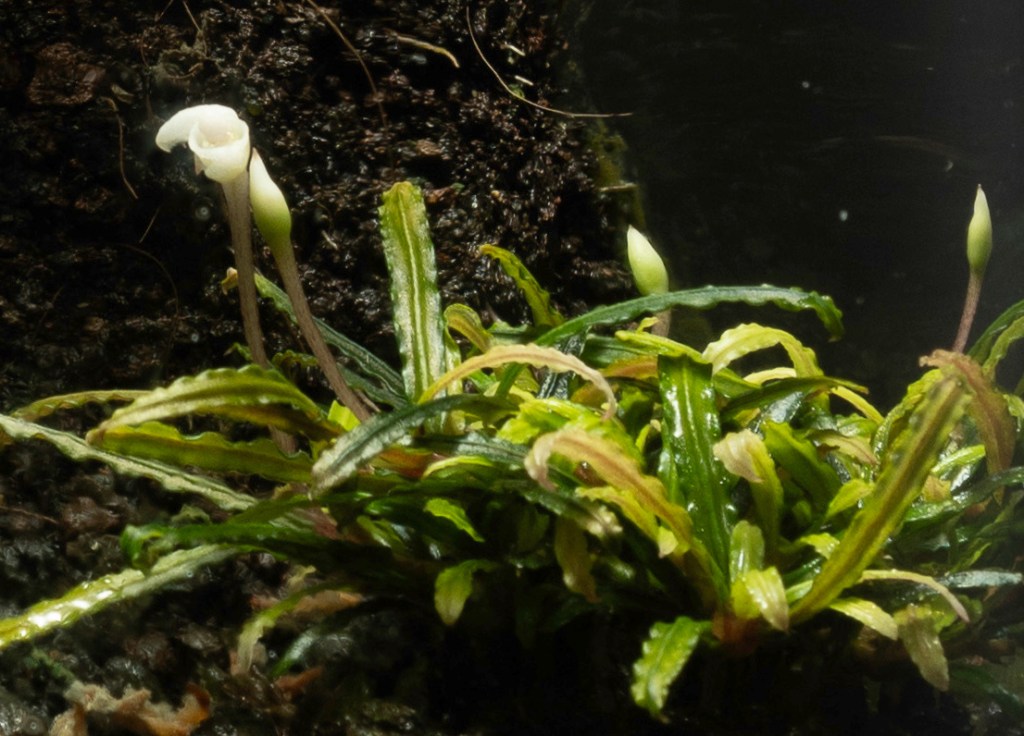
Bucephalandra sp.?
Read more: Bucephalandra sp.?Does it matter? Why I strive for reliable identification of the plants I use in my hermetospheres.
-
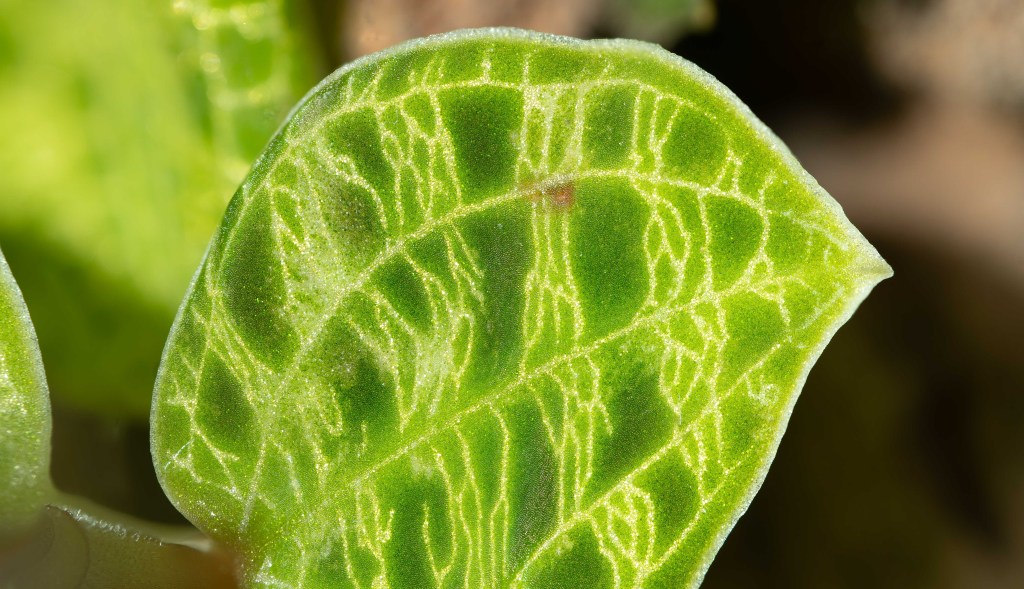
A leaf like precious, woven silk
Read more: A leaf like precious, woven silkFind out what makes an orchid’s leaf so glossy that the plant was named after a precious cloth. And learn how an early plant scientist explored the optical properties of the leaf’s epidermis.
-
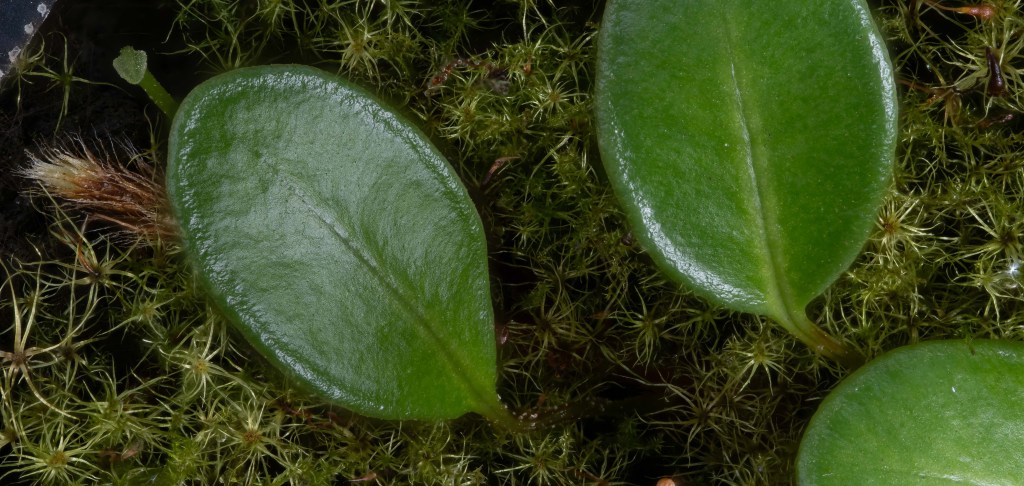
Named after an anagram
Read more: Named after an anagramFind out how the fern Selliguea metacoela is doing in the closed terrarium and how this fern genus got its name.
-
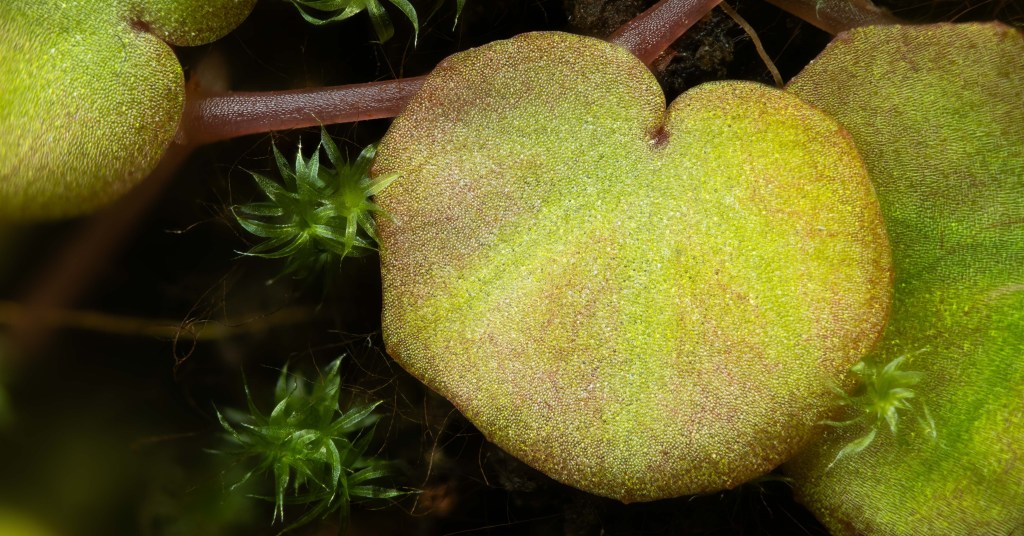
Decline and resurgence
Read more: Decline and resurgenceThis is another story of a plant that has undergone prosperity, decline and resurgence in the hermetosphere. Follow the timeline of an astonishing development of a small, creeping Begonia from Borneo.
-

An under-researched plant family
Read more: An under-researched plant familyUsually, when I place a new plant in a new hermetosphere, I want to know its identification down to species level. I have several reasons for this. In most cases, identifying the species is a prerequisite for obtaining information about its natural habitat. This information is helpful to assess whether or not a plant is…
-

The olive-coloured begonia
Read more: The olive-coloured begoniaFirst collected presumably in 1979 and scientifically described 10 years ago, Begonia olivacea is established in the terrarium plant trade by now, both as potted plants or seed. According to the recommendations for cultivation given by the nurseries, the hermetosphere is bound to provide the perfect conditions for the plant. It is described as lithophytic…
-

Succeeding generations (3): Ludisia discolor
Read more: Succeeding generations (3): Ludisia discolorIf hermetospheres are supposed to last over years, it is advantageous to work with plants that are able to produce offspring under the particular restrictions given (a.o. limited space, unlikely pollination). The terrestrial orchid Ludisia discolor has its own way of ensuring offspring in the absence of pollinators. The key to this type of vegetative propagation…
-
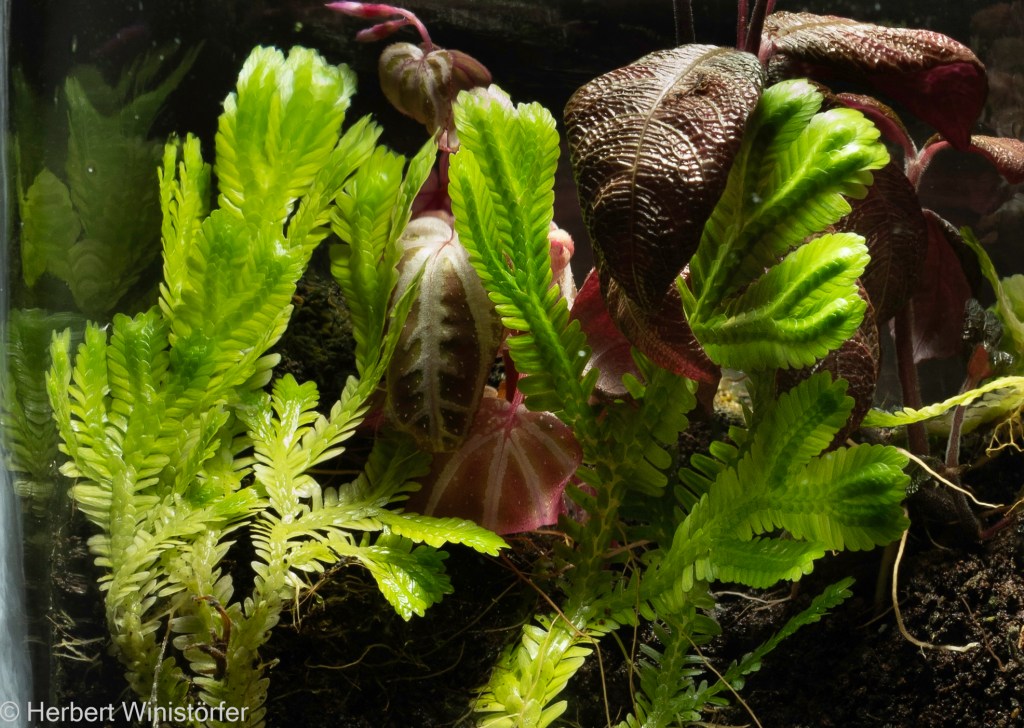
Brooks’ Selaginella: Plant knowledge as a by-product of colonial politics
Read more: Brooks’ Selaginella: Plant knowledge as a by-product of colonial politicsThe history of the discovery and first description of Selaginella brooksii is, as is often the case with tropical plants, also a history of colonial activities by European states. The story of S. brooksii is far from unique, but it is exemplary and therefore worth telling here.
-
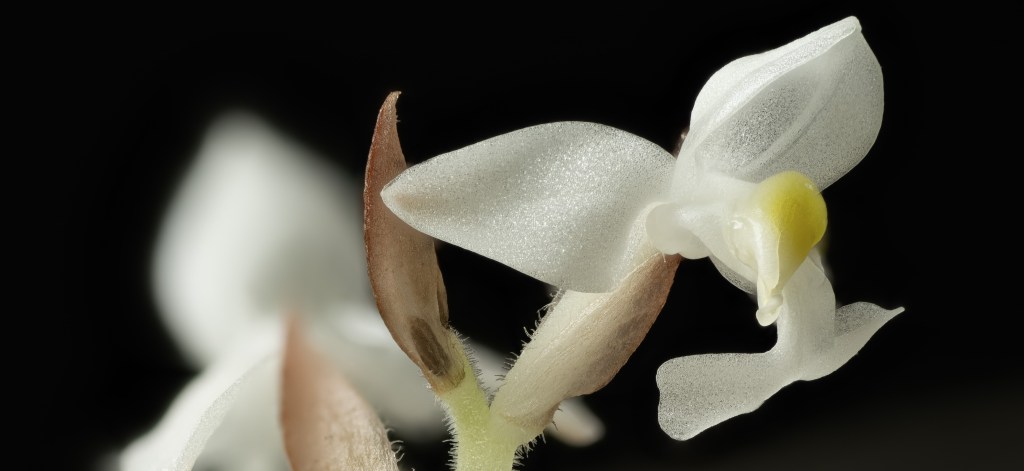
The orchid flower that lost its symmetry
Read more: The orchid flower that lost its symmetryThe ‘jewel orchid’ Ludisia discolor is common in culture, and reports from fellow hermetosphere enthusiasts as well as the description of the orchid’s natural habitat made me confident that it would also thrive in the closed container. My experience so far has proved me right. Jewel orchids are cultivateed mainly for their patterned leaves and…
-
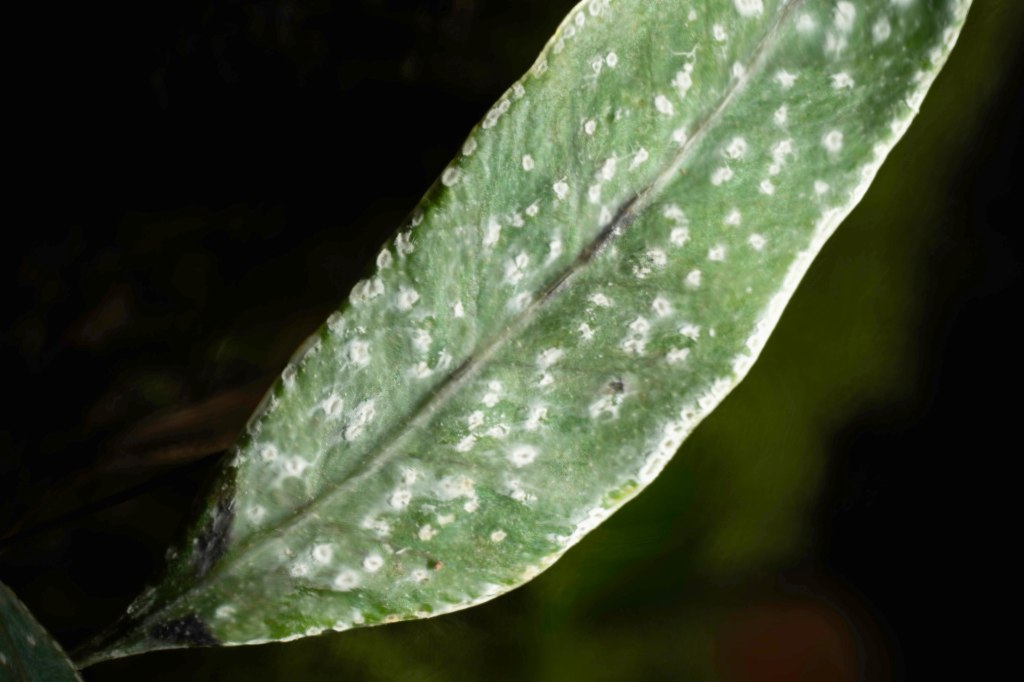
A fern with conspicuous white spots
Read more: A fern with conspicuous white spotsWhy does my fern Selliguea albidosquamata show a large number of white dots on the margins and upper side of the leaf blades? Some research revealed a likely explanation.
-
Subscribe
Subscribed
Have a WordPress.com account? Log in now.

