-

The Hoya from river Endau
Read more: The Hoya from river EndauFollow the two-year development of Hoya endauensis in the closed terrarium, from cutting to the first bloom, and learn what we can know about this particular wax plant.
-
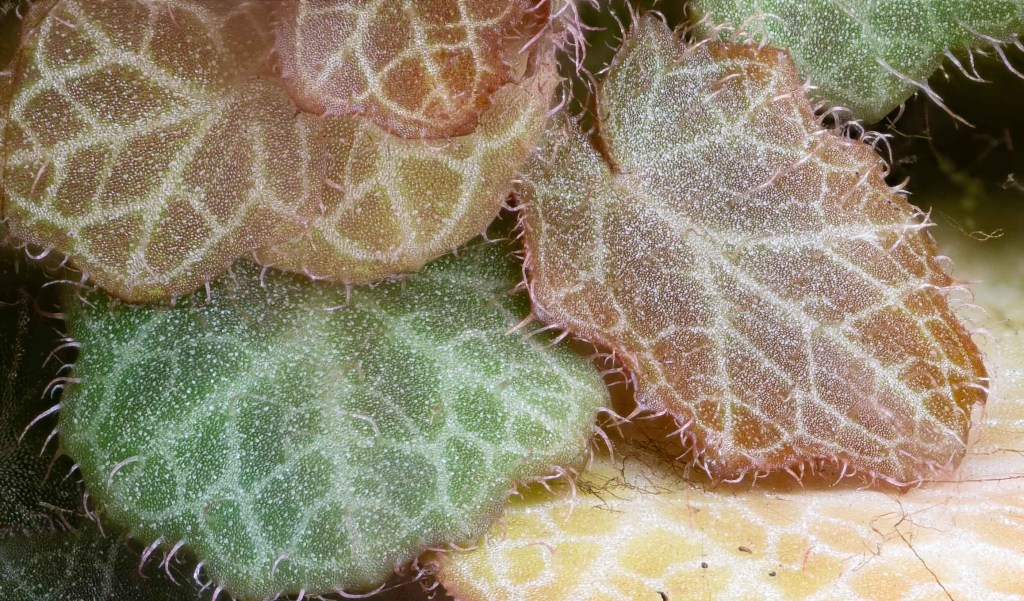
Neither strawberry nor begonia nor geranium
Read more: Neither strawberry nor begonia nor geraniumSaxifraga stolonifera, commonly known as the strawberry begonia or strawberry geranium, demonstrates that there are plants of non-tropical origin that can thrive in the closed terrarium. Not only can the plant grow under a wide variety of conditions, but it also exhibits great diversity in its appearance. Recent research findings shed light on the underlying…
-
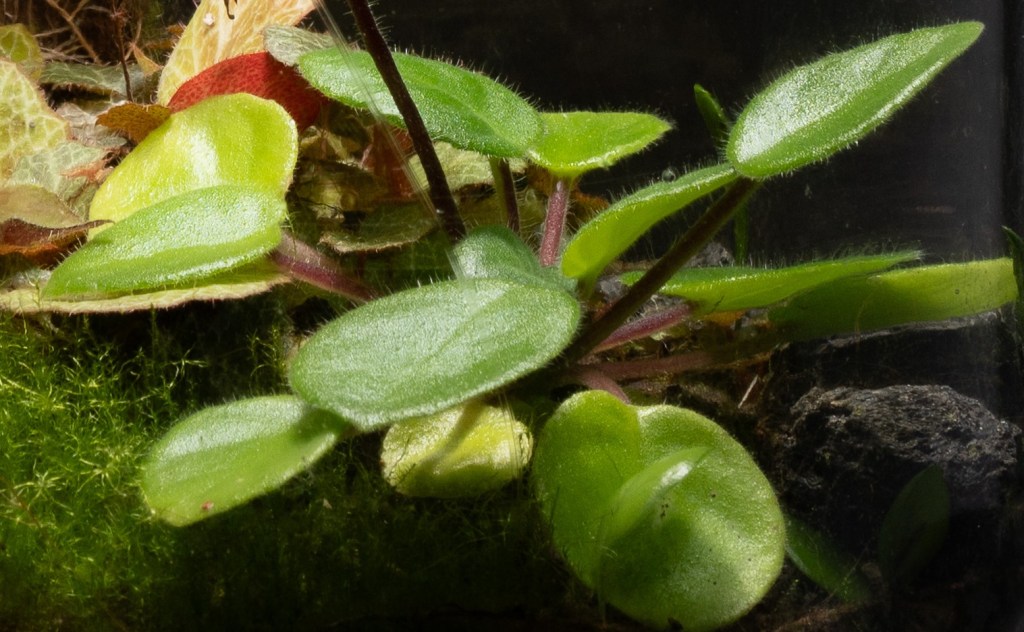
Collected once and never again since?
Read more: Collected once and never again since?You wouldn’t expect this from such a widely grown plant: it appears that all cultivated specimens are descended from a single wild collection. Discover the story of the Asian Violet and find out how it thrives in a closed terrarium.
-

Succeeding generations (3): Ludisia discolor
Read more: Succeeding generations (3): Ludisia discolorIf hermetospheres are supposed to last over years, it is advantageous to work with plants that are able to produce offspring under the particular restrictions given (a.o. limited space, unlikely pollination). The terrestrial orchid Ludisia discolor has its own way of ensuring offspring in the absence of pollinators. The key to this type of vegetative propagation…
-
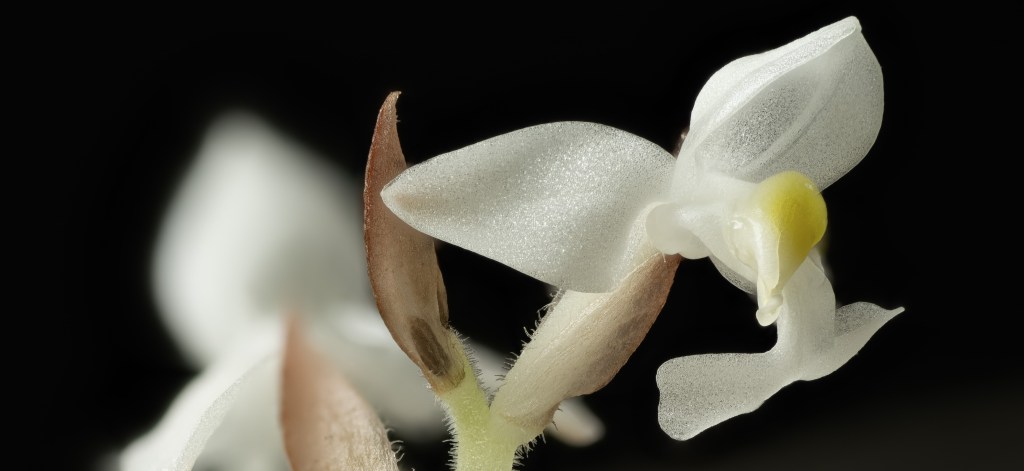
The orchid flower that lost its symmetry
Read more: The orchid flower that lost its symmetryThe ‘jewel orchid’ Ludisia discolor is common in culture, and reports from fellow hermetosphere enthusiasts as well as the description of the orchid’s natural habitat made me confident that it would also thrive in the closed container. My experience so far has proved me right. Jewel orchids are cultivateed mainly for their patterned leaves and…
-
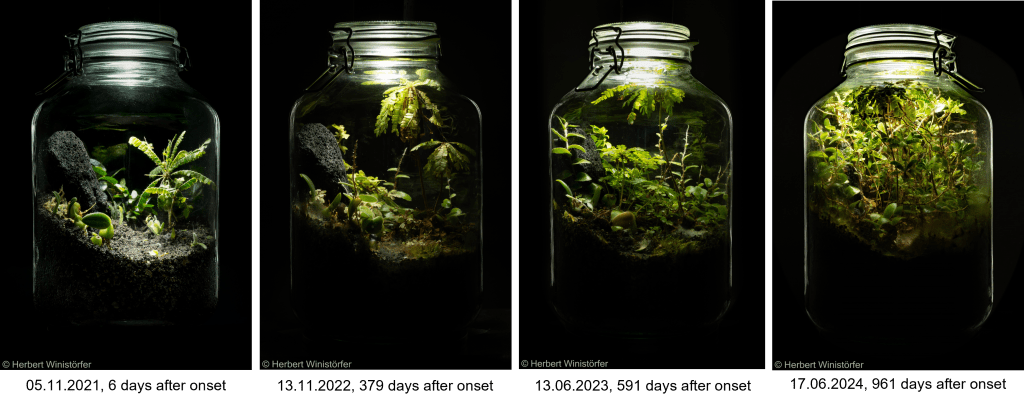
A jungle in the making
Read more: A jungle in the makingOne of the most fascinating aspects of hermetospheres is to see how plant communities develop over years in a confined space – with only minimal intervention. The picture below shows the current state of one of my first containers. How it became what it is today is this story. One of my first containers ever…
-
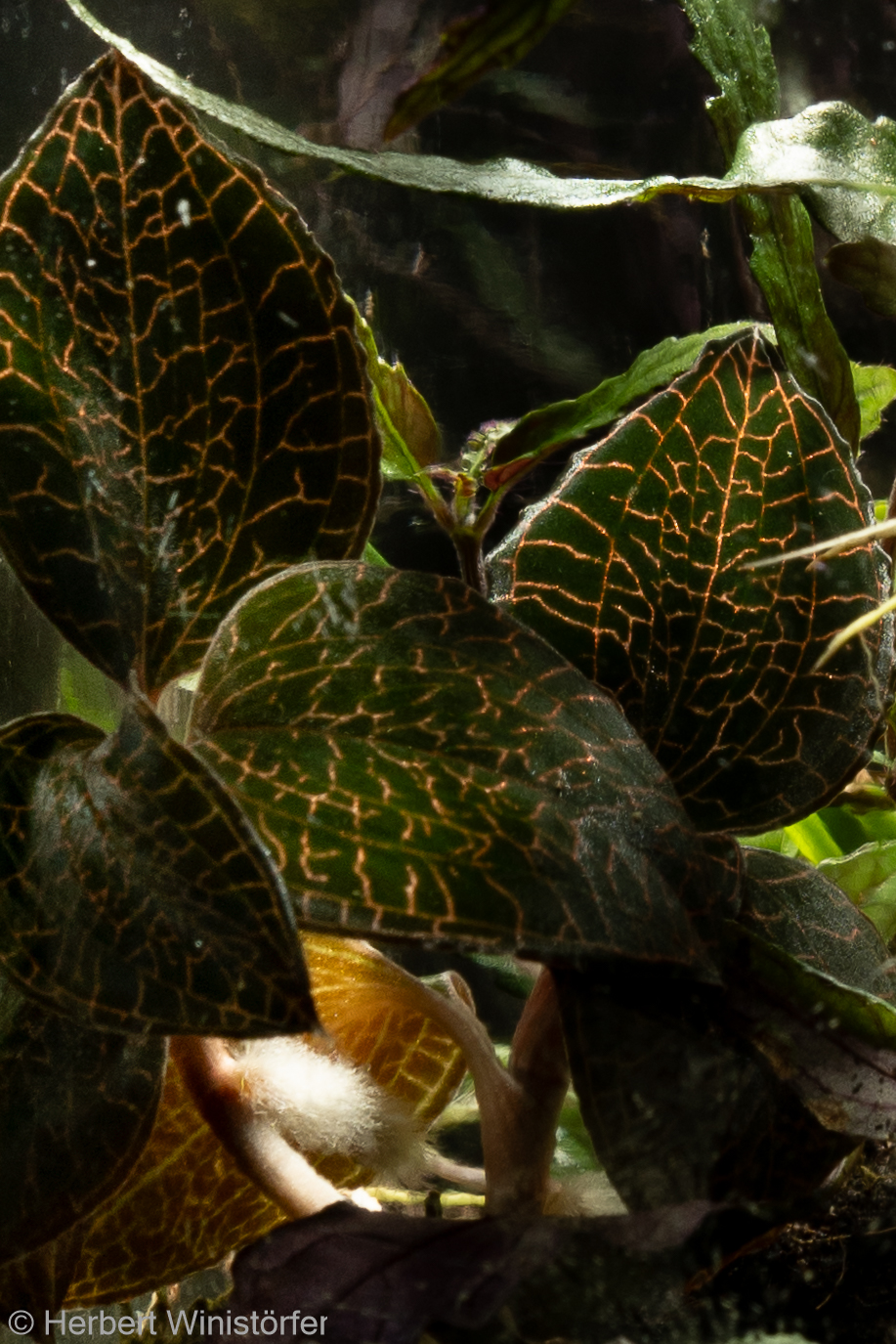
Jewels of the closed terrarium?
Read more: Jewels of the closed terrarium?Since the times of the ‘plant hunters’ of the colonial era, orchids have held a special fascination for plant lovers. Only a small proportion of tropical orchids live with roots anchored in the soil (terrestrial), far more live as epiphytes on other plants. They obtain moisture and nutrients from the precipitation water that runs down…
-
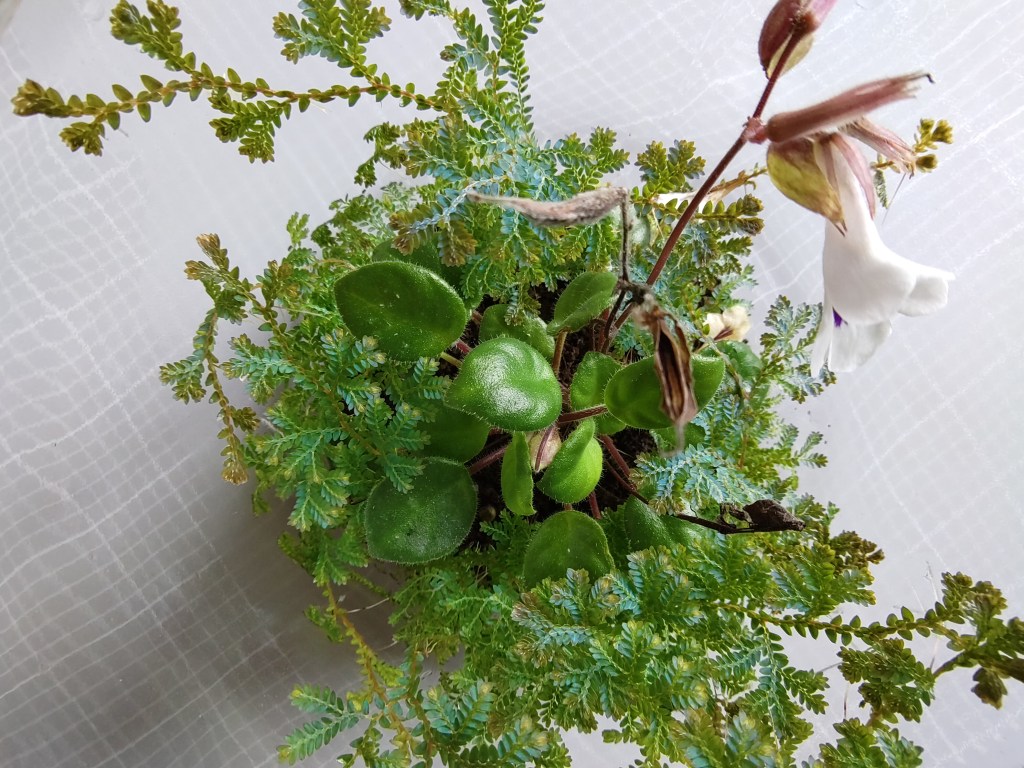
Root or shoot?
Read more: Root or shoot?A primeval plant that grows easily in hermetospheres provides insights into the early history of plant development. Initially I had Selaginella uncinata, a spikemoss, growing in a 1 litre jar for a few weeks as a trial. That is how I found that the plant thrives under hermetosphere conditions and spreads quickly (see picture below).…
-

Succeeding generations (1): Biophytum sensitivum
Read more: Succeeding generations (1): Biophytum sensitivumThe title of his article can be understood in two ways. If you have read my [About], you know that my goal in dealing with hermetospheres is to design miniature systems in which each plant reproduces over several generations. With this post, I begin a series of successful examples of second or third generation plants…
-
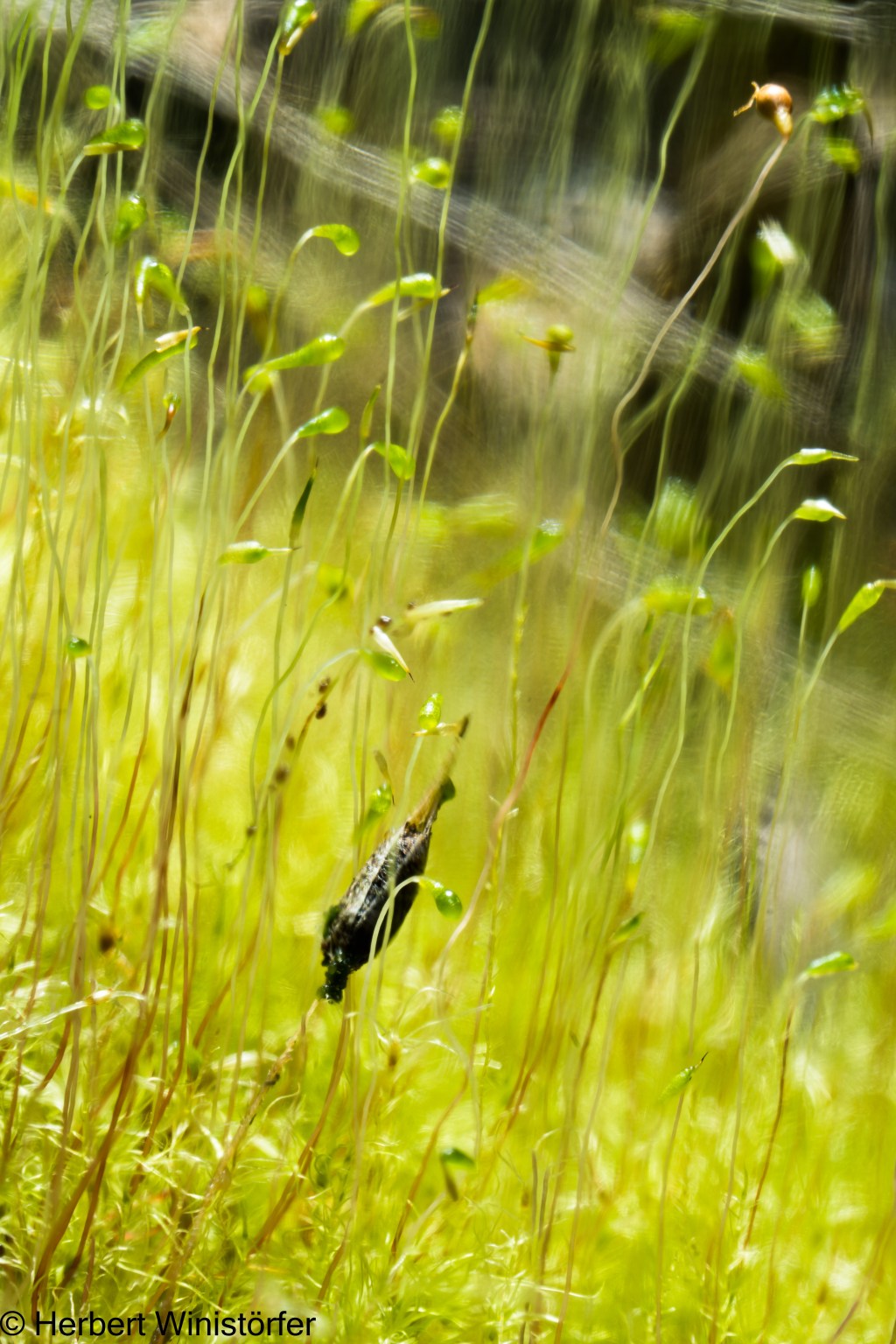
A tiny cosmopolitan
Read more: A tiny cosmopolitanWhen I started with hermetospheres, mosses were not my first priority. They sometimes came as a stowaway with other plants, and I usually let them grow. They did not trouble and formed a welcome ground cover. Moss first caught my attention when spore capsules developed on long, thin stems in my very first hermetosphere jar.…
-
Subscribe
Subscribed
Have a WordPress.com account? Log in now.

