-

Succeeding generations (1): Biophytum sensitivum
Read more: Succeeding generations (1): Biophytum sensitivumThe title of his article can be understood in two ways. If you have read my [About], you know that my goal in dealing with hermetospheres is to design miniature systems in which each plant reproduces over several generations. With this post, I begin a series of successful examples of second or third generation plants…
-

What makes a flower attractive?
Read more: What makes a flower attractive?Tillandsia ionantha has been popular as an ornamental plant since it arrived in the greenhouses of Belgian horticulturist Louis Van Houtte (1810-1876). This is where Jules Émile Planchon (1823-1888) found the specimen he used for his botanical description of the new species (Planchon 1855). As currently circumscribed, T ionantha is widely distributed in Mexico and…
-

The flower destined to stay closed
Read more: The flower destined to stay closedSo far, this jar represents little more than a series of failures. Originally, it was supposed to represent the Mexican Gulf province of Veracruz. There, in the cloud forest of the Sierra Madre Oriental, at an altitude of around 1500m, are the only known locations of Pinguicula emarginata. The species had been recommended to me when…
-
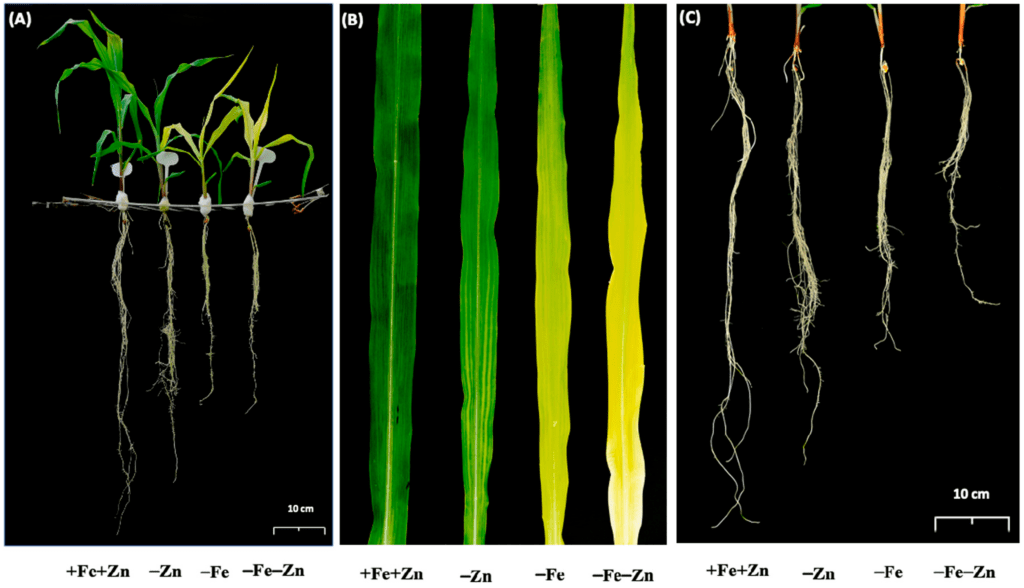
Nutrient conditions
Read more: Nutrient conditionsThis post is part two of a three-part series discussing water conditions, nutrient conditions, and light conditions in hermetospheres. In a closed system of plant life, water, carbon and nutrients are subject to cycles. In the case of nutrients, dying plant tissue is beeing decomposed by bacteria and fungi, and the nutrients it contains are…
-
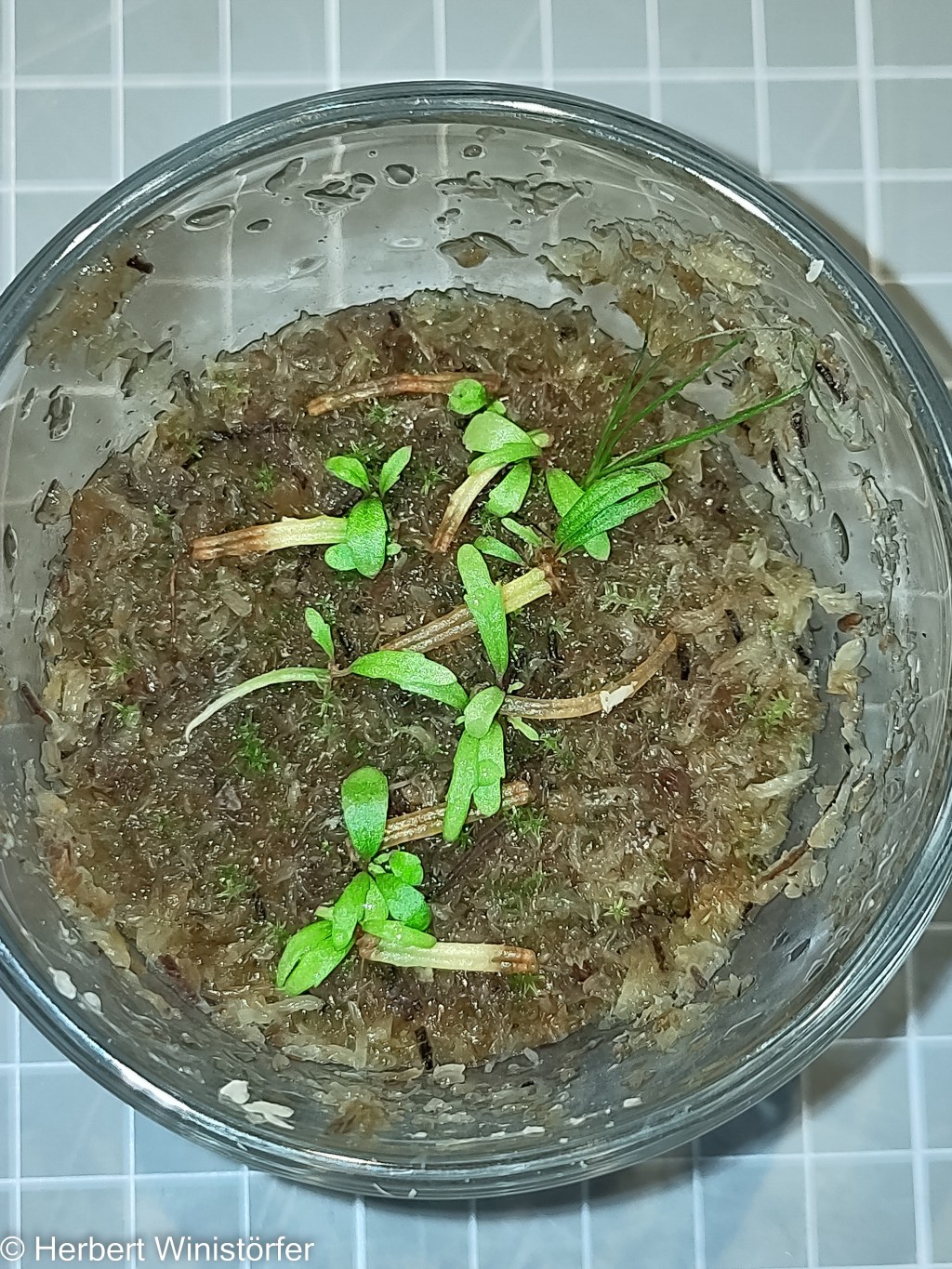
A most exceptional Begonia
Read more: A most exceptional BegoniaBegonia is not only among the most diverse genera in nature (about 1’550 described species), but also among the most intensively cultivated ornamental plants in the world (over 10’000 cultivars). Begonias are known from Africa (160 species), the Americas and Asia (more than 600 species each), but not from Australia. Attempts have been made to…
-
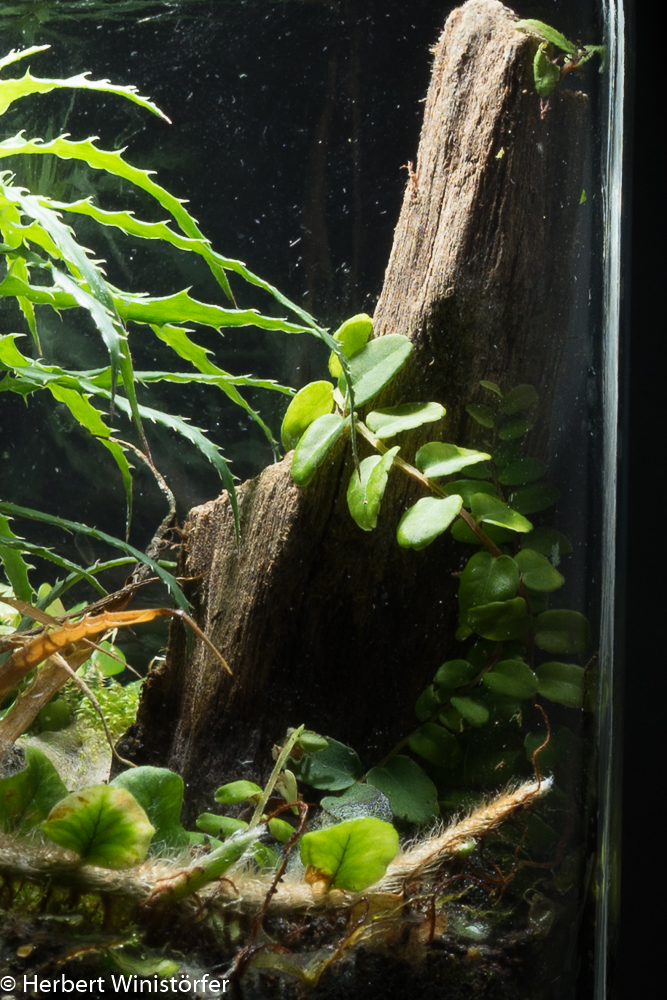
Darwin and the mystery of the coiling direction
Read more: Darwin and the mystery of the coiling directionWhen I acquired this plant as one of my first purchases to grow in a hermetosphere, it was labelled Marcgravia umbellata, but it might as well be Macgravia oligandra. Both plants originate from the caribbean islands and belong to the shingle-leaf climbers – root-climbing plants whose leaves are adpressed and often overlap (Zona 2020). As…
-

Plant on the move
Read more: Plant on the moveThe “little tree plant” (Biophytum sensitivum) is very popular among terrarium hobbyists. Its natural habitat are wet lands of tropical India and South-East Asia, where it grows in the shades of trees and shrubs, in grass lands at low and medium altitudes (Sakthivel and Guruvayoorappan 2012). It looks like a miniature palm tree, is perennial,…
-

Acclimation (1): Ficus punctata
Read more: Acclimation (1): Ficus punctataClosed glass containers inevitably create extreme conditions for plant growth. This is especially the case for relative humidity, which can be assumed to be close to 100% at all times. Most tropical plants can deal with this, and hardly ever I could observe obvious changes from “normal” greenhouse conditions, where my plants usually come from,…
-
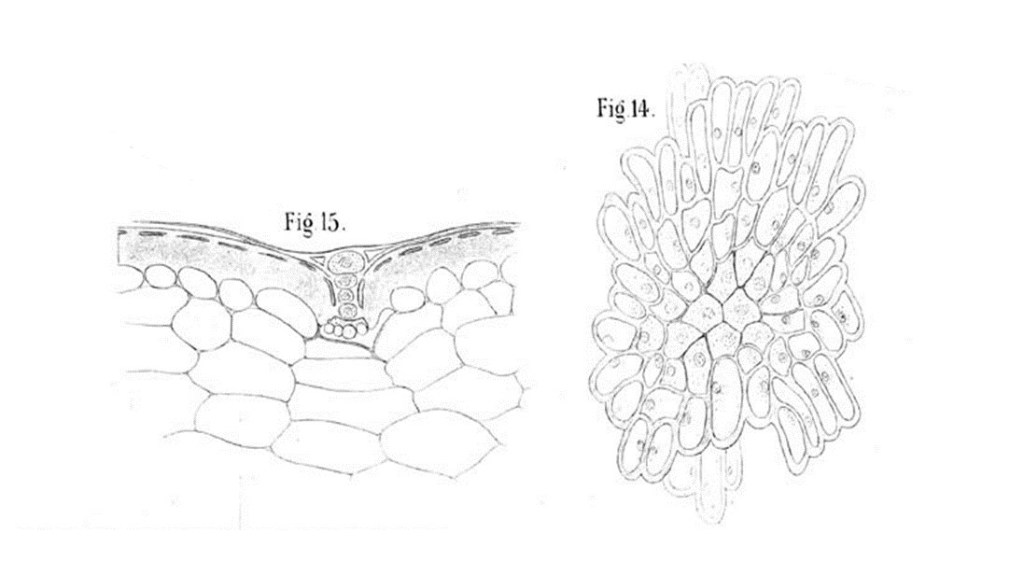
Neoregelia
Read more: NeoregeliaBromeliads, the Bromeliaceae family, are among the most fascinating plants of the neotropical fauna. Most of them grow too large for a 5l hermetosphere. A few however do not only fit in size but also seem to find favorable conditions for living in hermetospheres. Initially, the Bromeliaceae family was divided into three subfamilies based on…
-

Actiniopteris radiata
Read more: Actiniopteris radiataOne of my two jars dedictated to plants native to Myanmar is currently able to tell more than one story. The fern called Peacock’s tail, A. radiata, was meant to be the main protagonist when I started the jar in mid August 2021. Initially, the plant seemed to be comfortable and produced new fronds. After…
-
Subscribe
Subscribed
Already have a WordPress.com account? Log in now.
 Hermetospheres