-
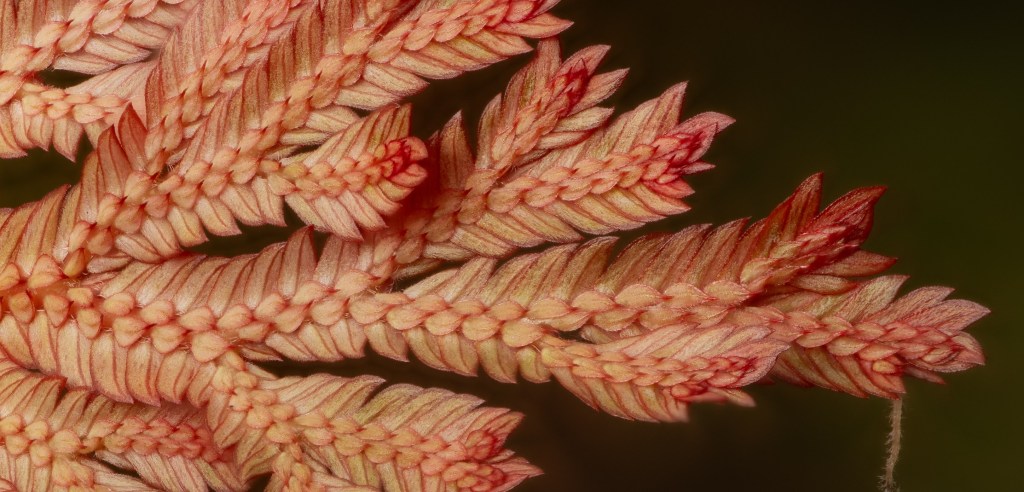
The blue iridescence of the red Selaginella
Read more: The blue iridescence of the red SelaginellaIridescence is the name of shimmering blue metallic colors of certain plants that appear to change as the angle of view changes. You can find out how it is produced in Selaginella erythropus, why it cannot be seen with the bare eye and how unusual this is in the plant kingdom. Before that, it is…
-
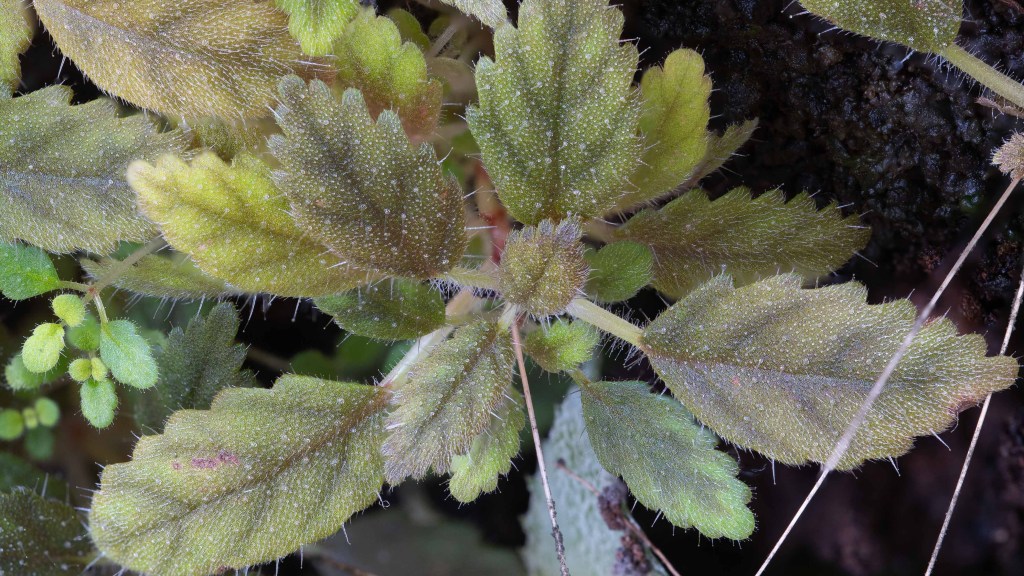
Tuberous miniature Sinningias
Read more: Tuberous miniature SinningiasMini sinningias are popular terrarium plants. With their geophytic life cycle, are they also suitable for the hermetosphere with its steady conditions? Information on the natural habitat, experiences from growers and an experiment should provide some insight.
-

An under-researched plant family
Read more: An under-researched plant familyUsually, when I place a new plant in a new hermetosphere, I want to know its identification down to species level. I have several reasons for this. In most cases, identifying the species is a prerequisite for obtaining information about its natural habitat. This information is helpful to assess whether or not a plant is…
-
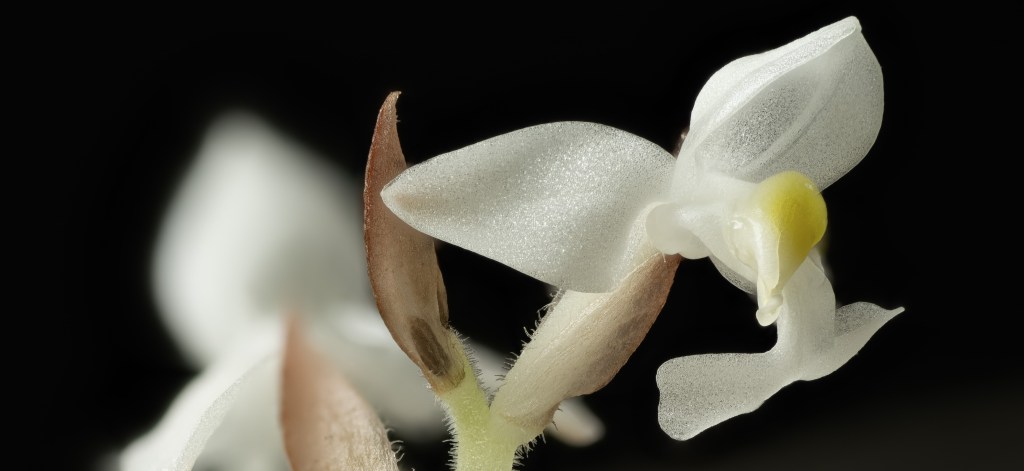
The orchid flower that lost its symmetry
Read more: The orchid flower that lost its symmetryThe ‘jewel orchid’ Ludisia discolor is common in culture, and reports from fellow hermetosphere enthusiasts as well as the description of the orchid’s natural habitat made me confident that it would also thrive in the closed container. My experience so far has proved me right. Jewel orchids are cultivateed mainly for their patterned leaves and…
-

An island Gesneria and Baker’s law
Read more: An island Gesneria and Baker’s lawAutonomous self-fertilisation, i.e. the ability to produce viable seeds in the absence of partners and pollinators, offers plants various advantages. In nature it can help to colonize distant islands, in the hermetosphere it can help to survive over several generations. The example of Gesneria cuneifolia is discussed.
-
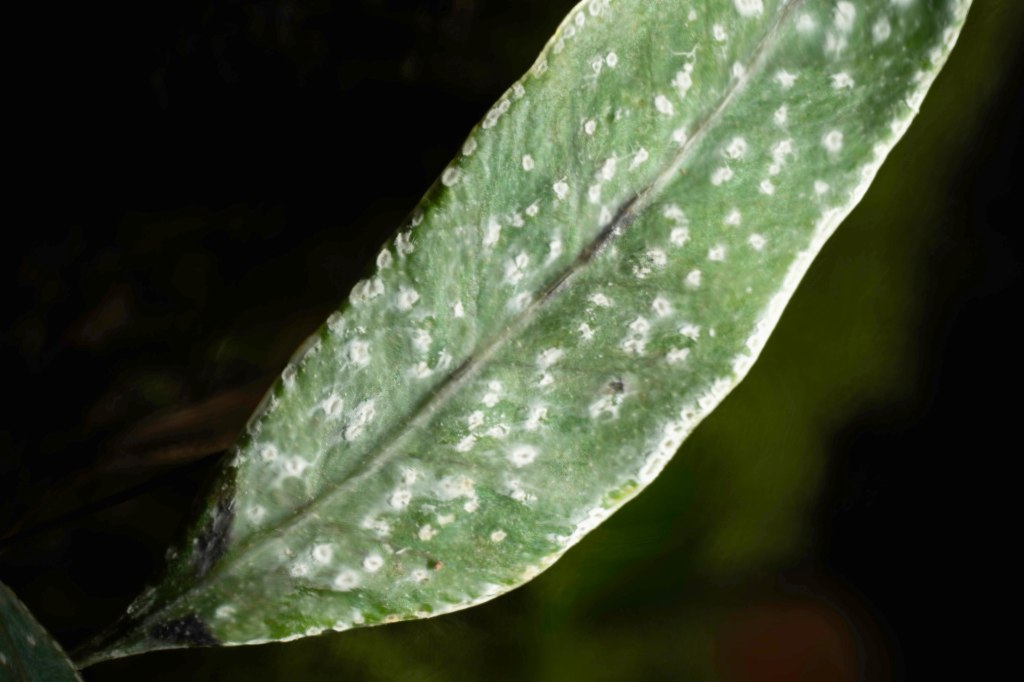
A fern with conspicuous white spots
Read more: A fern with conspicuous white spotsWhy does my fern Selliguea albidosquamata show a large number of white dots on the margins and upper side of the leaf blades? Some research revealed a likely explanation.
-
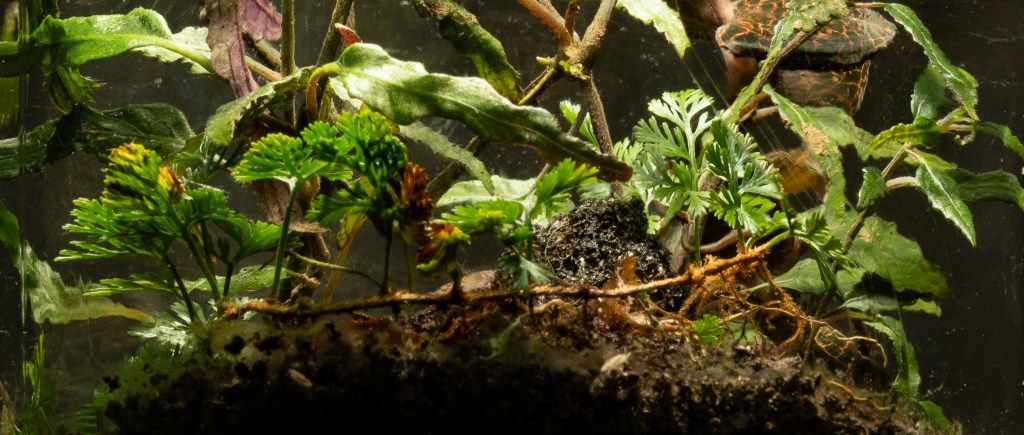
The perfect fern
Read more: The perfect fernThis creeping fern, most likely Davallia parvula, meets all the criteria for a perfect hermetosphere plant: small size, slow growth, robustness and delicate beauty.
-

“Climbing stag’s tongue with scaly stems”
Read more: “Climbing stag’s tongue with scaly stems”This fern is not only visually very appealing, it also has other characteristics that make it an ideal plant for hermetospheres: small size, slow growth and a preference for a permanently warm and humid environment. The fact that it is widespread throughout tropical America indicates that it does not make any exceptional demands in order…
-
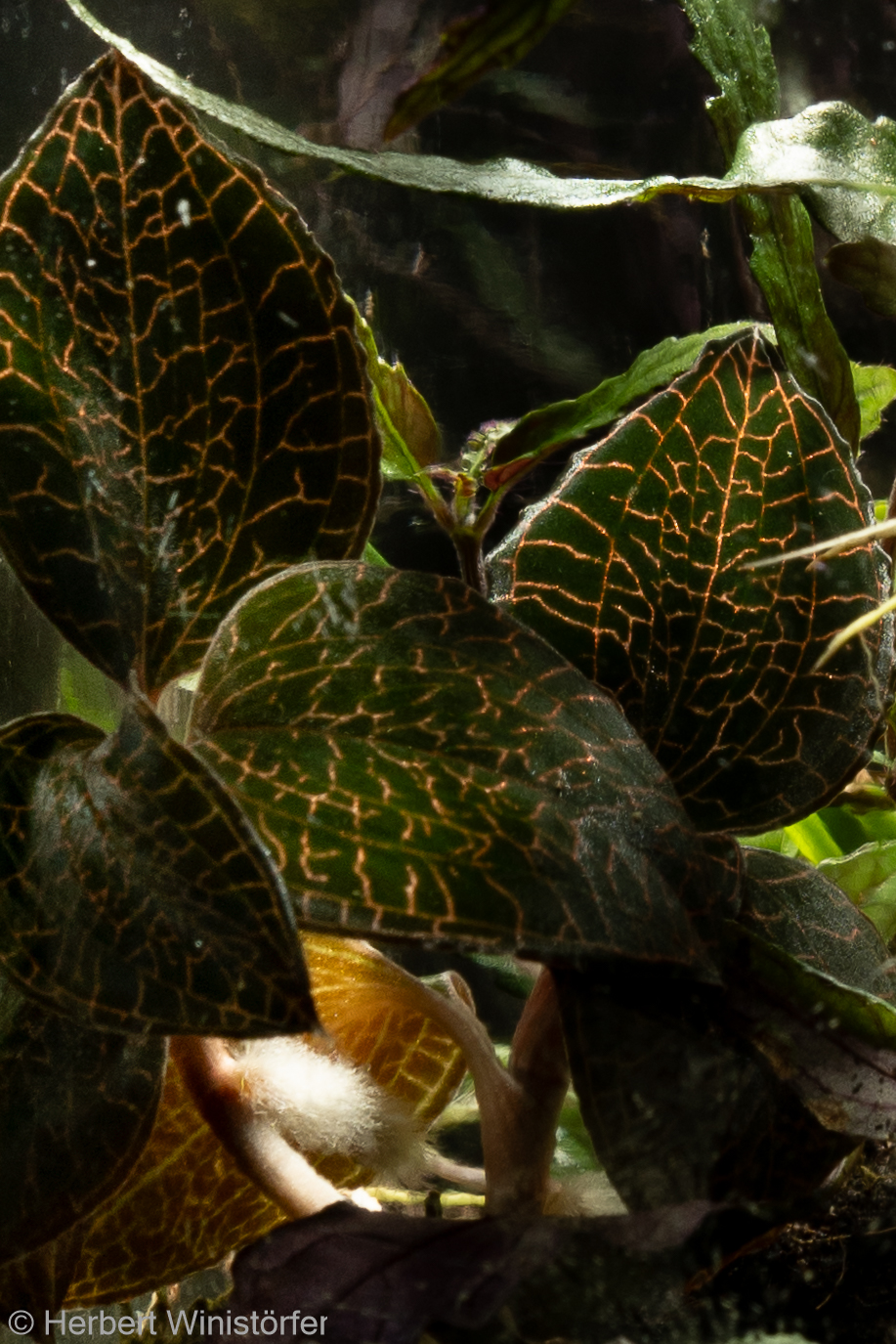
Jewels of the closed terrarium?
Read more: Jewels of the closed terrarium?Since the times of the ‘plant hunters’ of the colonial era, orchids have held a special fascination for plant lovers. Only a small proportion of tropical orchids live with roots anchored in the soil (terrestrial), far more live as epiphytes on other plants. They obtain moisture and nutrients from the precipitation water that runs down…
-

Efficient light capture with downsized leaves?
Read more: Efficient light capture with downsized leaves?The unequal growth of two leaves in a pair from a single branch node is called anisophylly. It occurs in several, non related groups of Angiosperms that have opposite leaves, like Gesneriaceae, Melastomataceae, Rubiaceae and Urticaceae and is therefore assumed to have evolved independently several times. But what is the competitive advantage of this trait…
-
Subscribe
Subscribed
Already have a WordPress.com account? Log in now.
 Hermetospheres