-
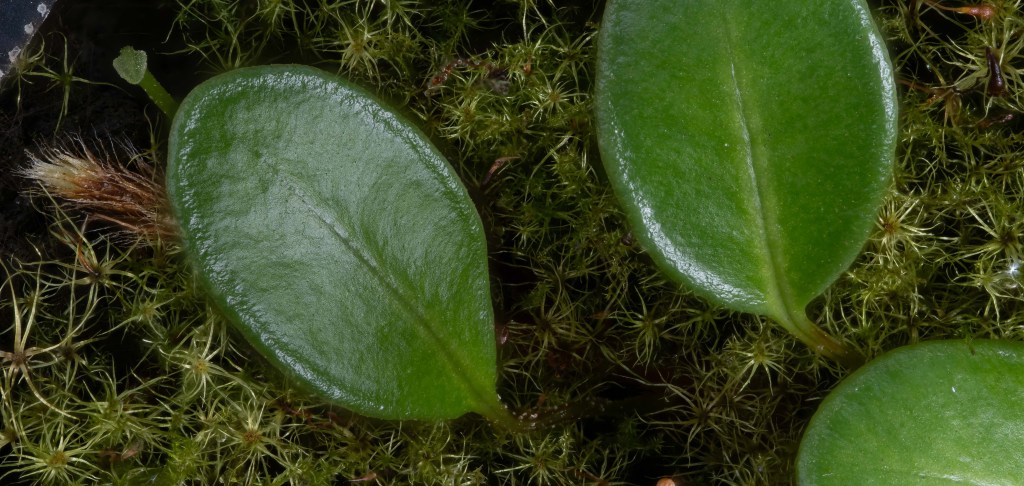
Named after an anagram
Read more: Named after an anagramFind out how the fern Selliguea metacoela is doing in the closed terrarium and how this fern genus got its name.
-
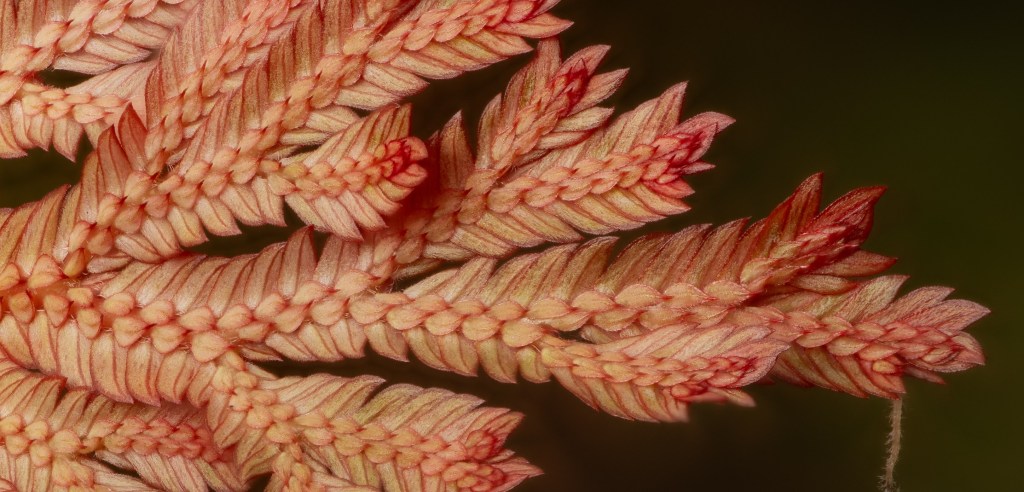
The blue iridescence of the red Selaginella
Read more: The blue iridescence of the red SelaginellaIridescence is the name of shimmering blue metallic colors of certain plants that appear to change as the angle of view changes. You can find out how it is produced in Selaginella erythropus, why it cannot be seen with the bare eye and how unusual this is in the plant kingdom. Before that, it is…
-
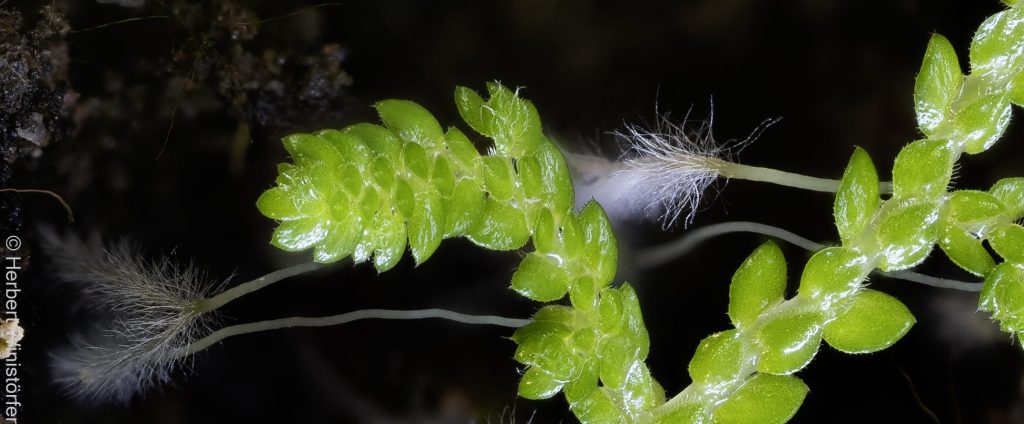
Two great naturalists and a miniature plant
Read more: Two great naturalists and a miniature plantIt is hard to imagine a plant more inconspicuous than Selaginella microphylla: tiny leaves on a uniform, branched shoot, monochromatic green, without flowers. Nevertheless, it was collected in 1801 or 1802 during an expedition through the rough wilderness of the northern Andes, carefully labelled, preserved, transported to the Pacific coast and shipped to Europe together…
-
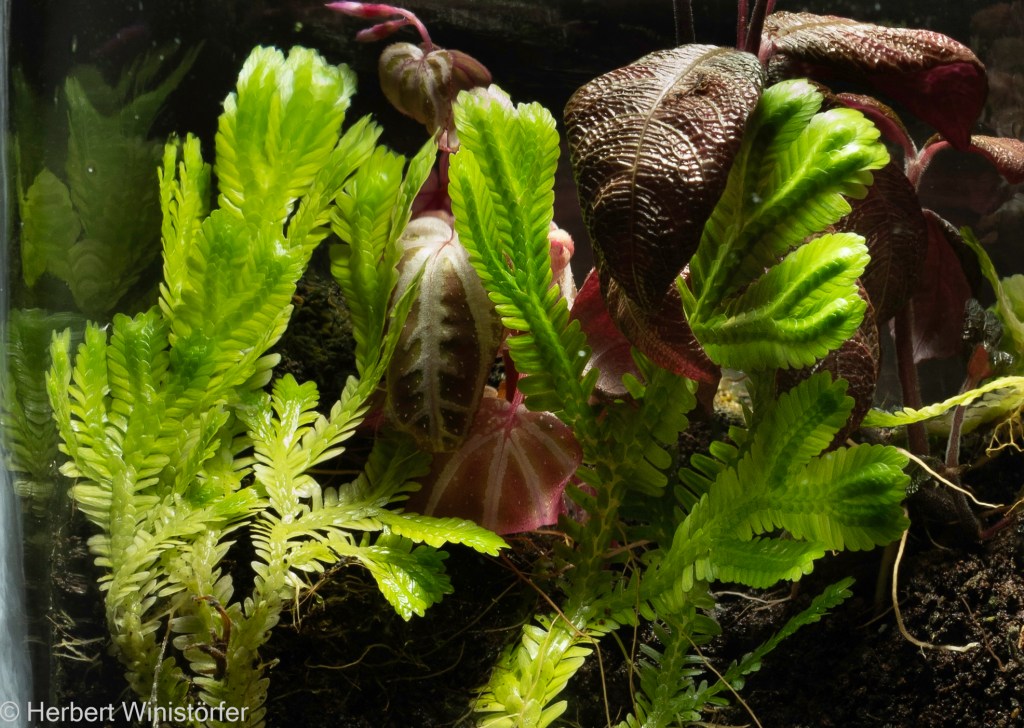
Brooks’ Selaginella: Plant knowledge as a by-product of colonial politics
Read more: Brooks’ Selaginella: Plant knowledge as a by-product of colonial politicsThe history of the discovery and first description of Selaginella brooksii is, as is often the case with tropical plants, also a history of colonial activities by European states. The story of S. brooksii is far from unique, but it is exemplary and therefore worth telling here.
-
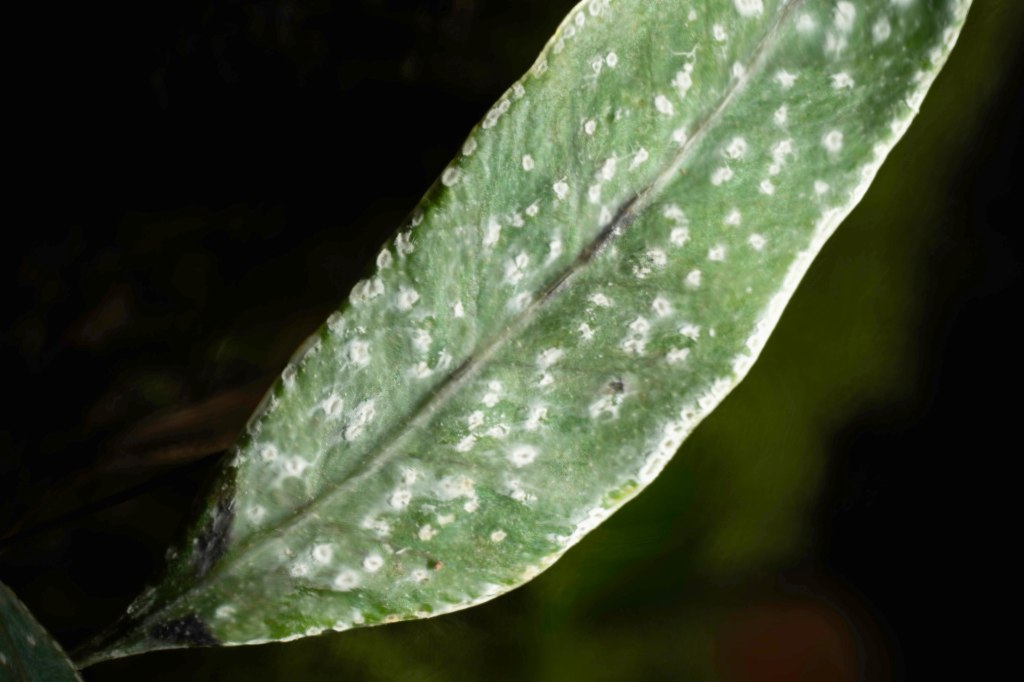
A fern with conspicuous white spots
Read more: A fern with conspicuous white spotsWhy does my fern Selliguea albidosquamata show a large number of white dots on the margins and upper side of the leaf blades? Some research revealed a likely explanation.
-
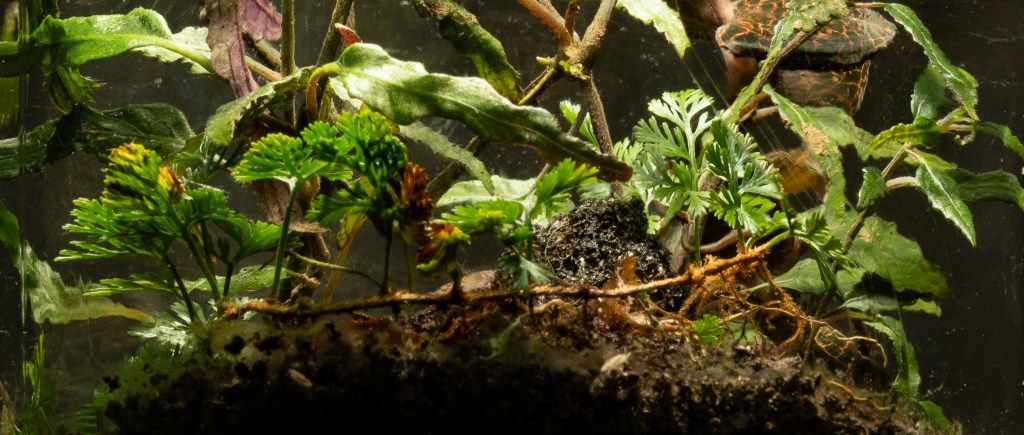
The perfect fern
Read more: The perfect fernThis creeping fern, most likely Davallia parvula, meets all the criteria for a perfect hermetosphere plant: small size, slow growth, robustness and delicate beauty.
-
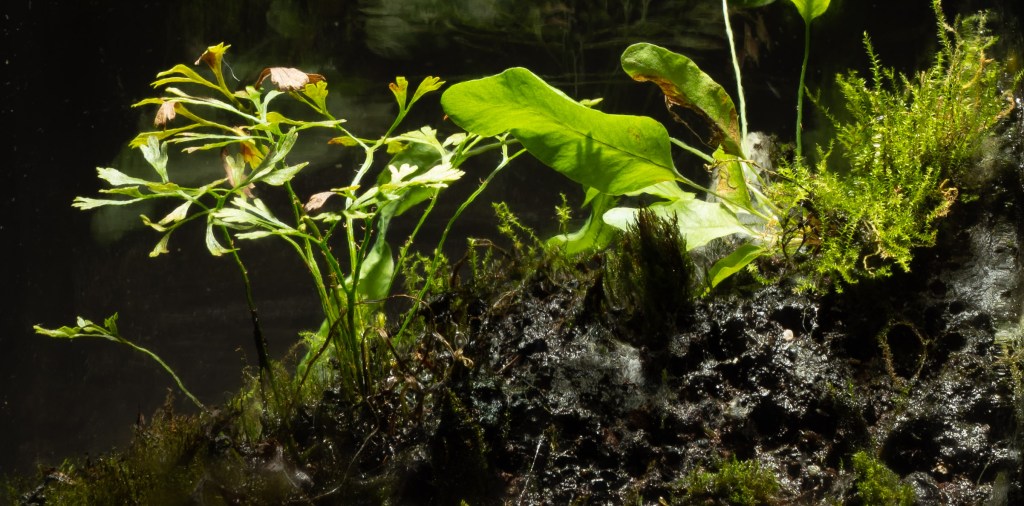
Death and the hitchhiker fern
Read more: Death and the hitchhiker fernSometimes, when things look bad, it pays to simply wait and see if things change for the better. I have already described an experience of this kind (Death and resurrection). There is a similar story to tell today. A 5l container inspired by the flora of Costa Rica was set up on April 2023 with…
-

“Climbing stag’s tongue with scaly stems”
Read more: “Climbing stag’s tongue with scaly stems”This fern is not only visually very appealing, it also has other characteristics that make it an ideal plant for hermetospheres: small size, slow growth and a preference for a permanently warm and humid environment. The fact that it is widespread throughout tropical America indicates that it does not make any exceptional demands in order…
-
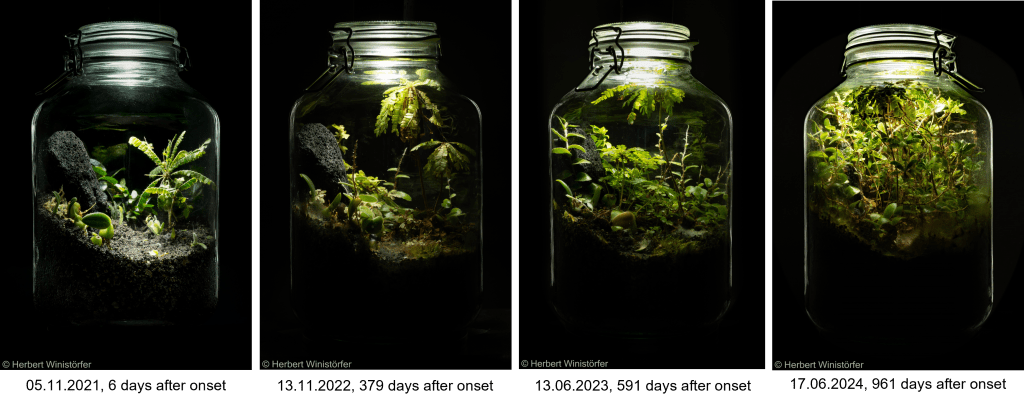
A jungle in the making
Read more: A jungle in the makingOne of the most fascinating aspects of hermetospheres is to see how plant communities develop over years in a confined space – with only minimal intervention. The picture below shows the current state of one of my first containers. How it became what it is today is this story. One of my first containers ever…
-

The dwarf Microgramma
Read more: The dwarf Microgramma“Microgramma C.Presl is a fern genus of approximately 30 species in the family Polypodiaceae, all occurring in the Neotropics except one occurring in Africa. They are rhizome-creeping epiphytes, growing from trunk bases to the canopy, with a few species also able to grow in rocky or terrestrial habitats. They occur preferentially in wet tropical forests…
-
Subscribe
Subscribed
Already have a WordPress.com account? Log in now.
 Hermetospheres