-

Efficient light capture with downsized leaves?
Read more: Efficient light capture with downsized leaves?The unequal growth of two leaves in a pair from a single branch node is called anisophylly. It occurs in several, non related groups of Angiosperms that have opposite leaves, like Gesneriaceae, Melastomataceae, Rubiaceae and Urticaceae and is therefore assumed to have evolved independently several times. But what is the competitive advantage of this trait…
-

The dwarf Microgramma
Read more: The dwarf Microgramma“Microgramma C.Presl is a fern genus of approximately 30 species in the family Polypodiaceae, all occurring in the Neotropics except one occurring in Africa. They are rhizome-creeping epiphytes, growing from trunk bases to the canopy, with a few species also able to grow in rocky or terrestrial habitats. They occur preferentially in wet tropical forests…
-
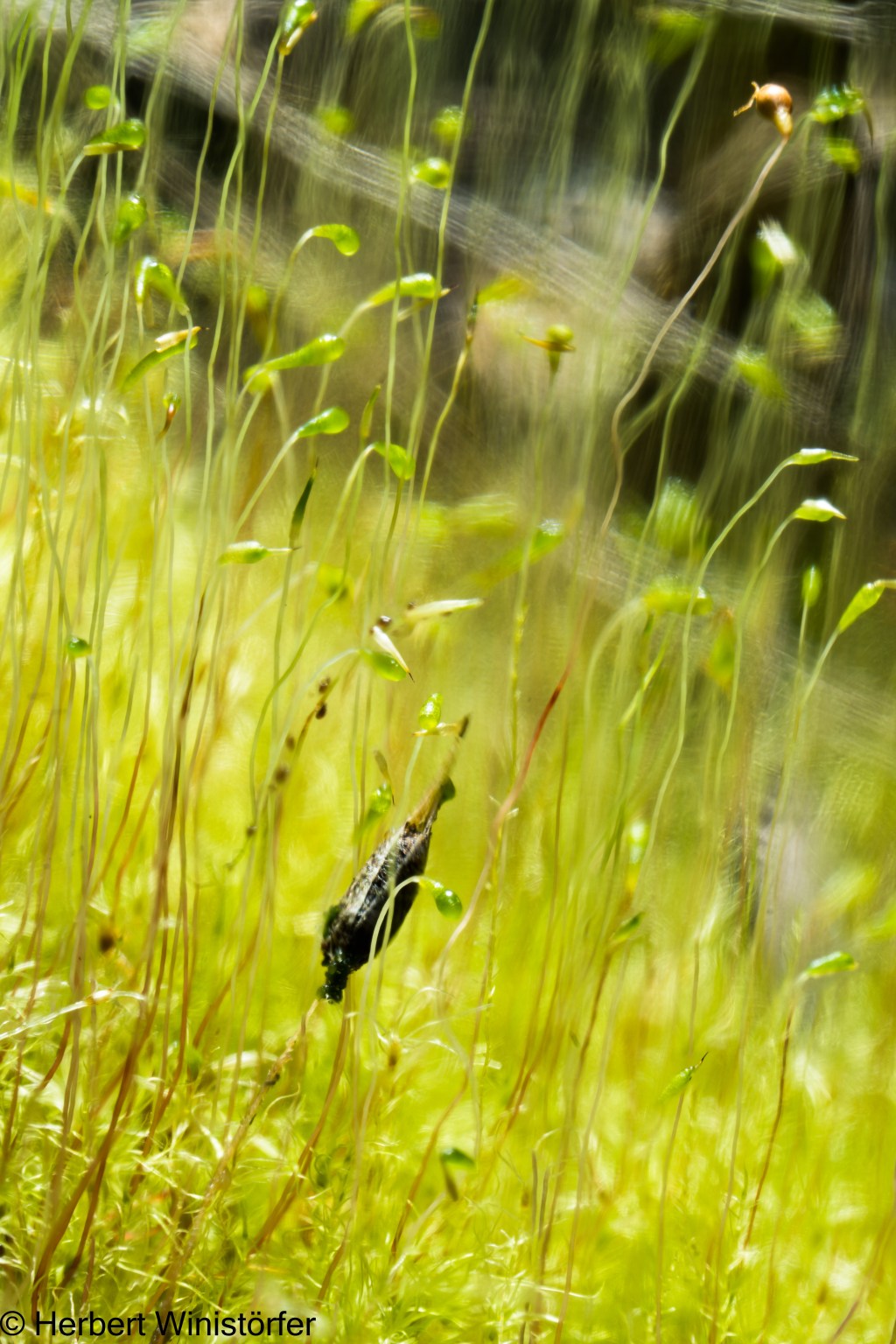
A tiny cosmopolitan
Read more: A tiny cosmopolitanWhen I started with hermetospheres, mosses were not my first priority. They sometimes came as a stowaway with other plants, and I usually let them grow. They did not trouble and formed a welcome ground cover. Moss first caught my attention when spore capsules developed on long, thin stems in my very first hermetosphere jar.…
-

What makes a flower attractive?
Read more: What makes a flower attractive?Tillandsia ionantha has been popular as an ornamental plant since it arrived in the greenhouses of Belgian horticulturist Louis Van Houtte (1810-1876). This is where Jules Émile Planchon (1823-1888) found the specimen he used for his botanical description of the new species (Planchon 1855). As currently circumscribed, T ionantha is widely distributed in Mexico and…
-

The flower destined to stay closed
Read more: The flower destined to stay closedSo far, this jar represents little more than a series of failures. Originally, it was supposed to represent the Mexican Gulf province of Veracruz. There, in the cloud forest of the Sierra Madre Oriental, at an altitude of around 1500m, are the only known locations of Pinguicula emarginata. The species had been recommended to me when…
-
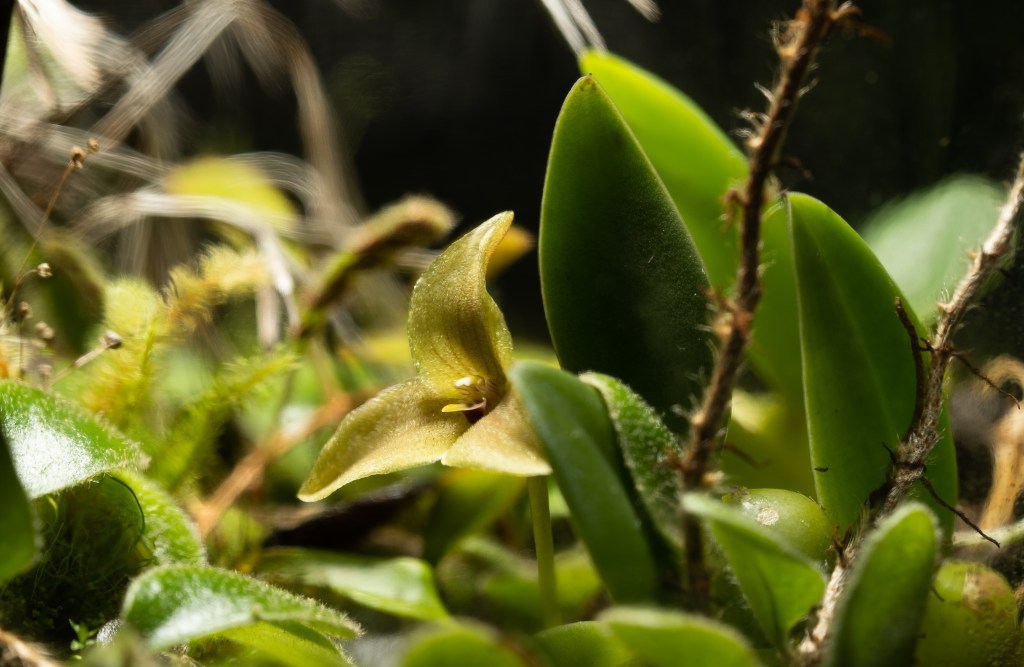
Macro lens for micro plants
Read more: Macro lens for micro plantsPhotography can serve various functions in conjunction with hermetospheres. Some images are created for documentary purposes. They can be used to record developments in the glass container over longer periods of time and to compare different states. Other images have an aesthetic value, and in the best case they succeed in inspiring viewers without a…
-

In the studio
Read more: In the studioI was asked for more detail about the way I take the photographs of my hermetospheres in addition to the basics provided earlier, so here it is. Can permanent light be used as main light instead of a camera flash, and does this make a difference for the result? Make your own judgement: You can…
-
Subscribe
Subscribed
Have a WordPress.com account? Log in now.

