-
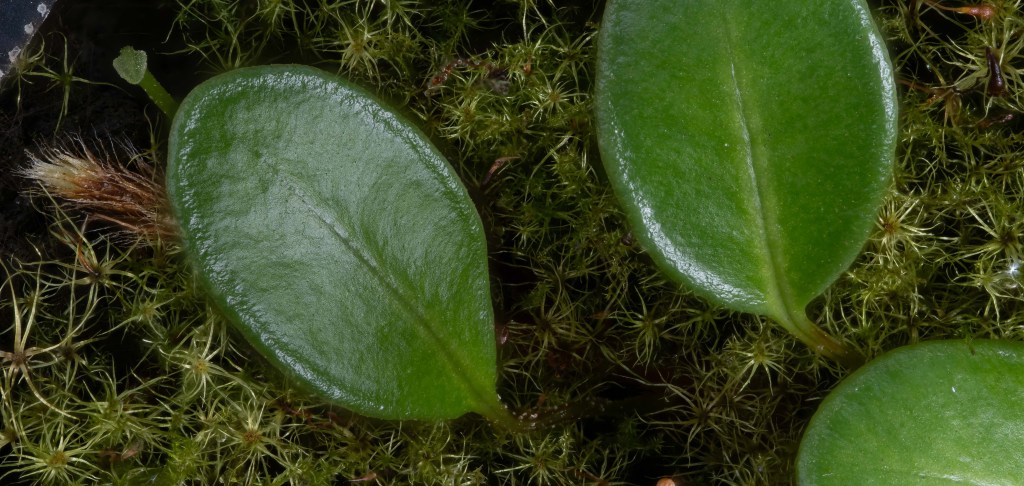
Named after an anagram
Read more: Named after an anagramFind out how the fern Selliguea metacoela is doing in the closed terrarium and how this fern genus got its name.
-
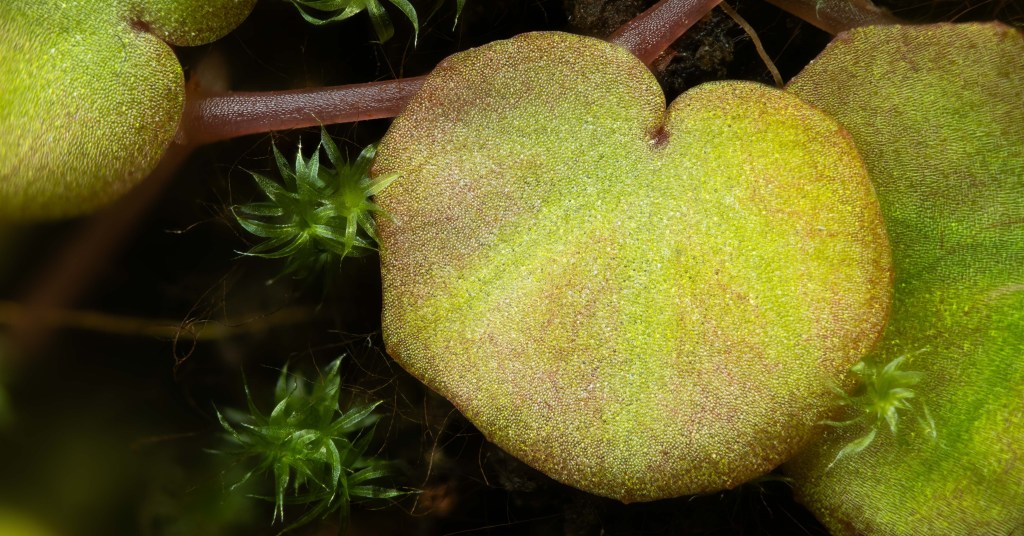
Decline and resurgence
Read more: Decline and resurgenceThis is another story of a plant that has undergone prosperity, decline and resurgence in the hermetosphere. Follow the timeline of an astonishing development of a small, creeping Begonia from Borneo.
-
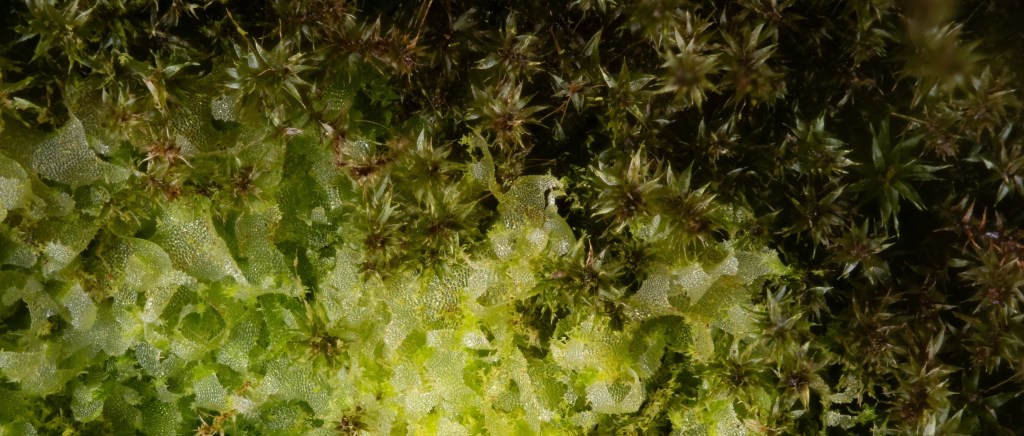
Diving into the world of bryophytes
Read more: Diving into the world of bryophytesMosses and other bryophytes are often overlooked or regarded as decorative add-ons to flowering plants. On a closer look, however, an entire miniature wold can be observed. One of my closed terraria with at least three different bryophytes thriving made me dive deeper into this fascinating group of plants.
-

Vivipary in two Gesneriads
Read more: Vivipary in two GesneriadsIn viviparous plants, the embryo grows sufficiently to emerge visibly from within the seed tissues before dispersal (Farnsworth 2000: 108). The number of plant species for which vivipary belongs to the usual form of reproduction in their natural habitats is relatively small. However, in some plant species where this form of reproduction is unusual, vivipary…
-
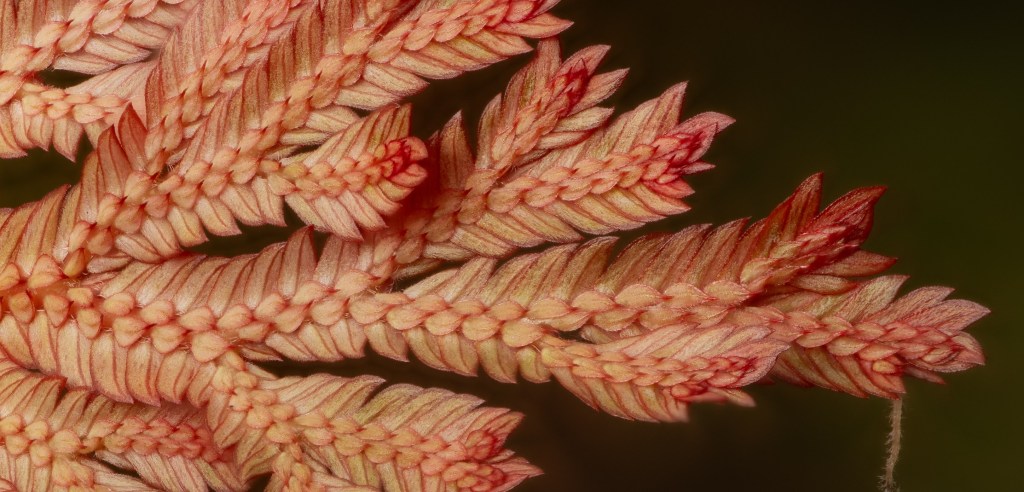
The blue iridescence of the red Selaginella
Read more: The blue iridescence of the red SelaginellaIridescence is the name of shimmering blue metallic colors of certain plants that appear to change as the angle of view changes. You can find out how it is produced in Selaginella erythropus, why it cannot be seen with the bare eye and how unusual this is in the plant kingdom. Before that, it is…
-
Tuberous miniature Sinningias
Read more: Tuberous miniature SinningiasMini sinningias are popular terrarium plants. With their geophytic life cycle, are they also suitable for the hermetosphere with its steady conditions? Information on the natural habitat, experiences from growers and an experiment should provide some insight.
-

An under-researched plant family
Read more: An under-researched plant familyUsually, when I place a new plant in a new hermetosphere, I want to know its identification down to species level. I have several reasons for this. In most cases, identifying the species is a prerequisite for obtaining information about its natural habitat. This information is helpful to assess whether or not a plant is…
-

The Hoya from Kanyakumari
Read more: The Hoya from KanyakumariWax plants (genus Hoya) are popular houseplants. At least this species from southern India also thrives in the hermetosphere. This is the impression I got from my journey with H. kanyakumariana during the first year.
-

The olive-coloured begonia
Read more: The olive-coloured begoniaFirst collected presumably in 1979 and scientifically described 10 years ago, Begonia olivacea is established in the terrarium plant trade by now, both as potted plants or seed. According to the recommendations for cultivation given by the nurseries, the hermetosphere is bound to provide the perfect conditions for the plant. It is described as lithophytic…
-

Succeeding generations (3): Ludisia discolor
Read more: Succeeding generations (3): Ludisia discolorIf hermetospheres are supposed to last over years, it is advantageous to work with plants that are able to produce offspring under the particular restrictions given (a.o. limited space, unlikely pollination). The terrestrial orchid Ludisia discolor has its own way of ensuring offspring in the absence of pollinators. The key to this type of vegetative propagation…
-
Subscribe
Subscribed
Already have a WordPress.com account? Log in now.
 Hermetospheres