-

Vivipary in two Gesneriads
Read more: Vivipary in two GesneriadsIn viviparous plants, the embryo grows sufficiently to emerge visibly from within the seed tissues before dispersal (Farnsworth 2000: 108). The number of plant species for which vivipary belongs to the usual form of reproduction in their natural habitats is relatively small. However, in some plant species where this form of reproduction is unusual, vivipary…
-
Tuberous miniature Sinningias
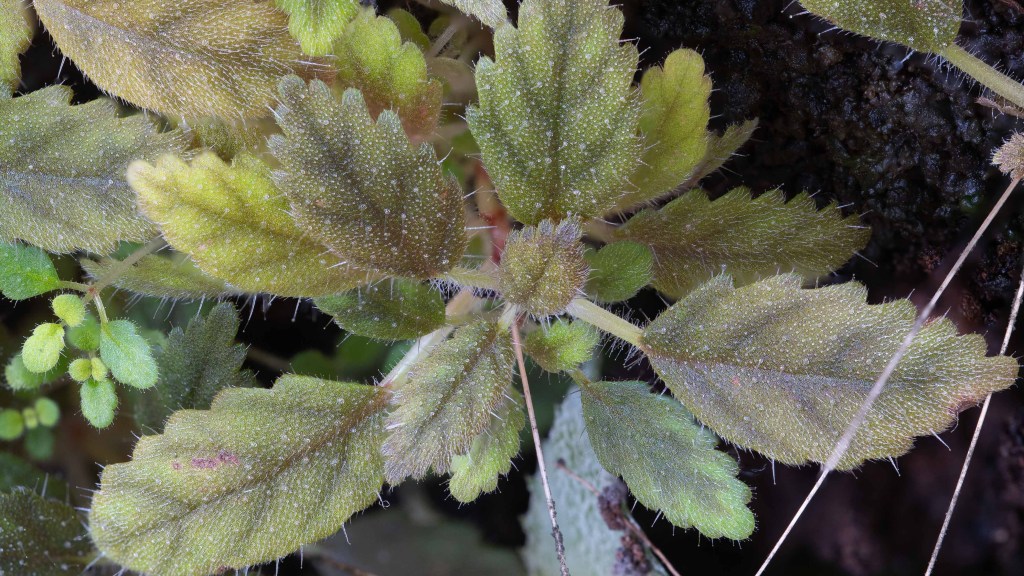
Read more: Tuberous miniature SinningiasMini sinningias are popular terrarium plants. With their geophytic life cycle, are they also suitable for the hermetosphere with its steady conditions? Information on the natural habitat, experiences from growers and an experiment should provide some insight.
-

An island Gesneria and Baker’s law
Read more: An island Gesneria and Baker’s lawAutonomous self-fertilisation, i.e. the ability to produce viable seeds in the absence of partners and pollinators, offers plants various advantages. In nature it can help to colonize distant islands, in the hermetosphere it can help to survive over several generations. The example of Gesneria cuneifolia is discussed.
-
Follow-up: Gesneria cuneifolia
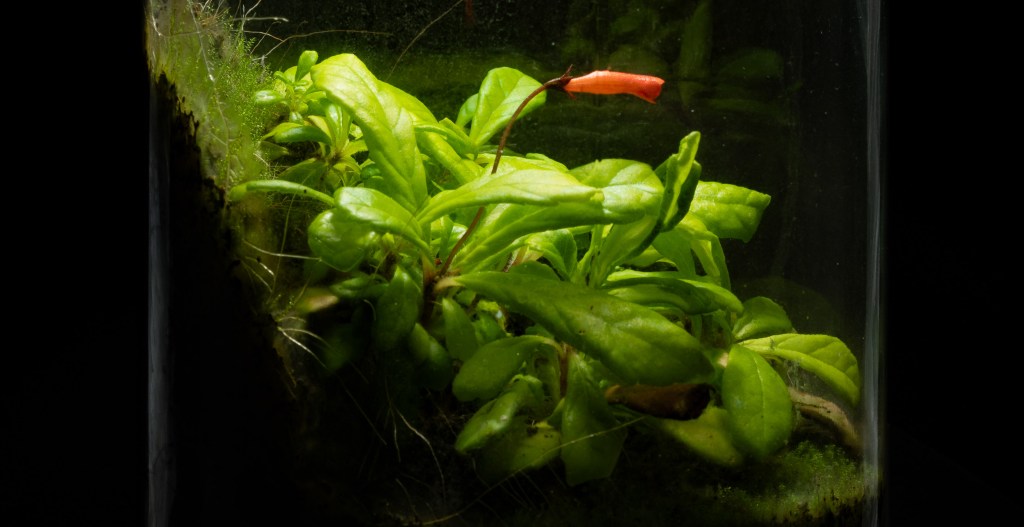
Read more: Follow-up: Gesneria cuneifoliaAlmost six months ago, I reported first experiences with seed-grown Gesneria cuneifolia. Now, with first flowers appearing, it is time for a follow-up.
-

Acclimation (5): Gesneria cuneifolia
Read more: Acclimation (5): Gesneria cuneifoliaGesneriads (Gesneriaceae), a family of plants named in honour of the Zurich Renaissance naturalist Conrad Gessner (1516-1565), have been very popular as ornamental plants for a long time. Main aspects of the cultivation are covered by The Gesneriad Society. Although most gesneriads are perennial herbs or shrubs native to topical or subtropical regions, some species…
-
Subscribe
Subscribed
Already have a WordPress.com account? Log in now.
 Hermetospheres