-
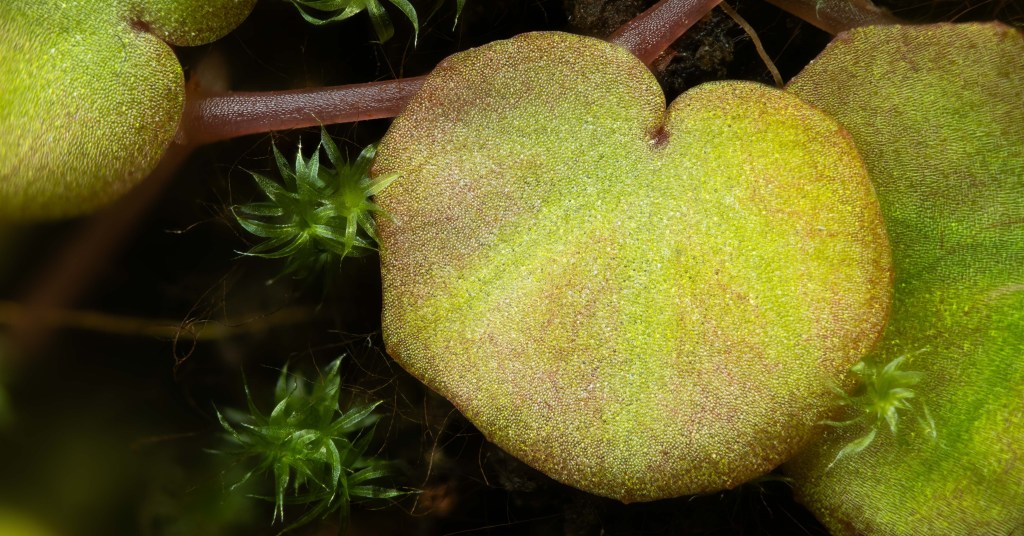
Decline and resurgence
Read more: Decline and resurgenceThis is another story of a plant that has undergone prosperity, decline and resurgence in the hermetosphere. Follow the timeline of an astonishing development of a small, creeping Begonia from Borneo.
-

The olive-coloured begonia
Read more: The olive-coloured begoniaFirst collected presumably in 1979 and scientifically described 10 years ago, Begonia olivacea is established in the terrarium plant trade by now, both as potted plants or seed. According to the recommendations for cultivation given by the nurseries, the hermetosphere is bound to provide the perfect conditions for the plant. It is described as lithophytic…
-
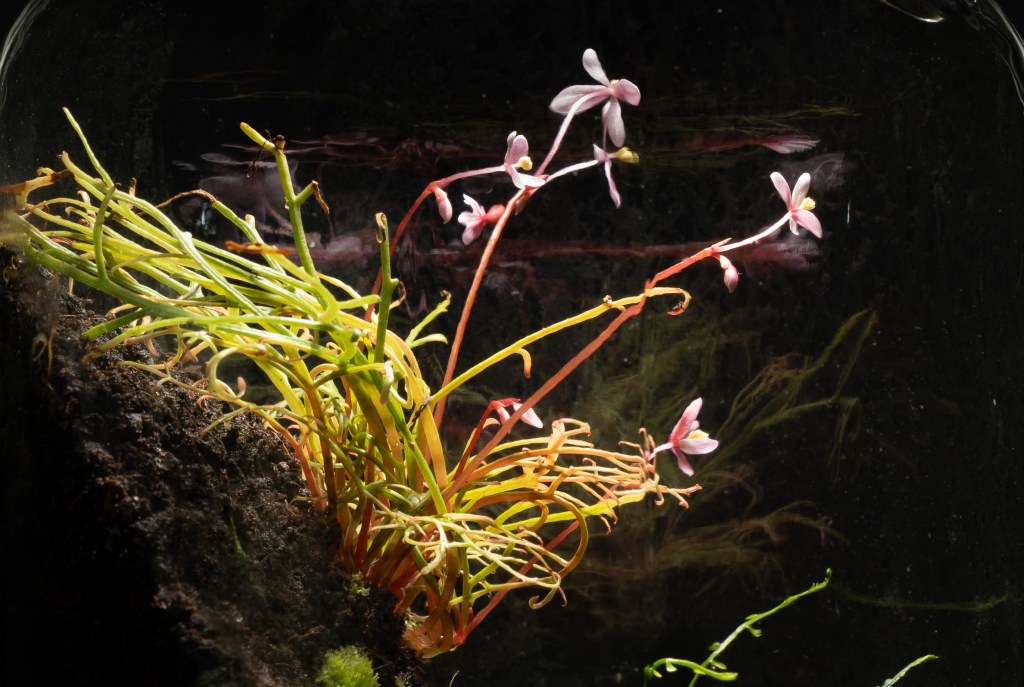
Succeeding generations (2): Begonia pteridoides
Read more: Succeeding generations (2): Begonia pteridoidesWhen plants produce second and third generations is one of my best rewards when working with hermetospheres. Plants have several ways to do this, e.g. seeds or runners, and not always it is quite clear when a next generation actually begins. In the case of Begonia pteridoides shown here, the situation should be unambiguous.
-
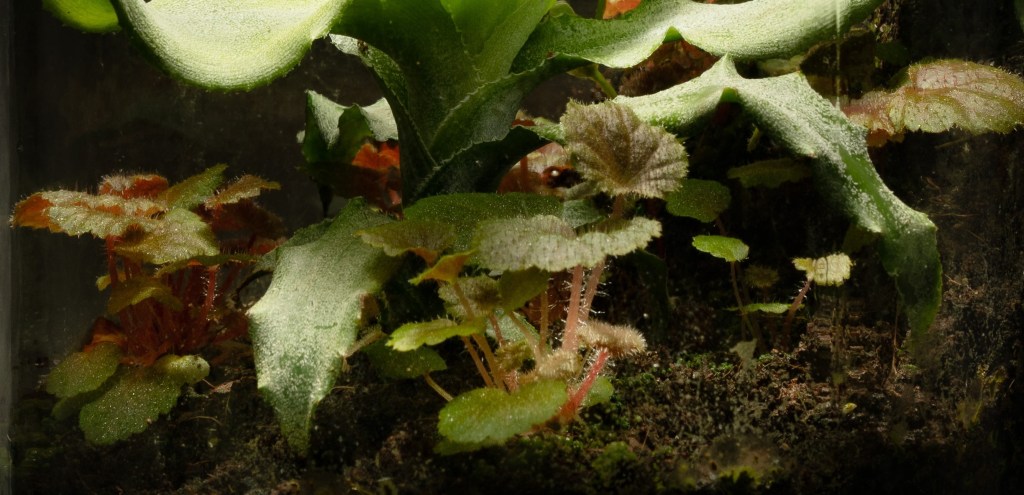
Hoehne’s Begonia
Read more: Hoehne’s BegoniaFor some tropical plants that have a reputation for being difficult to grow in culture, the hermetosphere is just what it needs. This seems to be the case for this small Begonia from São Paulo province in Brazil. According to one of the most experienced Begonia growers today, B. hoehneana is “a species that is…
-
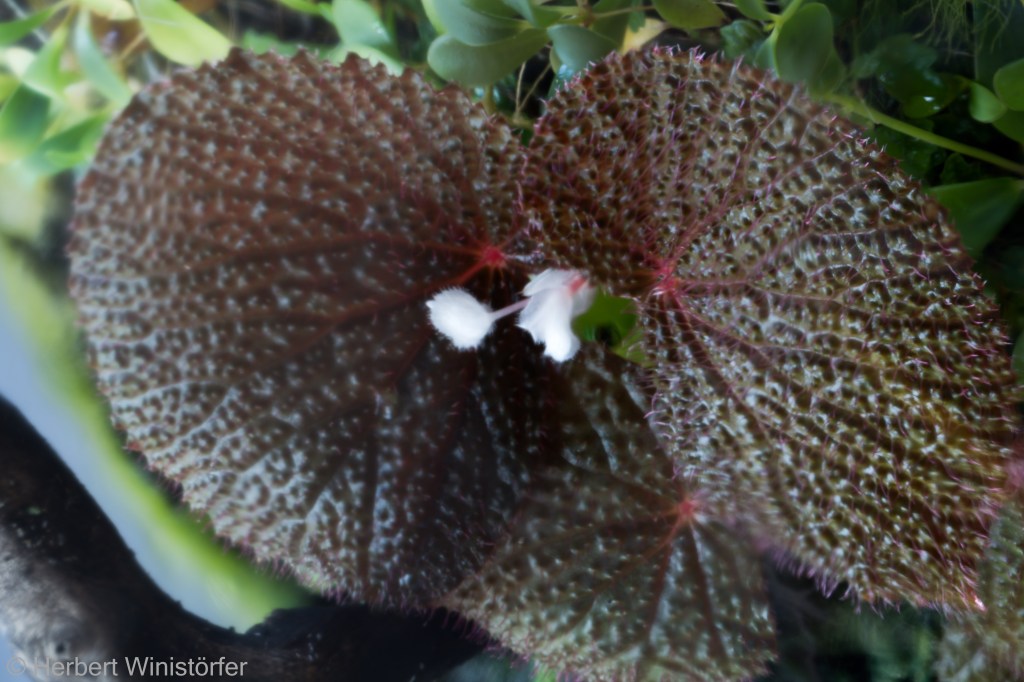
The ‘good’ Begonia
Read more: The ‘good’ BegoniaIt is only ten years since this plant was given a scientific name. Nevertheless, it is already popular with plant lovers, especially for its rosette of maroon to dark malachite-green bubbled leaves covered with magenta hairs and its bright white flowers. The special appearance of the plant was one of the reasons why the authors…
-
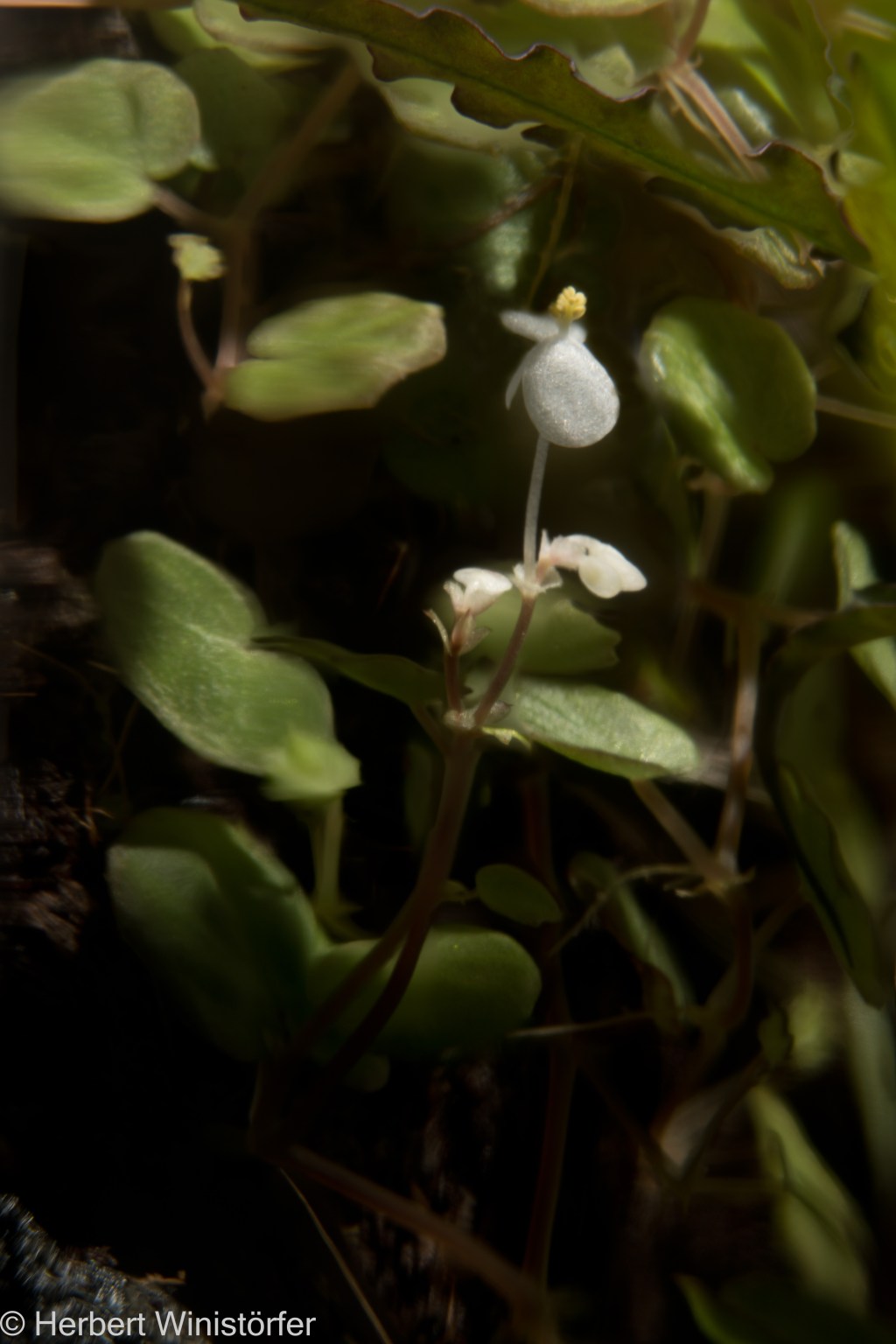
Avoid reflections
Read more: Avoid reflectionsMy standard method to take pictures is, both for containers as a whole and for details within: Place the light source, a camera flash light with remote control, directly on the lid of the container. This prevents the light source from being reflected on the surface of the glass and thus affecting the image. Today,…
-

A precious, lichen-like Begonia
Read more: A precious, lichen-like BegoniaIn 2017, Lin and colleagues described Begonia lichenora as a species new to science. The species is “Distributed in Sarawak, Borneo; known only from Bau to Padawan areas that are at border with West Kalimantan Province of Indonesia. Plants usually climb up the steep, slightly shaded soil slopes in wet dipterocarp forest, elevation ca. 100…
-
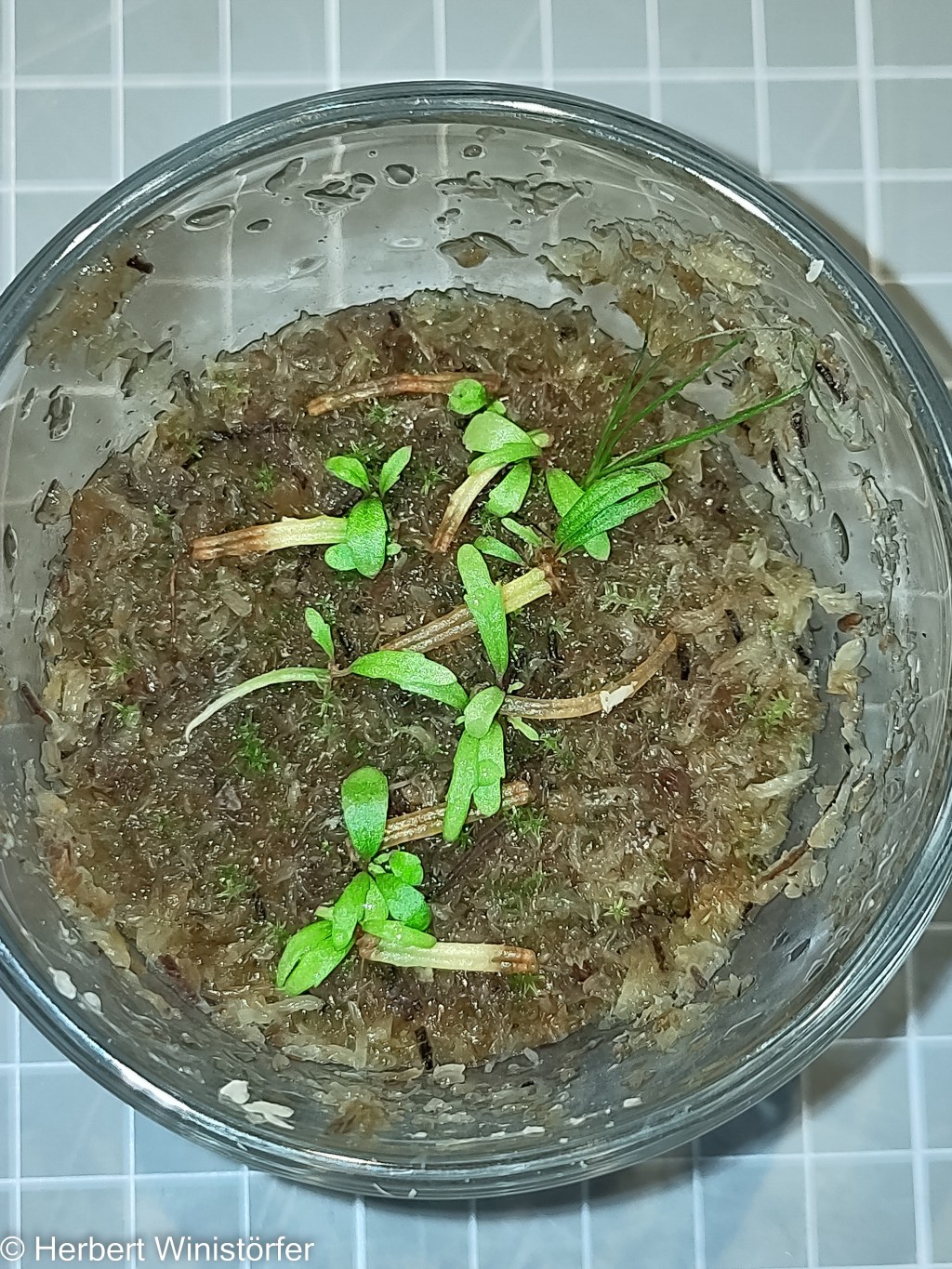
A most exceptional Begonia
Read more: A most exceptional BegoniaBegonia is not only among the most diverse genera in nature (about 1’550 described species), but also among the most intensively cultivated ornamental plants in the world (over 10’000 cultivars). Begonias are known from Africa (160 species), the Americas and Asia (more than 600 species each), but not from Australia. Attempts have been made to…
-
Subscribe
Subscribed
Already have a WordPress.com account? Log in now.
 Hermetospheres