-
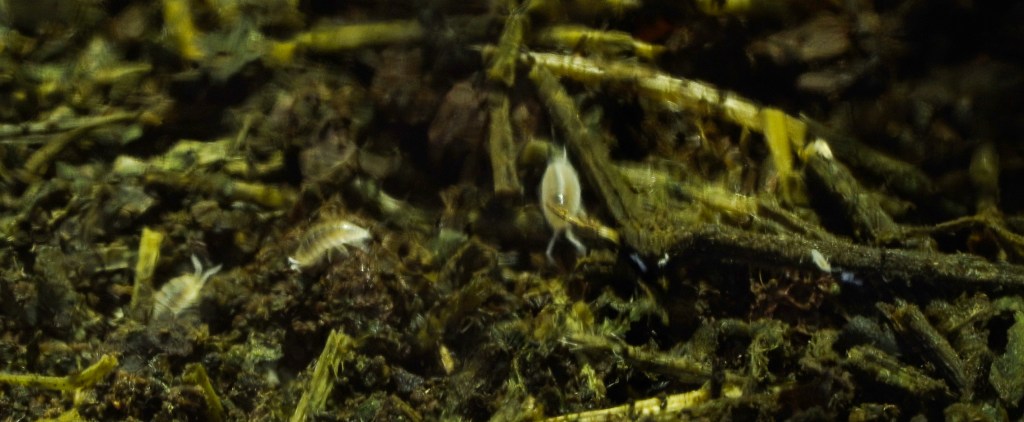
Nutrient recycling
Read more: Nutrient recyclingIn a previous post, I explained why I minimize the nutrient content in my hermetospheres and how I calculate how many nutrients I add to my substrate to start with. Even though nutrients are meant to be scarce, it can happen that a plant grows too tall or too wide for the container. The reasons…
-
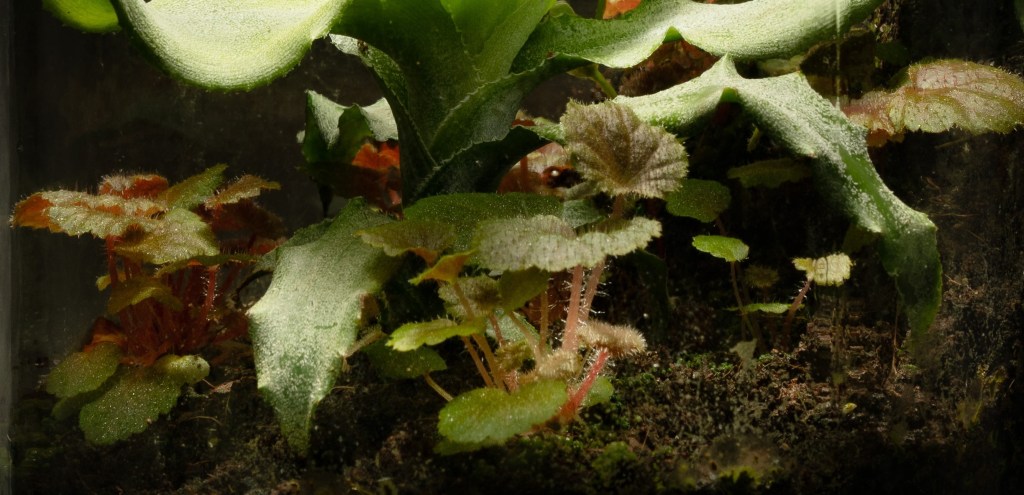
Hoehne’s Begonia
Read more: Hoehne’s BegoniaFor some tropical plants that have a reputation for being difficult to grow in culture, the hermetosphere is just what it needs. This seems to be the case for this small Begonia from São Paulo province in Brazil. According to one of the most experienced Begonia growers today, B. hoehneana is “a species that is…
-
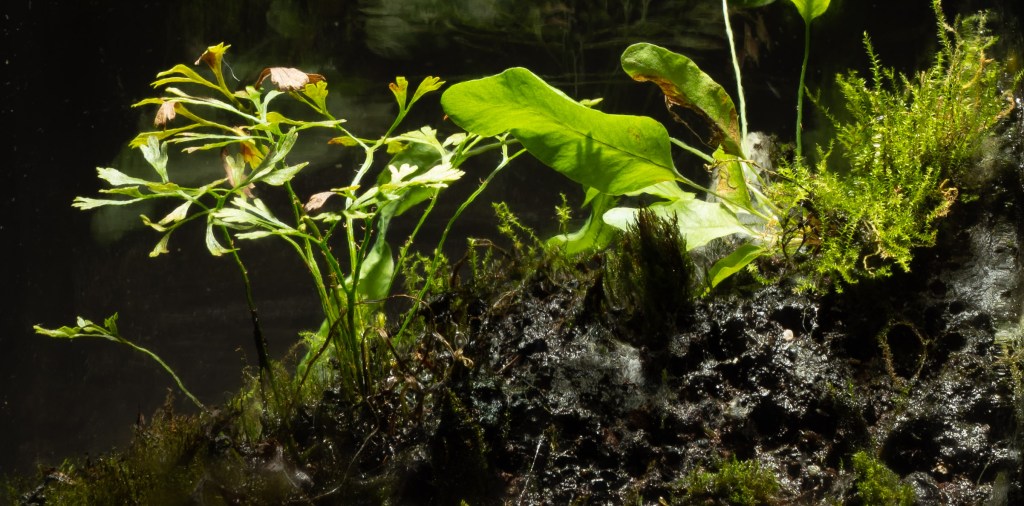
Death and the hitchhiker fern
Read more: Death and the hitchhiker fernSometimes, when things look bad, it pays to simply wait and see if things change for the better. I have already described an experience of this kind (Death and resurrection). There is a similar story to tell today. A 5l container inspired by the flora of Costa Rica was set up on April 2023 with…
-

Acclimation (5): Gesneria cuneifolia
Read more: Acclimation (5): Gesneria cuneifoliaGesneriads (Gesneriaceae), a family of plants named in honour of the Zurich Renaissance naturalist Conrad Gessner (1516-1565), have been very popular as ornamental plants for a long time. Main aspects of the cultivation are covered by The Gesneriad Society. Although most gesneriads are perennial herbs or shrubs native to topical or subtropical regions, some species…
-
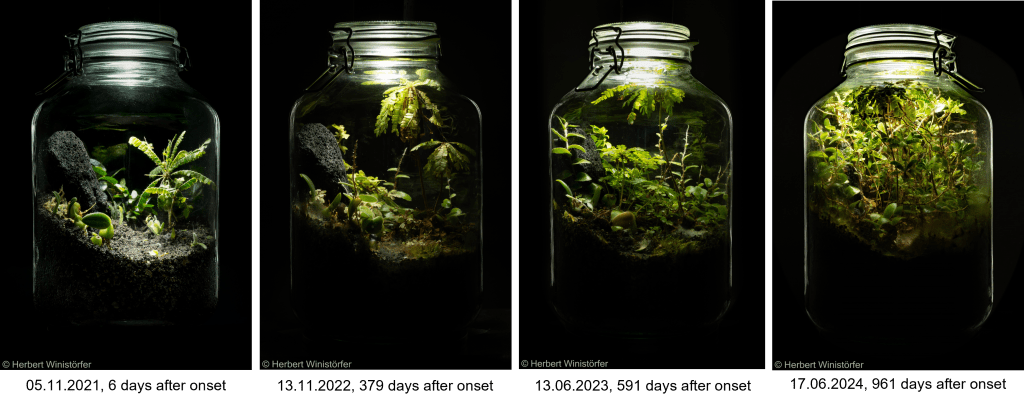
A jungle in the making
Read more: A jungle in the makingOne of the most fascinating aspects of hermetospheres is to see how plant communities develop over years in a confined space – with only minimal intervention. The picture below shows the current state of one of my first containers. How it became what it is today is this story. One of my first containers ever…
-

The substrate
Read more: The substrateWhen it comes to the growing medium, every plant enthusiast has his or her favourite product or recipe. So do I, and here is mine. To find my standard recipe, I read a lot, gave it a lot of thought, made an initial choice and started a trial, assessed the result, made small changes, started…
-
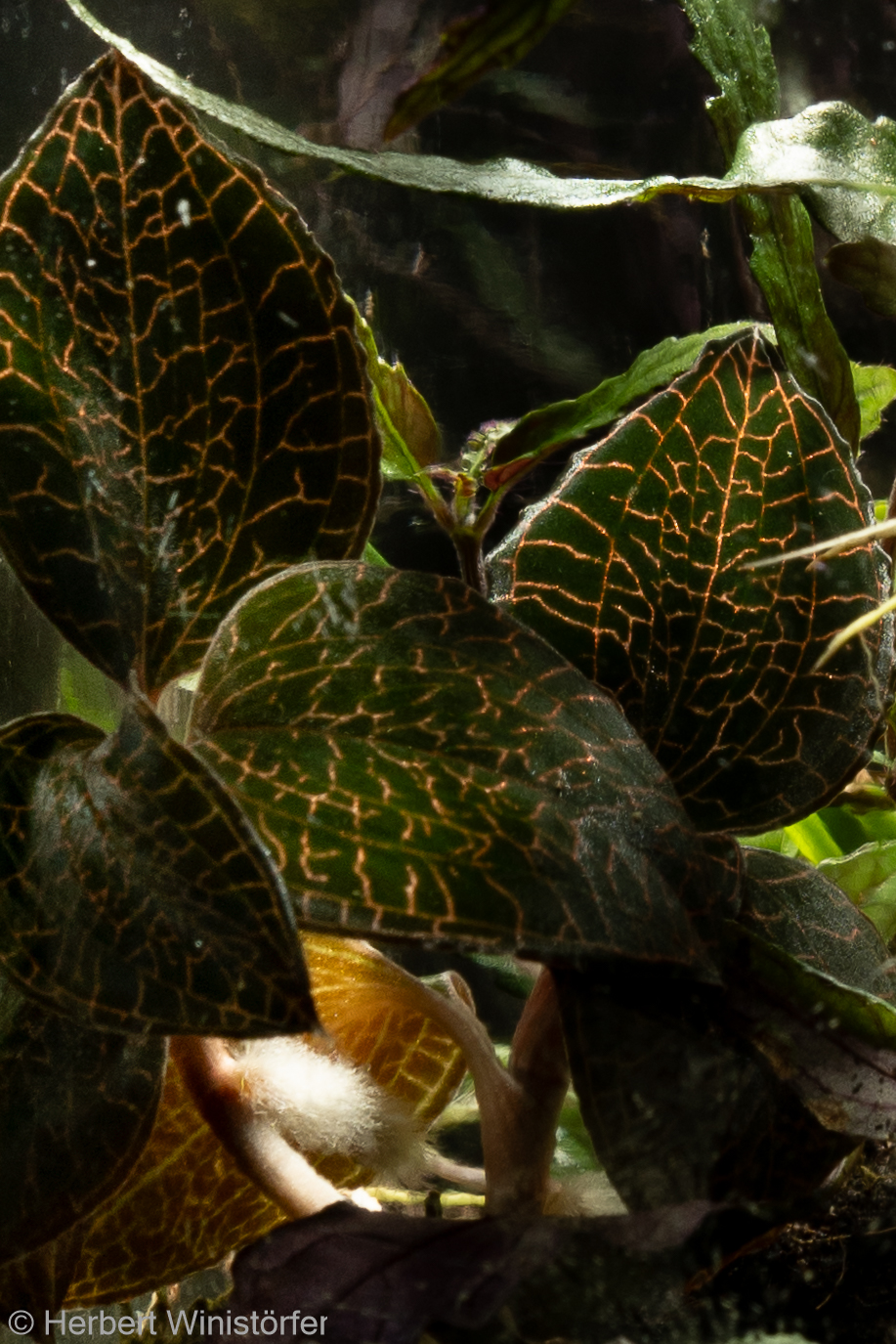
Jewels of the closed terrarium?
Read more: Jewels of the closed terrarium?Since the times of the ‘plant hunters’ of the colonial era, orchids have held a special fascination for plant lovers. Only a small proportion of tropical orchids live with roots anchored in the soil (terrestrial), far more live as epiphytes on other plants. They obtain moisture and nutrients from the precipitation water that runs down…
-

Insights from inside data
Read more: Insights from inside dataTwo previous posts on water and light conditions in my hermetospheres contain some speculations about the conditions inside the glasses, as I did not have the respective measurements at that time. However, sensor technology has advanced to such an extent that small, easy-to-use and sufficiently reliable sensors are now available and affordable. Inspired by PumpkinBeth,…
-

Acclimation (3): Peperomia sp.
Read more: Acclimation (3): Peperomia sp.Why does a plant begin to produce miniature leaves after a change in environmental conditions? This is the provisional story of a Peperomia sp. in one of my hermetospheres. The genus Peperomia is one of the largest genera of basal angiosperms, comprising about 1500–1700 species distributed across all (sub-)tropical regions of the world. The greatest…
-

Acclimation (2): Strobilanthes reptans
Read more: Acclimation (2): Strobilanthes reptansWhy does a plant begin to produce oversized leaves as soon as it is placed in a hermetosphere? Let us start the story at the beginning: I recently started a hermetosphere to represent New Guinea. Begonia bipinnatifida with its wonderful, reddish, bipinnate leaves should be the main actor and Strobilanthes reptans as well as Davallia…
-
Subscribe
Subscribed
Already have a WordPress.com account? Log in now.
 Hermetospheres