-

The dwarf Microgramma
Read more: The dwarf Microgramma“Microgramma C.Presl is a fern genus of approximately 30 species in the family Polypodiaceae, all occurring in the Neotropics except one occurring in Africa. They are rhizome-creeping epiphytes, growing from trunk bases to the canopy, with a few species also able to grow in rocky or terrestrial habitats. They occur preferentially in wet tropical forests…
-
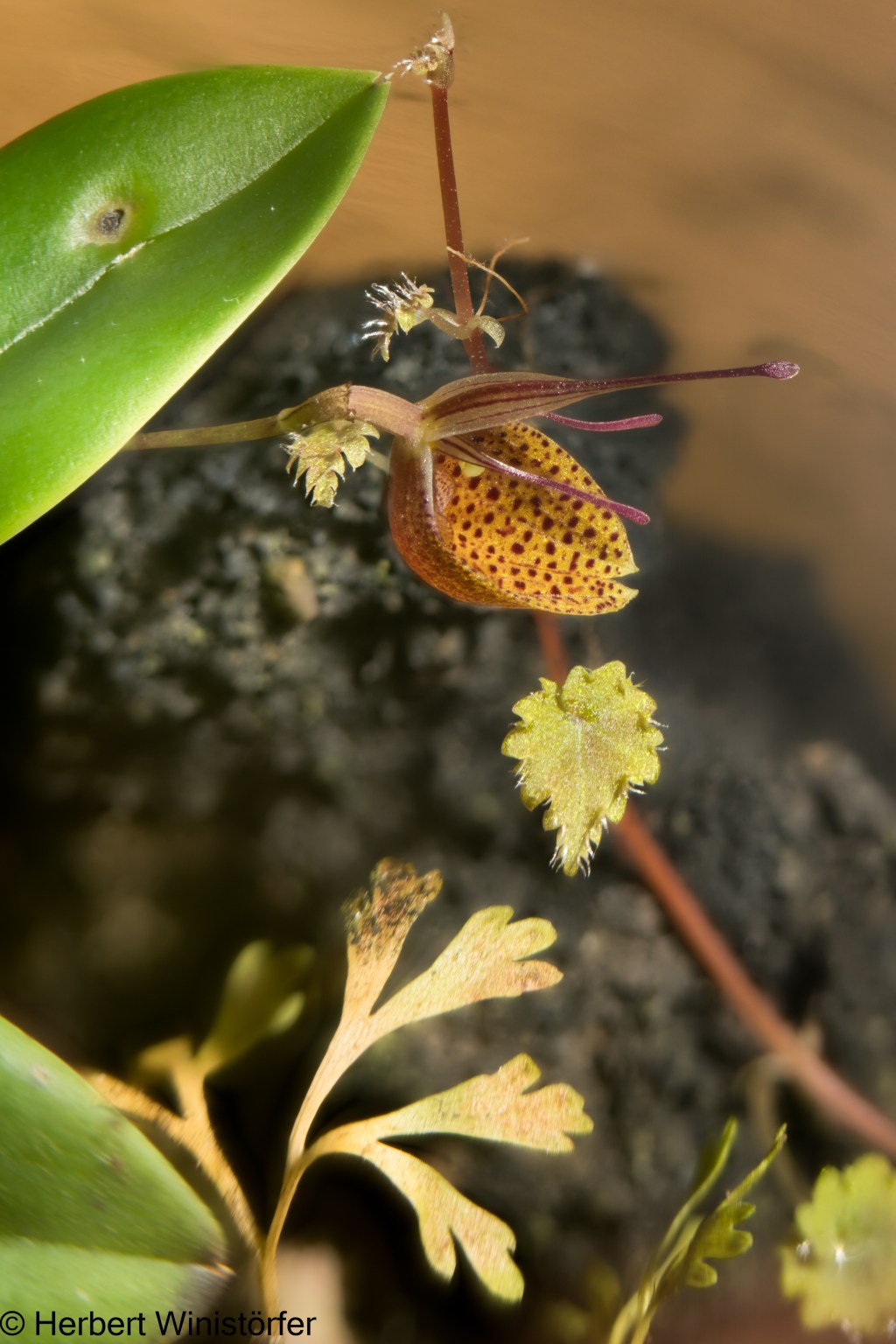
Avoid blurring
Read more: Avoid blurringHermetospheres can have a high aesthetic value. If that is part of the motivation behind them, one is tempted to capture the beauty photographically. However, objects behind glass are difficult to photograph. Depending on the optical quality of the glass from which the container is made, the object will appear more or less blurred. My…
-

Acclimation (3): Peperomia sp.
Read more: Acclimation (3): Peperomia sp.Why does a plant begin to produce miniature leaves after a change in environmental conditions? This is the provisional story of a Peperomia sp. in one of my hermetospheres. The genus Peperomia is one of the largest genera of basal angiosperms, comprising about 1500–1700 species distributed across all (sub-)tropical regions of the world. The greatest…
-
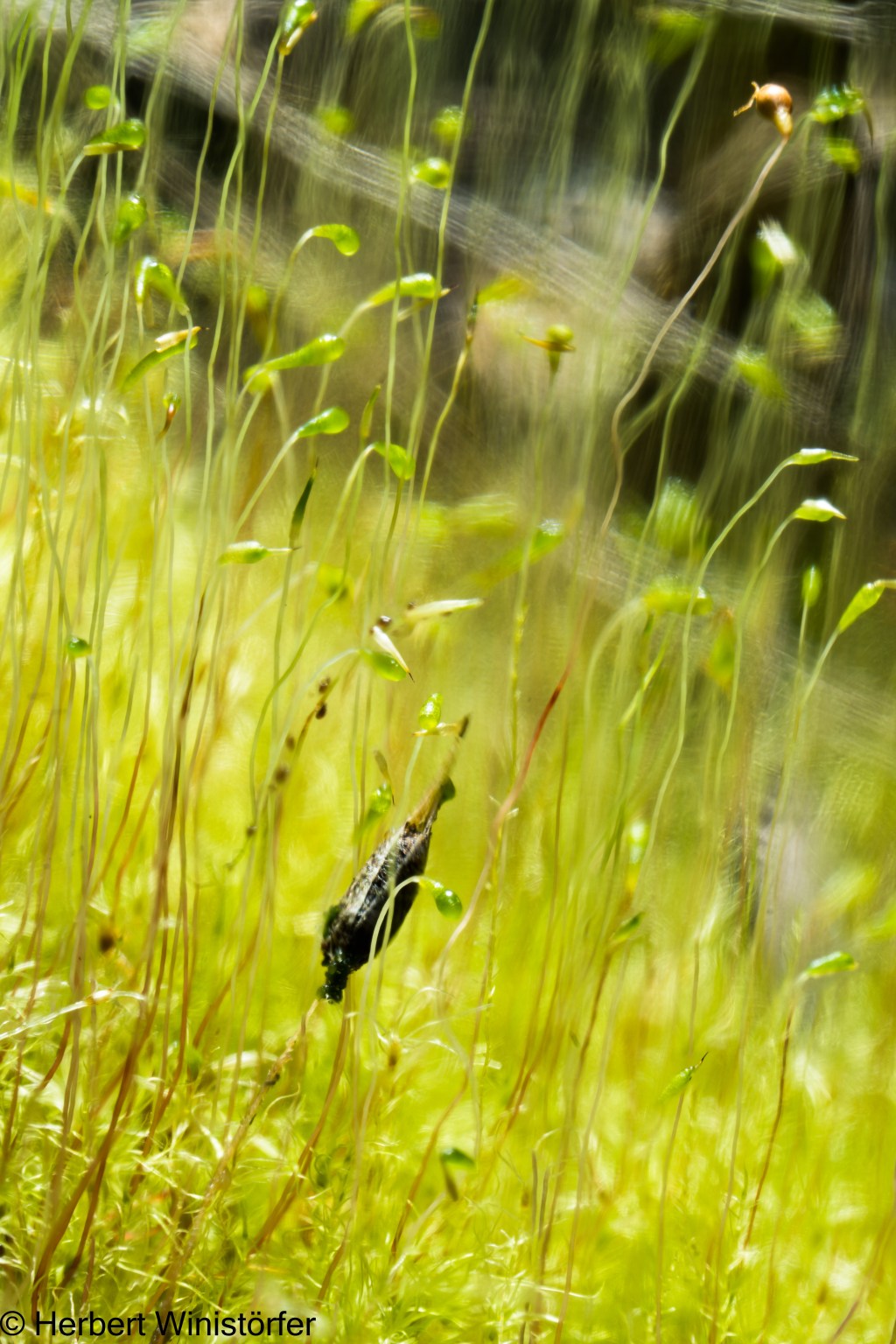
A tiny cosmopolitan
Read more: A tiny cosmopolitanWhen I started with hermetospheres, mosses were not my first priority. They sometimes came as a stowaway with other plants, and I usually let them grow. They did not trouble and formed a welcome ground cover. Moss first caught my attention when spore capsules developed on long, thin stems in my very first hermetosphere jar.…
-
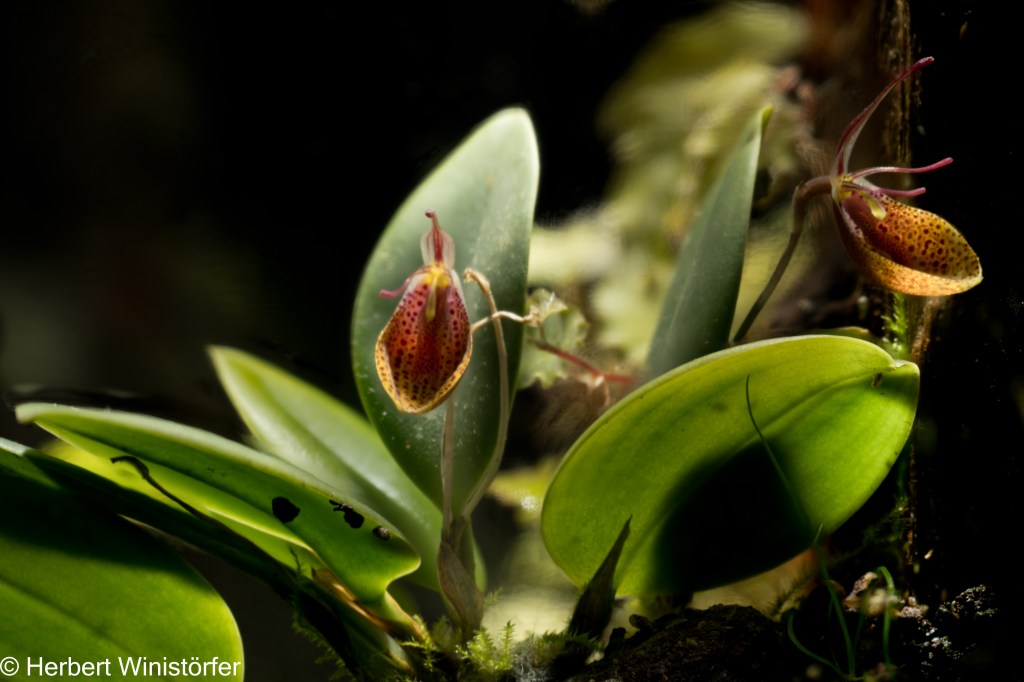
A mysterious orchid with boat-shaped flowers
Read more: A mysterious orchid with boat-shaped flowersVery little is known about the orchid Restepia cymbula. According to C.A. Luer (1996), who described the species in the Icones Pleurothallidarium, its presumptive discoverer was Mario Portilla, later co-founder of the famous nursery Ecuagenera Cia. Ltda. Luer writes: “This little species without collection data was obtained in 1992 by Colomborquideas Ltd. above Medellin, Colombia,…
-

In honour of João Barbosa Rodrigues
Read more: In honour of João Barbosa RodriguesIt is the first orchid I ever planted in a hermetosphere, and the fragile beauty of its flowers strikes me again every time. Initially it was planted on one side of the substrate with a small portion of its creeping rhizome. It has since worked its way across the entire diameter of the glass to…
-

Unexpected guest
Read more: Unexpected guestWhen creating and observing hermetospheres, I focus on plant life. However, one must be prepared to encounter unexpected guests. This is what happened to me once before, when a whole container was overgrown with a fungus within a few hours. With the latest guest, I got to know an entire new and extraordinary life form.…
-
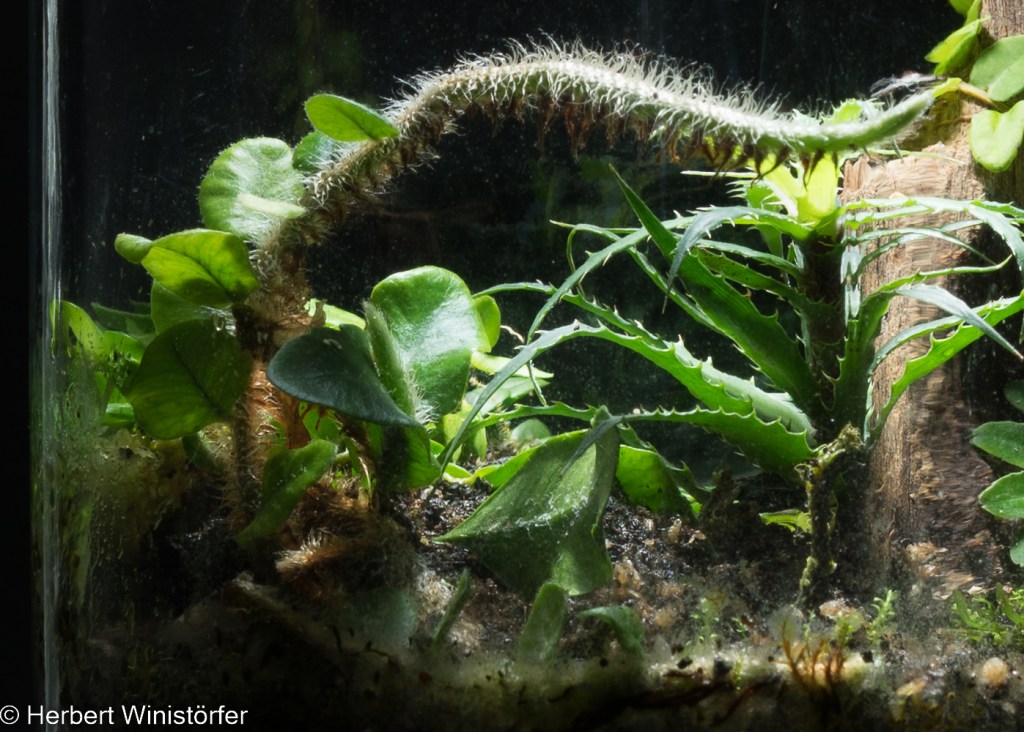
Around the world on behalf of the tsar
Read more: Around the world on behalf of the tsarOn 7 August 1803 the sailing ship Nadeshda under captain Adam Johann von Krusenstern left St. Petersburg for the first Russia-led circumnavigation of the globe on behalf of Tsar Alexander I. During a first stop in Copenhagen, German naturalist Georg Heinrich von Langsdorff (1774-1852), later diplomat in the service of the tsar, came aboard. After crossing…
-
Darwin and the mystery of the coiling direction
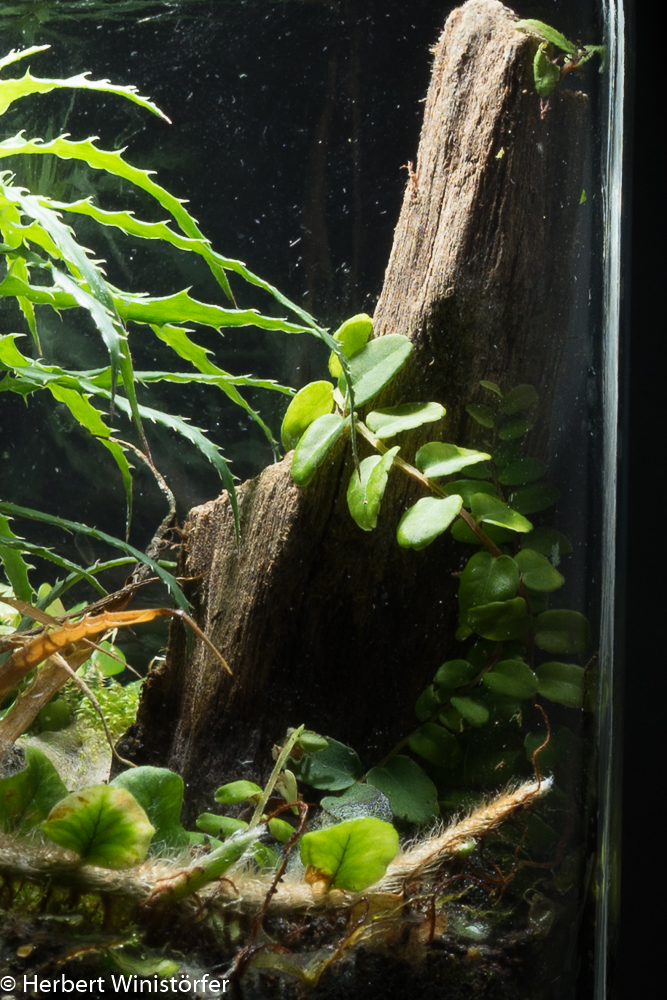
Read more: Darwin and the mystery of the coiling directionWhen I acquired this plant as one of my first purchases to grow in a hermetosphere, it was labelled Marcgravia umbellata, but it might as well be Macgravia oligandra. Both plants originate from the caribbean islands and belong to the shingle-leaf climbers – root-climbing plants whose leaves are adpressed and often overlap (Zona 2020). As…
-
Neoregelia
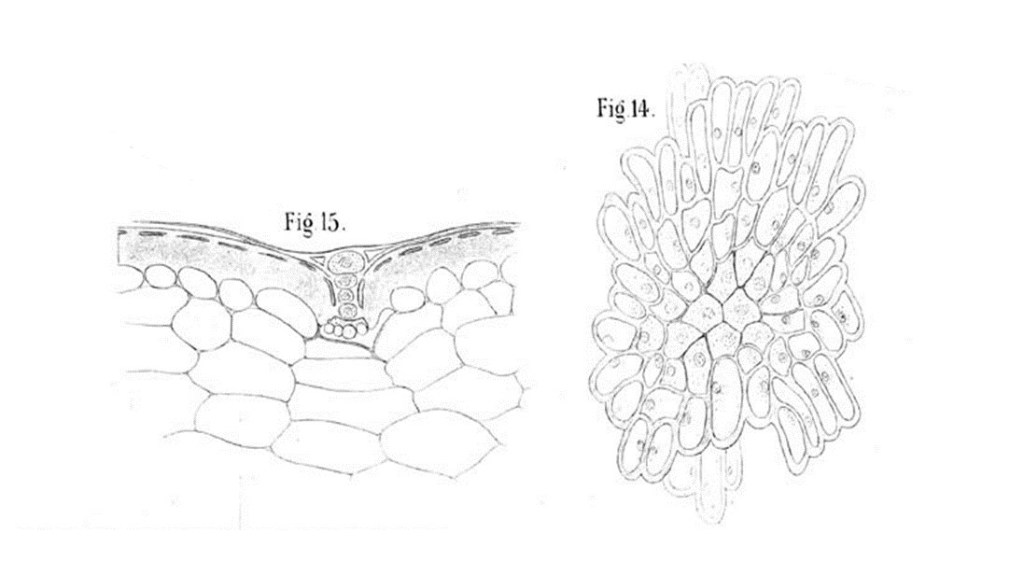
Read more: NeoregeliaBromeliads, the Bromeliaceae family, are among the most fascinating plants of the neotropical fauna. Most of them grow too large for a 5l hermetosphere. A few however do not only fit in size but also seem to find favorable conditions for living in hermetospheres. Initially, the Bromeliaceae family was divided into three subfamilies based on…
-
Subscribe
Subscribed
Have a WordPress.com account? Log in now.

