-
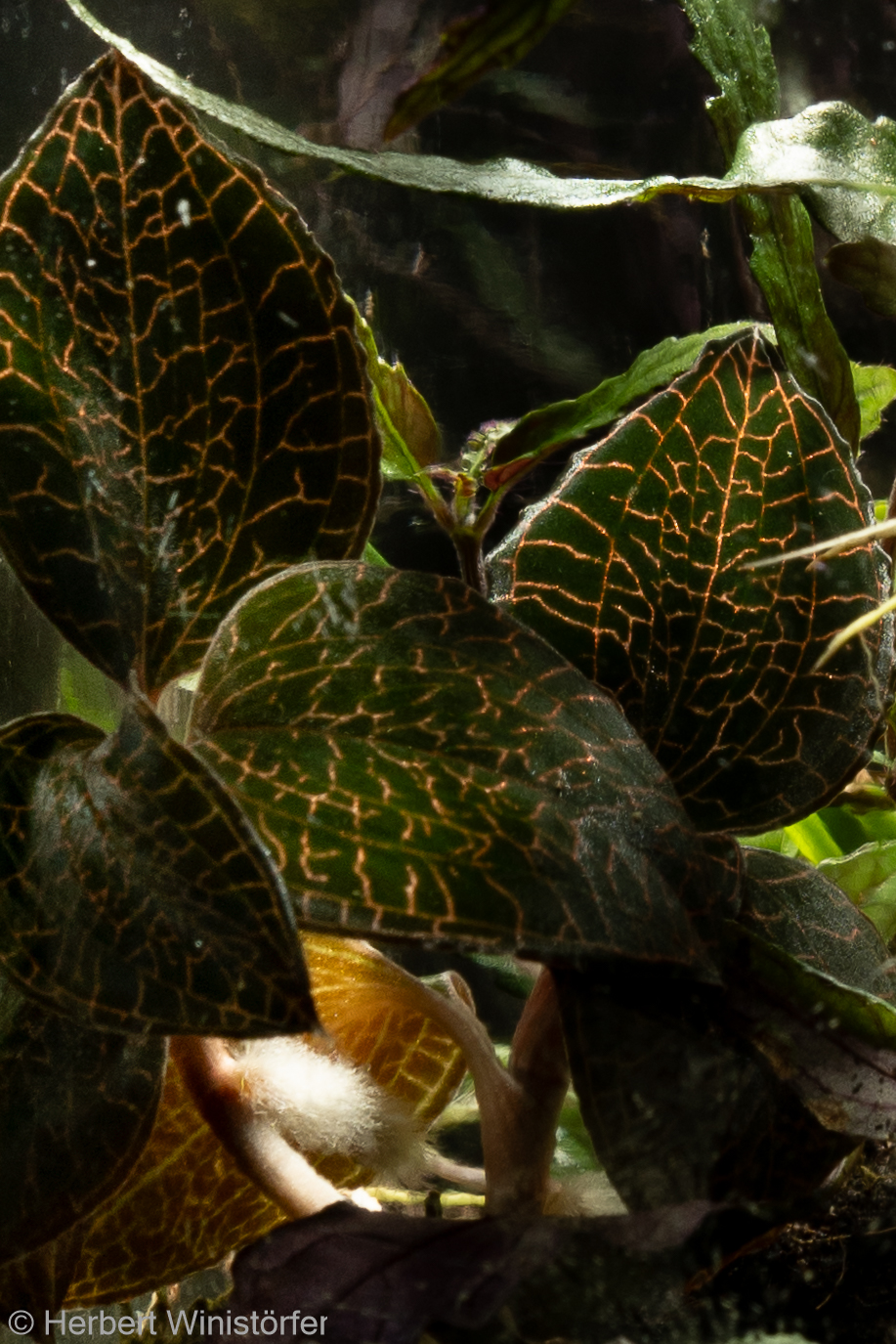
Jewels of the closed terrarium?
Read more: Jewels of the closed terrarium?Since the times of the ‘plant hunters’ of the colonial era, orchids have held a special fascination for plant lovers. Only a small proportion of tropical orchids live with roots anchored in the soil (terrestrial), far more live as epiphytes on other plants. They obtain moisture and nutrients from the precipitation water that runs down…
-

Acclimation (4): Labisia sp.
Read more: Acclimation (4): Labisia sp.Previous entries in this blog (#1, #2, #3) have already discussed the observation that some plants change their habitus after being planted in a closed container, presumably from “ordinary” greenhouse conditions. This is another example. The plant is marketed under the name Labisia sp. ‘Boyan’, and its natural habitat is stated as Borneo. However, in…
-
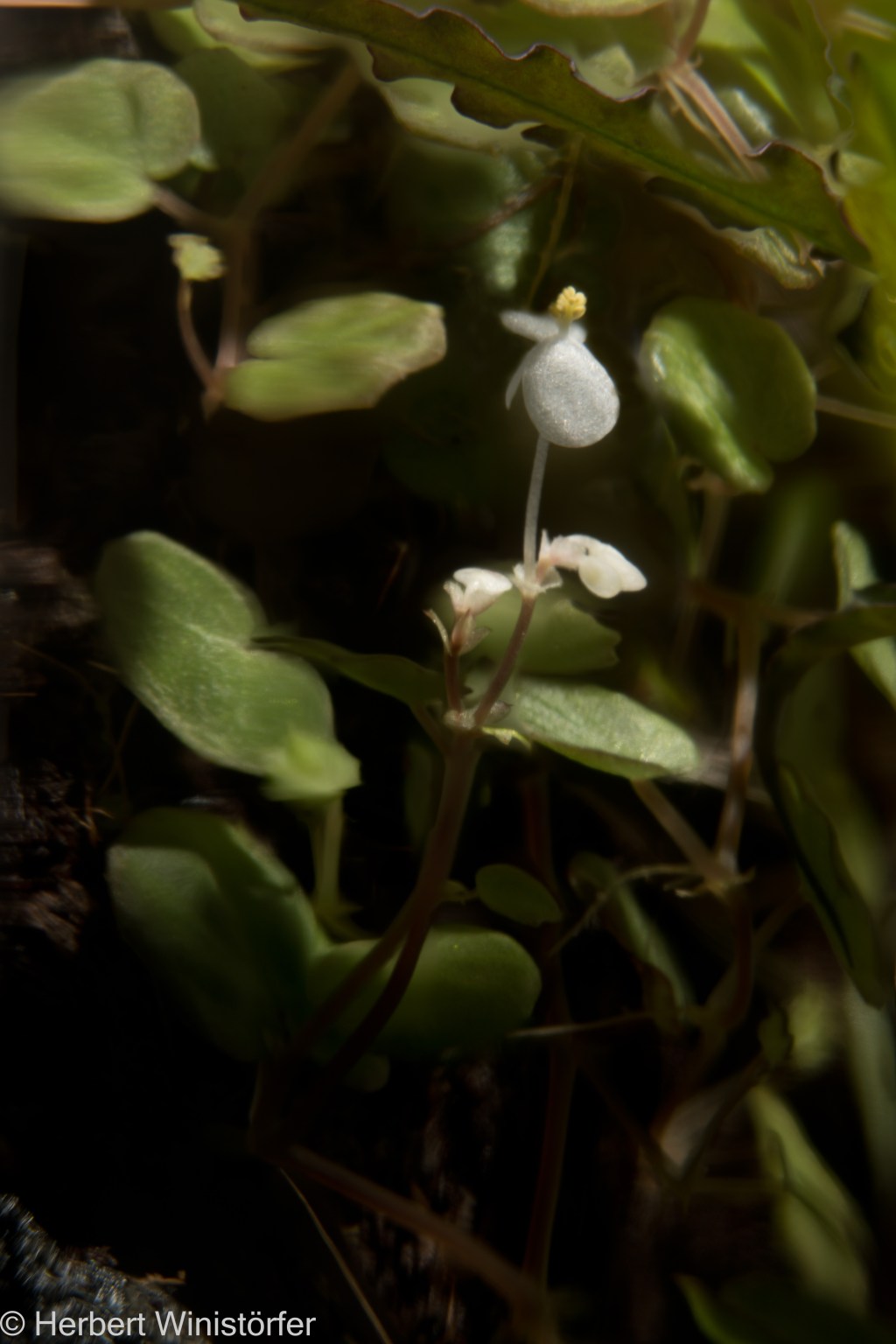
Avoid reflections
Read more: Avoid reflectionsMy standard method to take pictures is, both for containers as a whole and for details within: Place the light source, a camera flash light with remote control, directly on the lid of the container. This prevents the light source from being reflected on the surface of the glass and thus affecting the image. Today,…
-

The mystery of red leaf undersides
Read more: The mystery of red leaf undersides“The lower (abaxial) leaf surfaces of many plant species are brightly colored by red to purple pigments, most commonly anthocyanins. This trait has evolved multiple times independently in the plant kingdom, most prolifically in angiosperms but also in some seedless, vascular plants […], making it a textbook example of convergent evolution.” (Hughes and Lev-Yadun 2023,…
-

A precious, lichen-like Begonia
Read more: A precious, lichen-like BegoniaIn 2017, Lin and colleagues described Begonia lichenora as a species new to science. The species is “Distributed in Sarawak, Borneo; known only from Bau to Padawan areas that are at border with West Kalimantan Province of Indonesia. Plants usually climb up the steep, slightly shaded soil slopes in wet dipterocarp forest, elevation ca. 100…
-
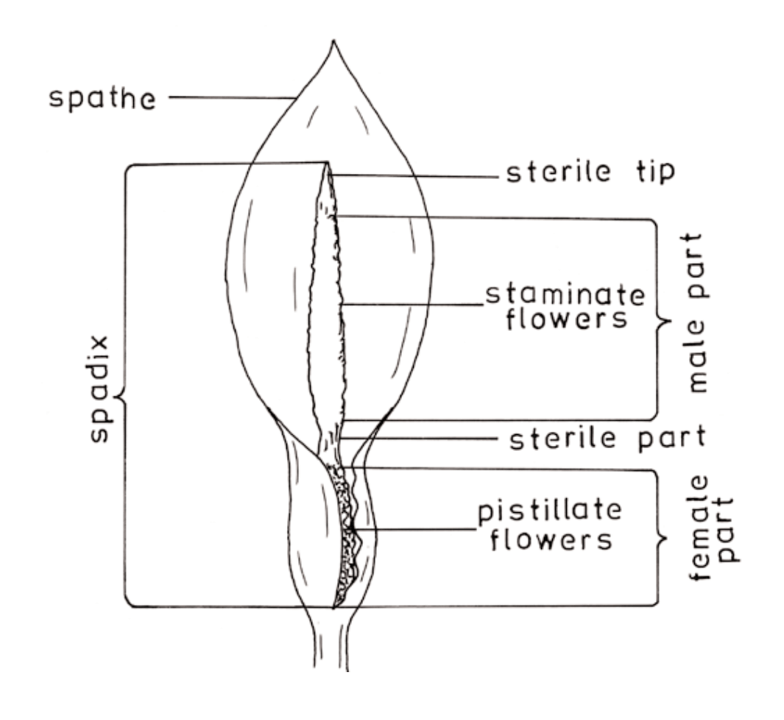
Tiny flies find tiny flowers
Read more: Tiny flies find tiny flowersAt first glance, the flowers of aroids (family Araceae) appear much less spectacular than those of other plants. Aroids are therefore loved by plant enthusiasts far more for their foliage than for their flowers. On closer inspection, however, the flowers offer amazing insights. While tropical aroids have been popular as indoor, terrarium or aquarium plants…
-

Acclimation (2): Strobilanthes reptans
Read more: Acclimation (2): Strobilanthes reptansWhy does a plant begin to produce oversized leaves as soon as it is placed in a hermetosphere? Let us start the story at the beginning: I recently started a hermetosphere to represent New Guinea. Begonia bipinnatifida with its wonderful, reddish, bipinnate leaves should be the main actor and Strobilanthes reptans as well as Davallia…
-

Plant, ant-plant and ant
Read more: Plant, ant-plant and antIn their natural habitat, the melastoma family plant Pachycentria glauca often grow as epiphythes on ant-plants like Hydnophytum and Dischidia (which themselves usually grow epiphytically). Plants that live in a mutualistic association with a colony of ants are called myrmecophytes. Two morphological features of P. glauca are important for this plant-ant interaction: miniature pearl bodies…
-
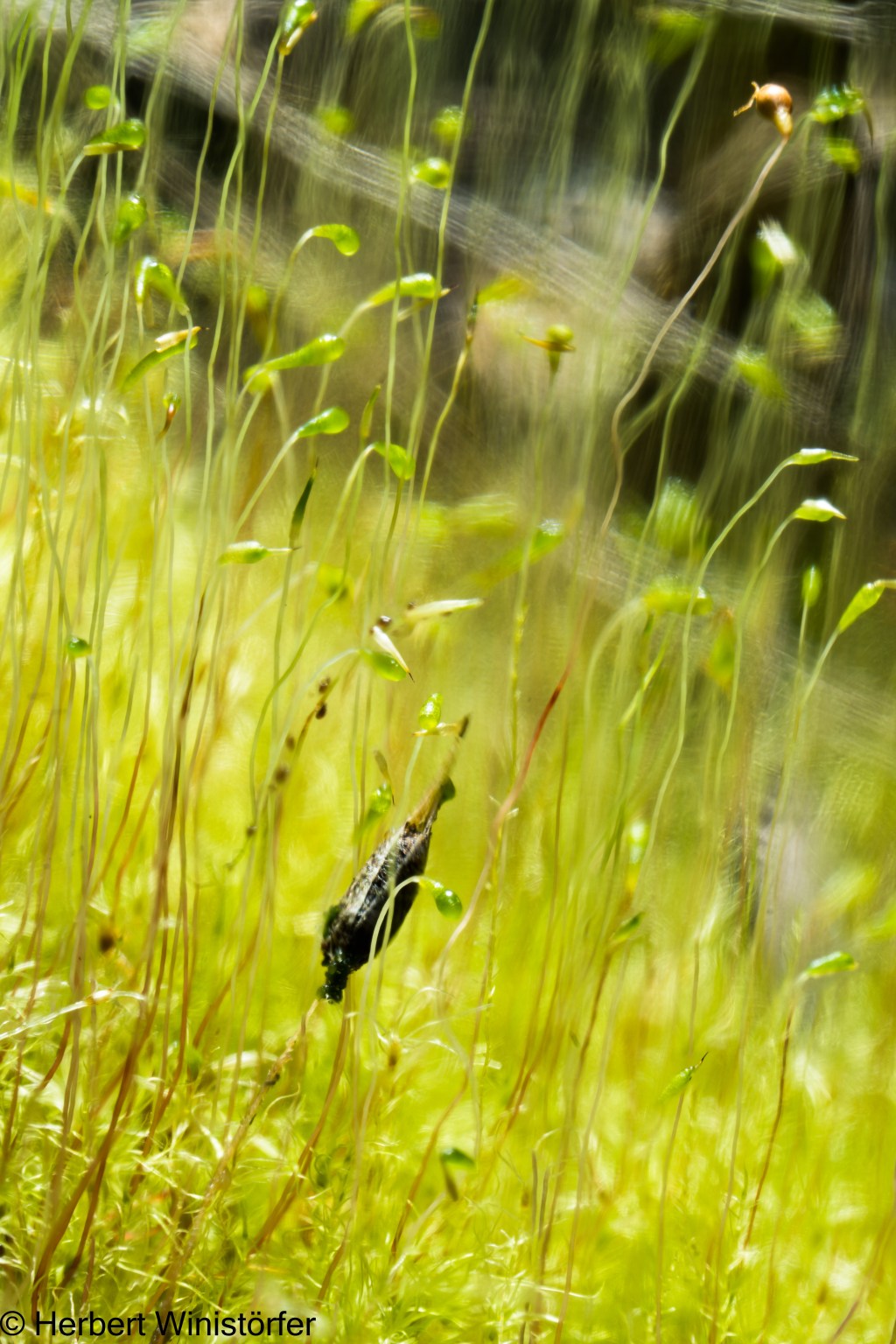
A tiny cosmopolitan
Read more: A tiny cosmopolitanWhen I started with hermetospheres, mosses were not my first priority. They sometimes came as a stowaway with other plants, and I usually let them grow. They did not trouble and formed a welcome ground cover. Moss first caught my attention when spore capsules developed on long, thin stems in my very first hermetosphere jar.…
-
Subscribe
Subscribed
Already have a WordPress.com account? Log in now.
 Hermetospheres