-
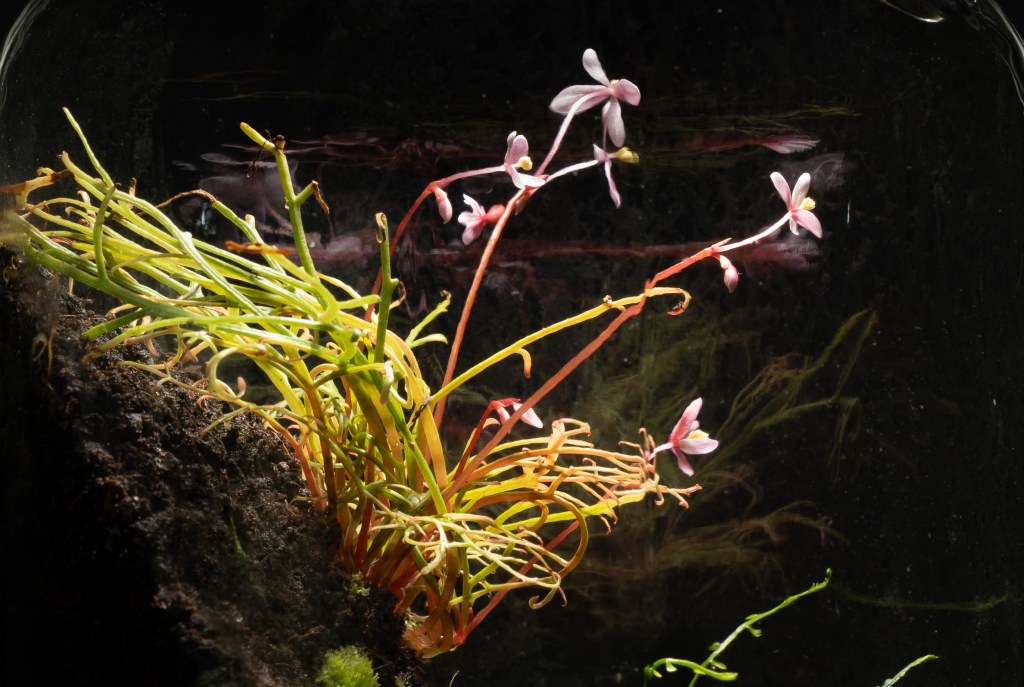
Succeeding generations (2): Begonia pteridoides
Read more: Succeeding generations (2): Begonia pteridoidesWhen plants produce second and third generations is one of my best rewards when working with hermetospheres. Plants have several ways to do this, e.g. seeds or runners, and not always it is quite clear when a next generation actually begins. In the case of Begonia pteridoides shown here, the situation should be unambiguous.
-
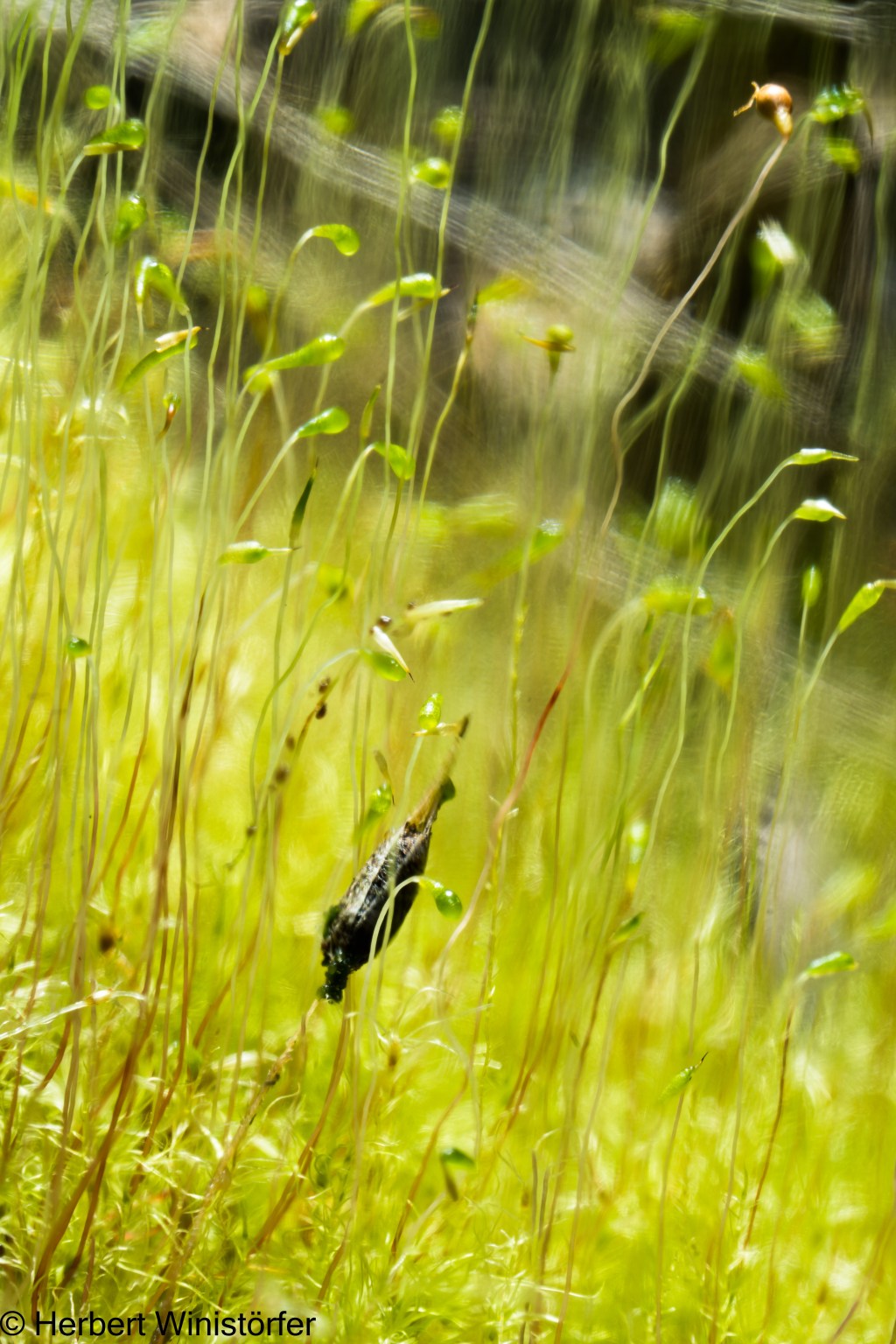
A tiny cosmopolitan
Read more: A tiny cosmopolitanWhen I started with hermetospheres, mosses were not my first priority. They sometimes came as a stowaway with other plants, and I usually let them grow. They did not trouble and formed a welcome ground cover. Moss first caught my attention when spore capsules developed on long, thin stems in my very first hermetosphere jar.…
-
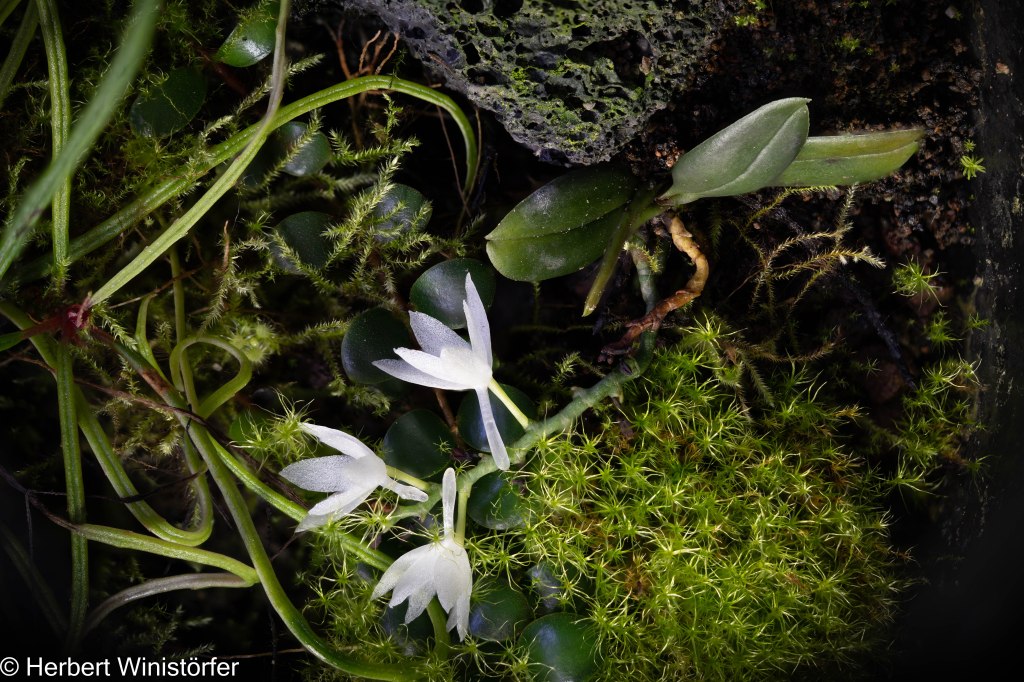
A vulnerable orchid
Read more: A vulnerable orchidAerangis hyaloides is popular with orchid collectors for its lush, brilliant white flowers. For me, this was also one of the reasons to choose it for my Madagascar container. Other reasons were its small size, its supposedly undemanding cultivation and its suitable temperature, humidity and light preferences as an understory species of lowland forests. My…
-
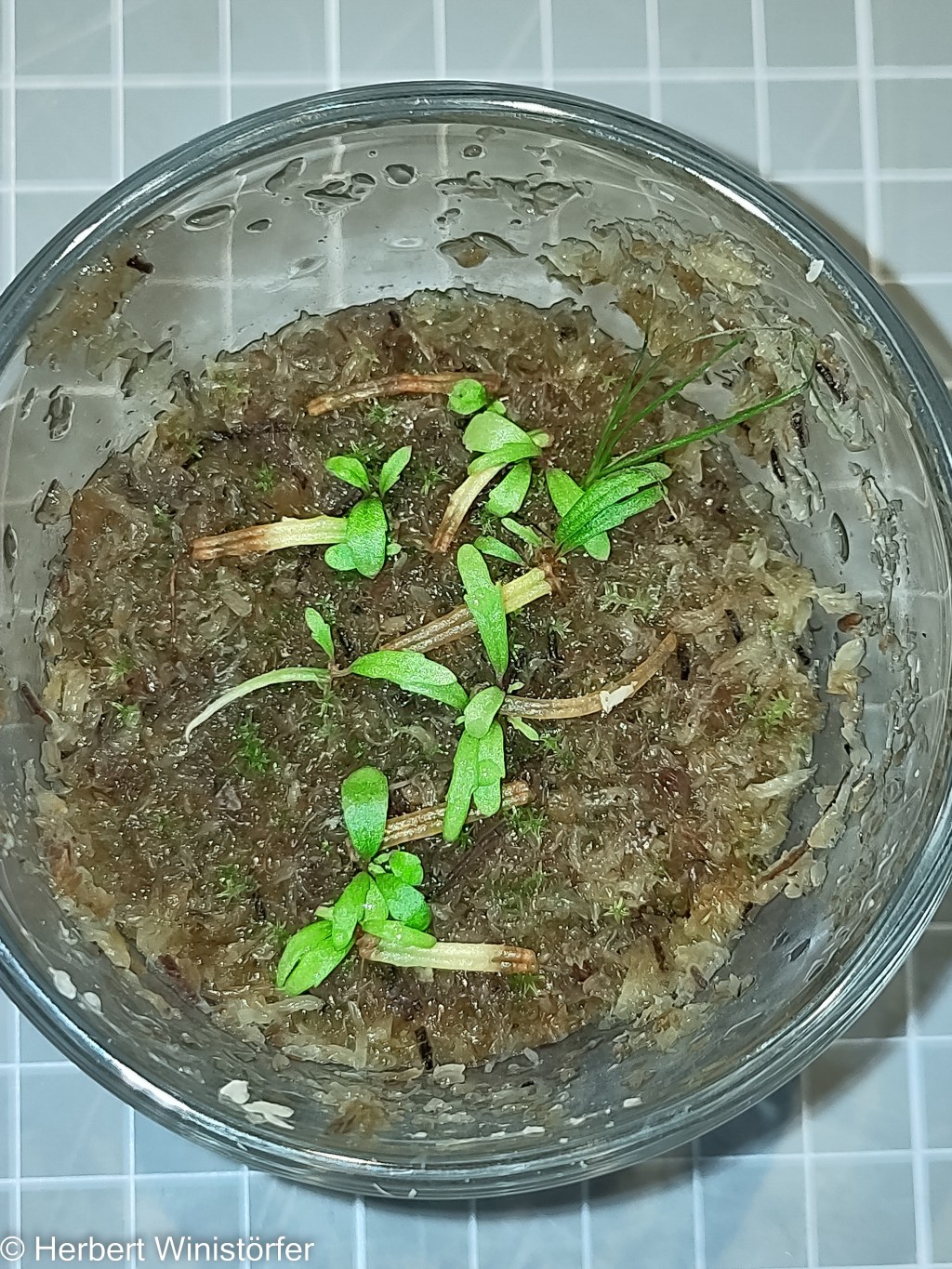
A most exceptional Begonia
Read more: A most exceptional BegoniaBegonia is not only among the most diverse genera in nature (about 1’550 described species), but also among the most intensively cultivated ornamental plants in the world (over 10’000 cultivars). Begonias are known from Africa (160 species), the Americas and Asia (more than 600 species each), but not from Australia. Attempts have been made to…
-
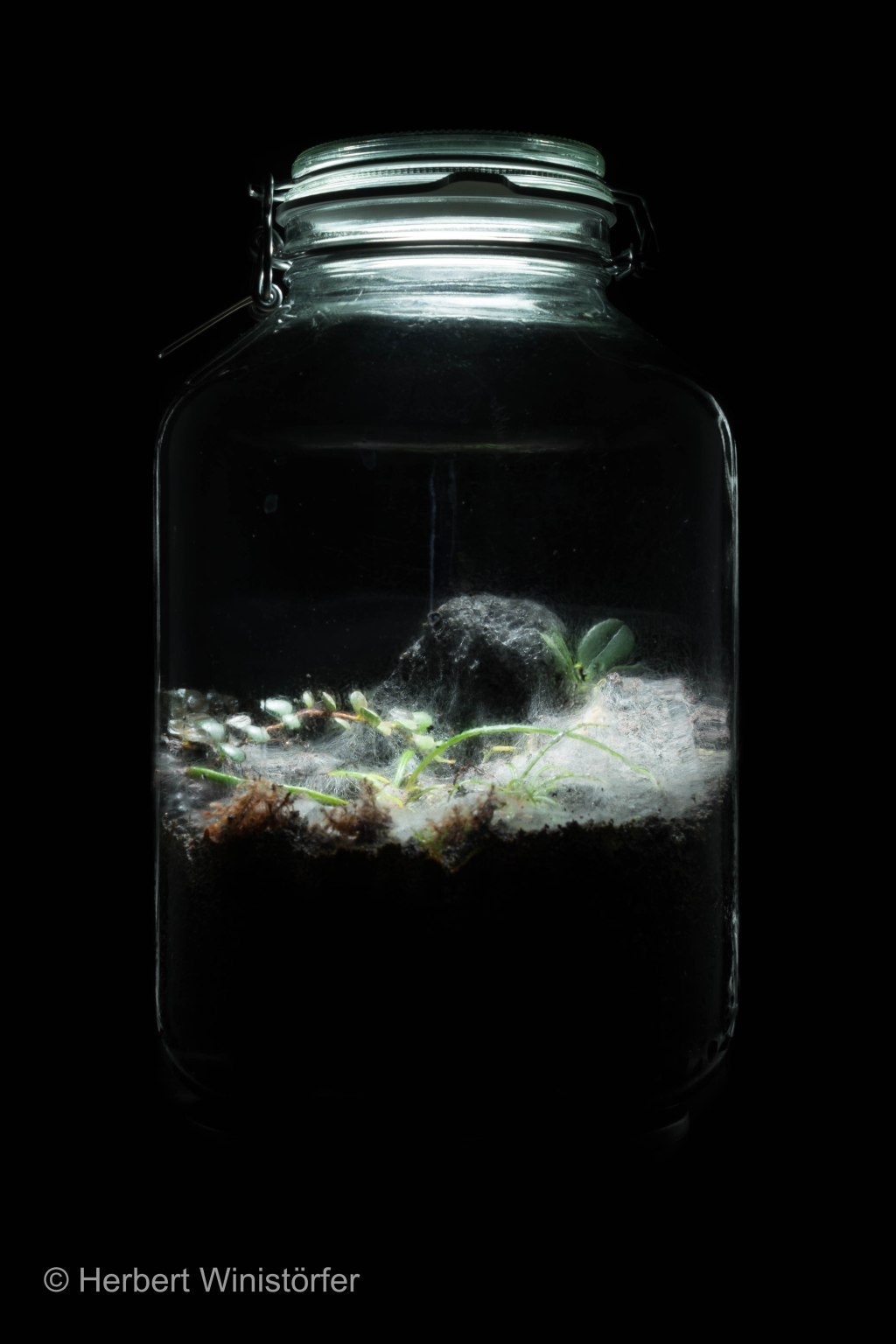
Death and resurrection
Read more: Death and resurrectionFor my first jar inspired by the flora of Madagascar, I combined the following plants. Somehow, I must have enclosed spores of a fungus. Days after onset, it started spreading and after 15 days, the entire surface of substrate and plants was covered with mycelium mesh. At the time I was sure the plants were…
-
Subscribe
Subscribed
Already have a WordPress.com account? Log in now.
 Hermetospheres