-
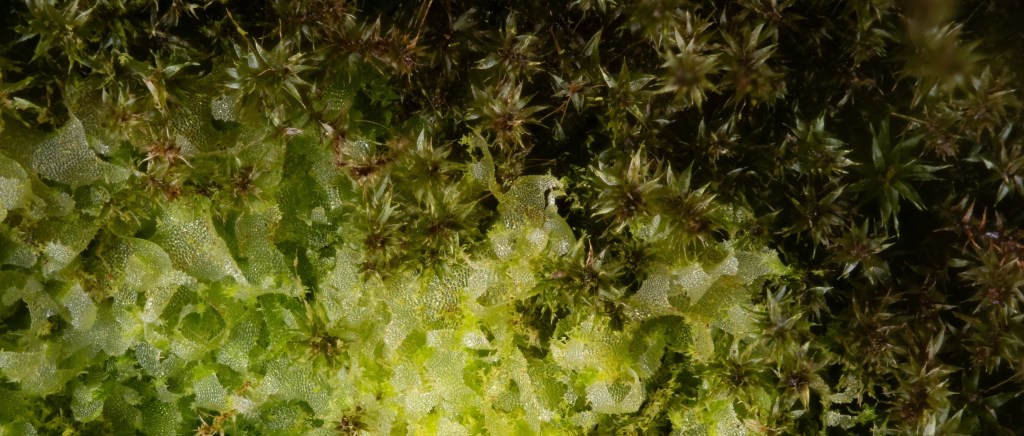
Diving into the world of bryophytes
Read more: Diving into the world of bryophytesMosses and other bryophytes are often overlooked or regarded as decorative add-ons to flowering plants. On a closer look, however, an entire miniature wold can be observed. One of my closed terraria with at least three different bryophytes thriving made me dive deeper into this fascinating group of plants.
-
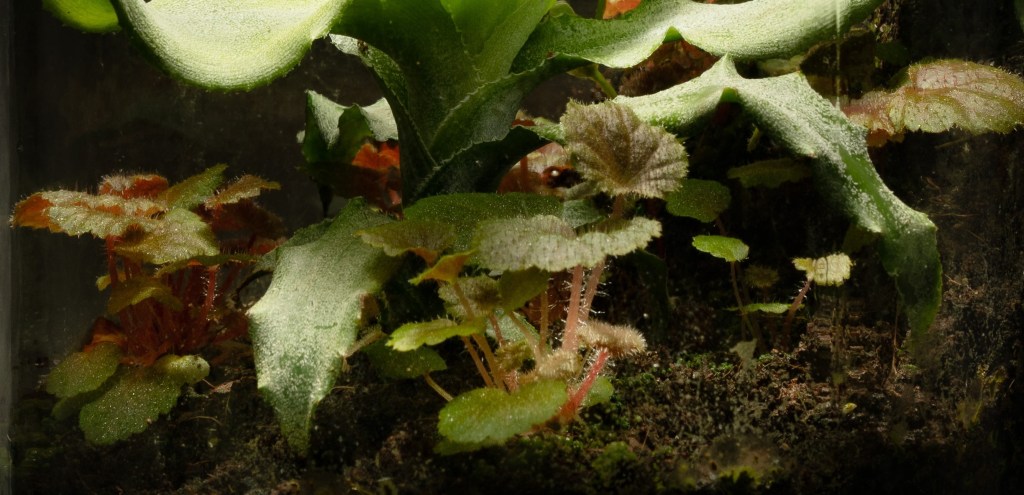
Hoehne’s Begonia
Read more: Hoehne’s BegoniaFor some tropical plants that have a reputation for being difficult to grow in culture, the hermetosphere is just what it needs. This seems to be the case for this small Begonia from São Paulo province in Brazil. According to one of the most experienced Begonia growers today, B. hoehneana is “a species that is…
-
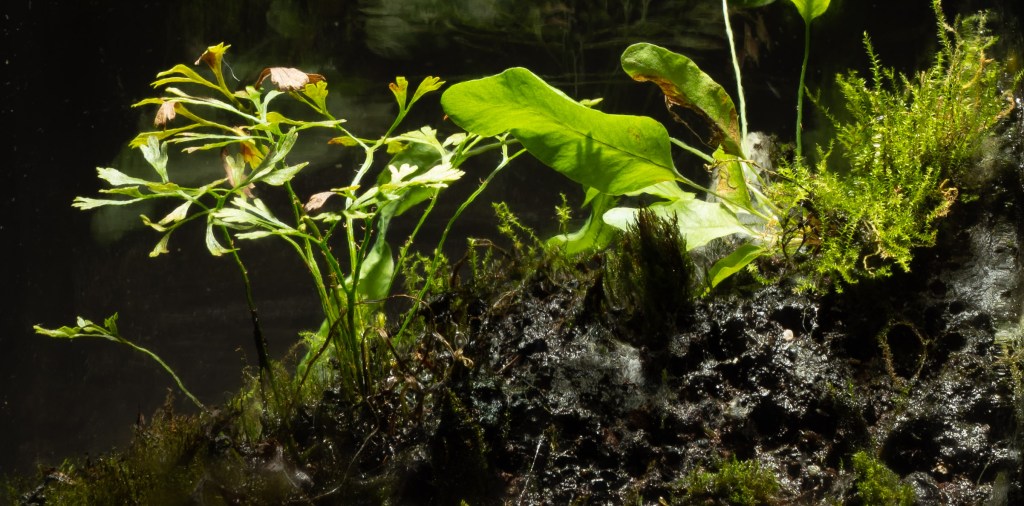
Death and the hitchhiker fern
Read more: Death and the hitchhiker fernSometimes, when things look bad, it pays to simply wait and see if things change for the better. I have already described an experience of this kind (Death and resurrection). There is a similar story to tell today. A 5l container inspired by the flora of Costa Rica was set up on April 2023 with…
-

Acclimation (5): Gesneria cuneifolia
Read more: Acclimation (5): Gesneria cuneifoliaGesneriads (Gesneriaceae), a family of plants named in honour of the Zurich Renaissance naturalist Conrad Gessner (1516-1565), have been very popular as ornamental plants for a long time. Main aspects of the cultivation are covered by The Gesneriad Society. Although most gesneriads are perennial herbs or shrubs native to topical or subtropical regions, some species…
-
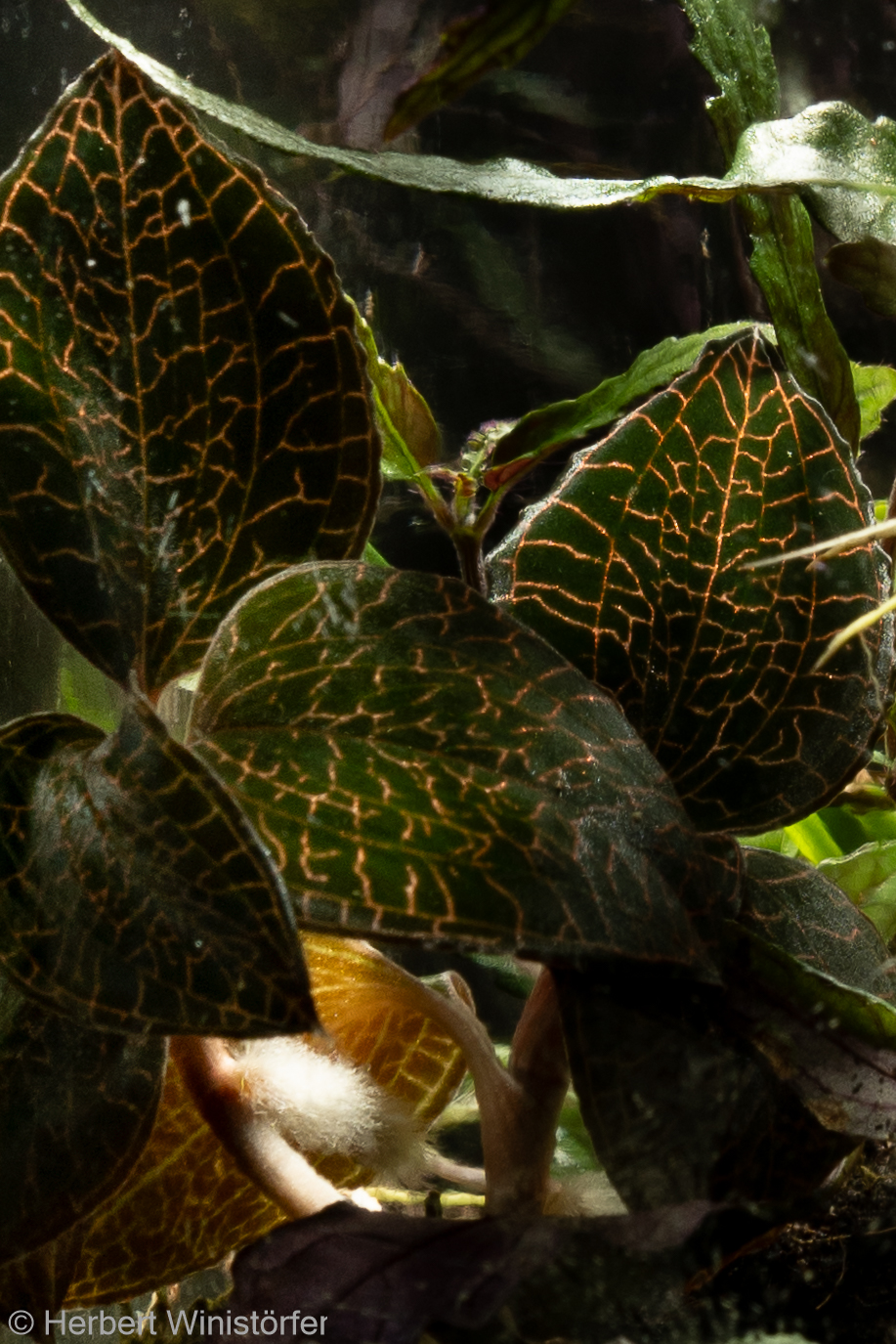
Jewels of the closed terrarium?
Read more: Jewels of the closed terrarium?Since the times of the ‘plant hunters’ of the colonial era, orchids have held a special fascination for plant lovers. Only a small proportion of tropical orchids live with roots anchored in the soil (terrestrial), far more live as epiphytes on other plants. They obtain moisture and nutrients from the precipitation water that runs down…
-

Acclimation (2): Strobilanthes reptans
Read more: Acclimation (2): Strobilanthes reptansWhy does a plant begin to produce oversized leaves as soon as it is placed in a hermetosphere? Let us start the story at the beginning: I recently started a hermetosphere to represent New Guinea. Begonia bipinnatifida with its wonderful, reddish, bipinnate leaves should be the main actor and Strobilanthes reptans as well as Davallia…
-

The flower destined to stay closed
Read more: The flower destined to stay closedSo far, this jar represents little more than a series of failures. Originally, it was supposed to represent the Mexican Gulf province of Veracruz. There, in the cloud forest of the Sierra Madre Oriental, at an altitude of around 1500m, are the only known locations of Pinguicula emarginata. The species had been recommended to me when…
-
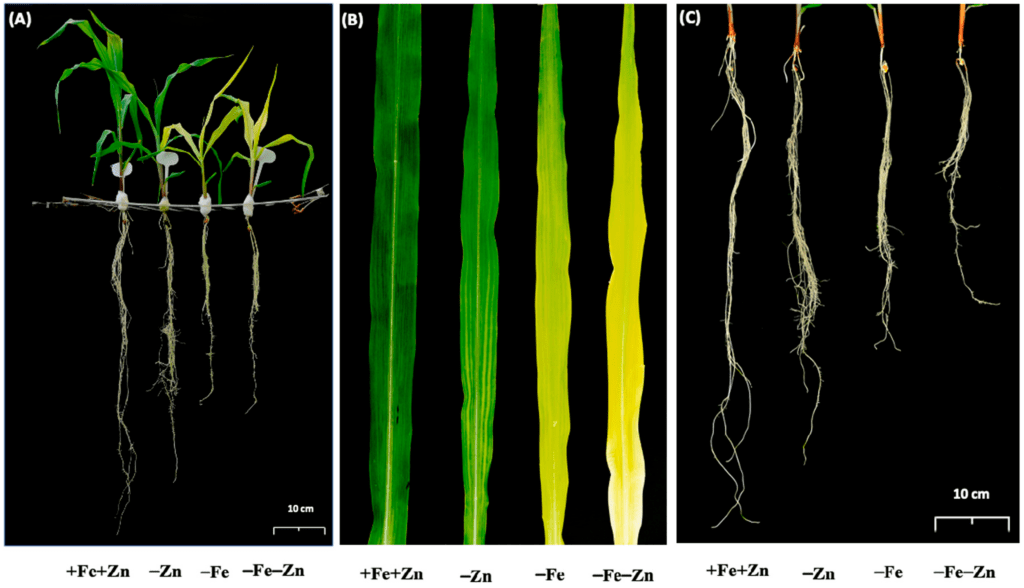
Nutrient conditions
Read more: Nutrient conditionsThis post is part two of a three-part series discussing water conditions, nutrient conditions, and light conditions in hermetospheres. In a closed system of plant life, water, carbon and nutrients are subject to cycles. In the case of nutrients, dying plant tissue is beeing decomposed by bacteria and fungi, and the nutrients it contains are…
-
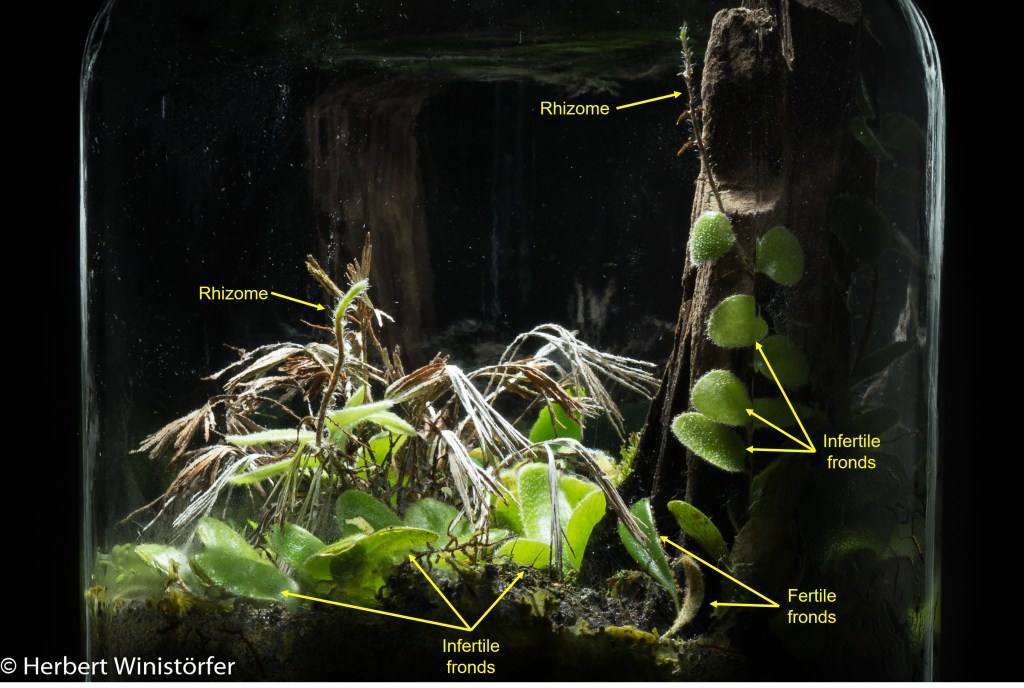
Pyrrosia nummulariifolia
Read more: Pyrrosia nummulariifoliaYou might wonder why this post is categorized as both success and failure. Let me begin with the success. When I started my jar designated to Myanmar in mid-August 2021, I placed a short rhizome cutting of P. nummulariifolia along the border of the substrate. Now, almost a year later, it is well established and…
-

Actiniopteris radiata
Read more: Actiniopteris radiataOne of my two jars dedictated to plants native to Myanmar is currently able to tell more than one story. The fern called Peacock’s tail, A. radiata, was meant to be the main protagonist when I started the jar in mid August 2021. Initially, the plant seemed to be comfortable and produced new fronds. After…
-
Subscribe
Subscribed
Already have a WordPress.com account? Log in now.
 Hermetospheres