-

“Climbing stag’s tongue with scaly stems”
Read more: “Climbing stag’s tongue with scaly stems”This fern is not only visually very appealing, it also has other characteristics that make it an ideal plant for hermetospheres: small size, slow growth and a preference for a permanently warm and humid environment. The fact that it is widespread throughout tropical America indicates that it does not make any exceptional demands in order…
-
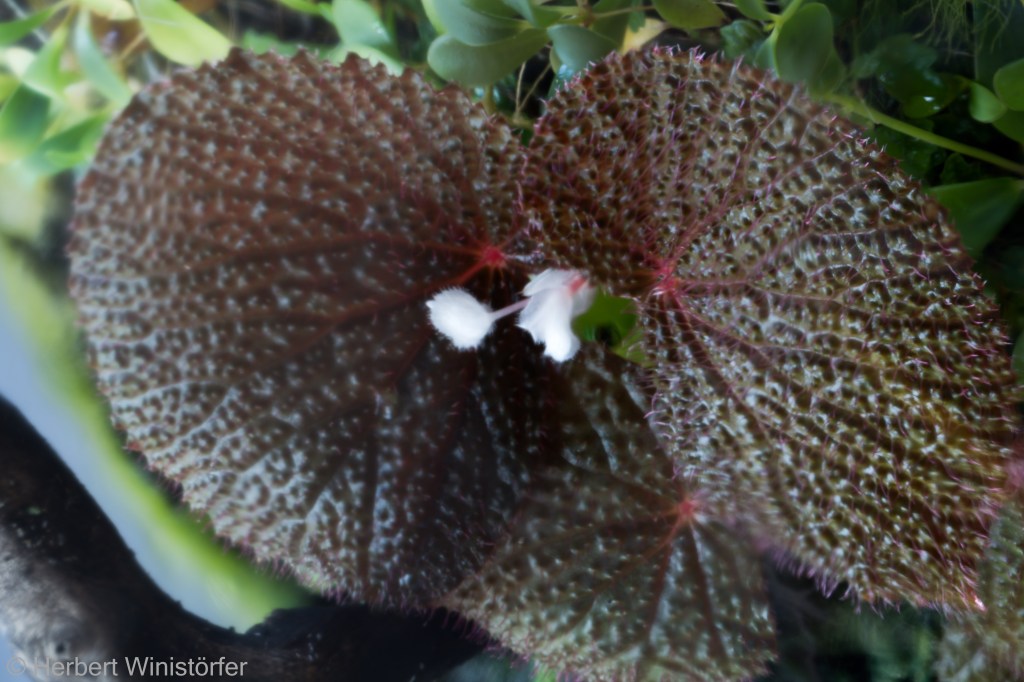
The ‘good’ Begonia
Read more: The ‘good’ BegoniaIt is only ten years since this plant was given a scientific name. Nevertheless, it is already popular with plant lovers, especially for its rosette of maroon to dark malachite-green bubbled leaves covered with magenta hairs and its bright white flowers. The special appearance of the plant was one of the reasons why the authors…
-

Acclimation (5): Gesneria cuneifolia
Read more: Acclimation (5): Gesneria cuneifoliaGesneriads (Gesneriaceae), a family of plants named in honour of the Zurich Renaissance naturalist Conrad Gessner (1516-1565), have been very popular as ornamental plants for a long time. Main aspects of the cultivation are covered by The Gesneriad Society. Although most gesneriads are perennial herbs or shrubs native to topical or subtropical regions, some species…
-
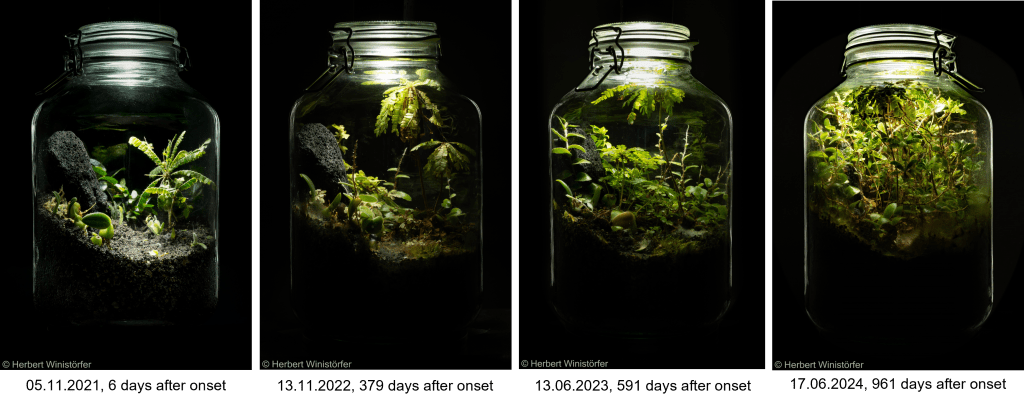
A jungle in the making
Read more: A jungle in the makingOne of the most fascinating aspects of hermetospheres is to see how plant communities develop over years in a confined space – with only minimal intervention. The picture below shows the current state of one of my first containers. How it became what it is today is this story. One of my first containers ever…
-

The substrate
Read more: The substrateWhen it comes to the growing medium, every plant enthusiast has his or her favourite product or recipe. So do I, and here is mine. To find my standard recipe, I read a lot, gave it a lot of thought, made an initial choice and started a trial, assessed the result, made small changes, started…
-
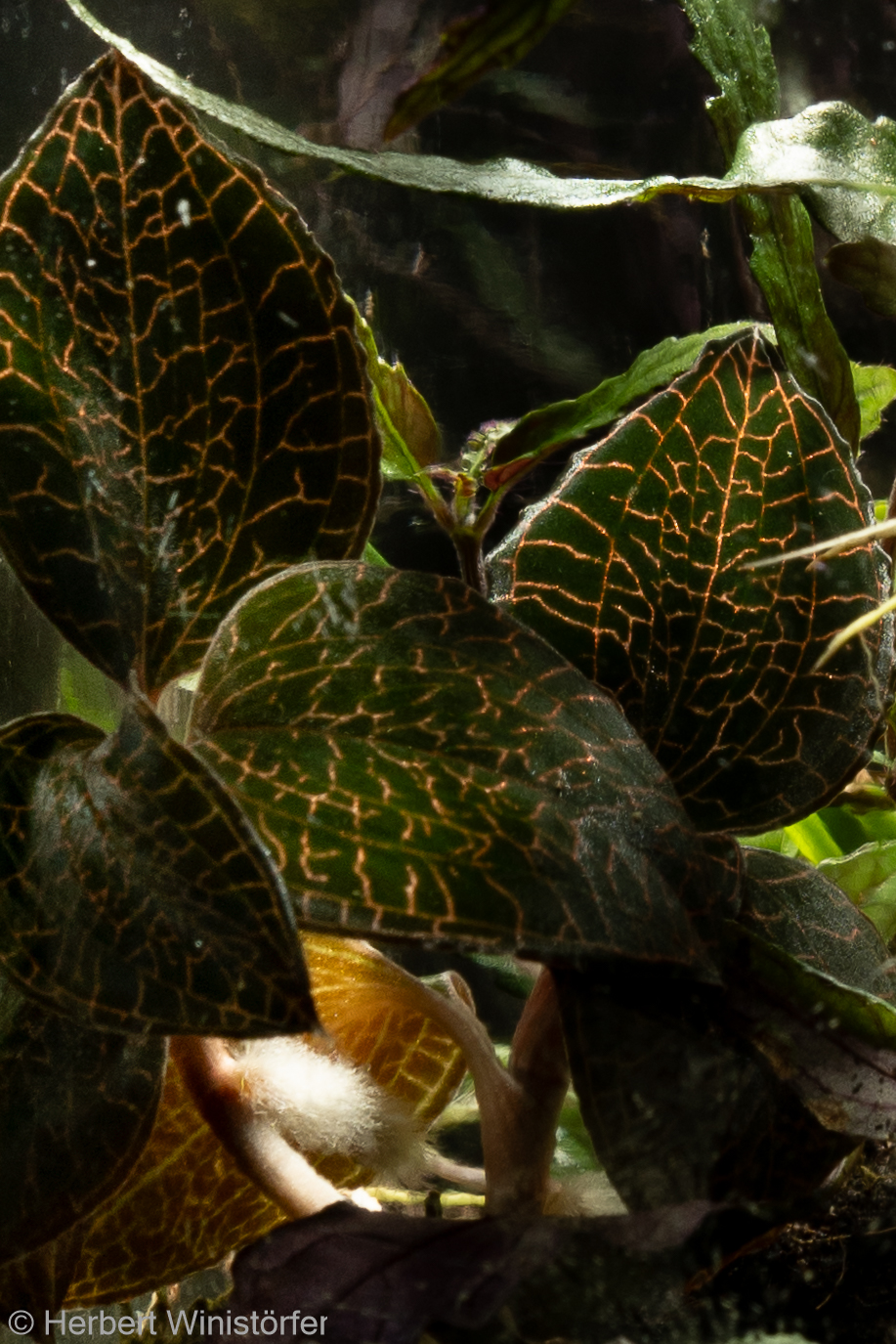
Jewels of the closed terrarium?
Read more: Jewels of the closed terrarium?Since the times of the ‘plant hunters’ of the colonial era, orchids have held a special fascination for plant lovers. Only a small proportion of tropical orchids live with roots anchored in the soil (terrestrial), far more live as epiphytes on other plants. They obtain moisture and nutrients from the precipitation water that runs down…
-

Efficient light capture with downsized leaves?
Read more: Efficient light capture with downsized leaves?The unequal growth of two leaves in a pair from a single branch node is called anisophylly. It occurs in several, non related groups of Angiosperms that have opposite leaves, like Gesneriaceae, Melastomataceae, Rubiaceae and Urticaceae and is therefore assumed to have evolved independently several times. But what is the competitive advantage of this trait…
-

Acclimation (4): Labisia sp.
Read more: Acclimation (4): Labisia sp.Previous entries in this blog (#1, #2, #3) have already discussed the observation that some plants change their habitus after being planted in a closed container, presumably from “ordinary” greenhouse conditions. This is another example. The plant is marketed under the name Labisia sp. ‘Boyan’, and its natural habitat is stated as Borneo. However, in…
-
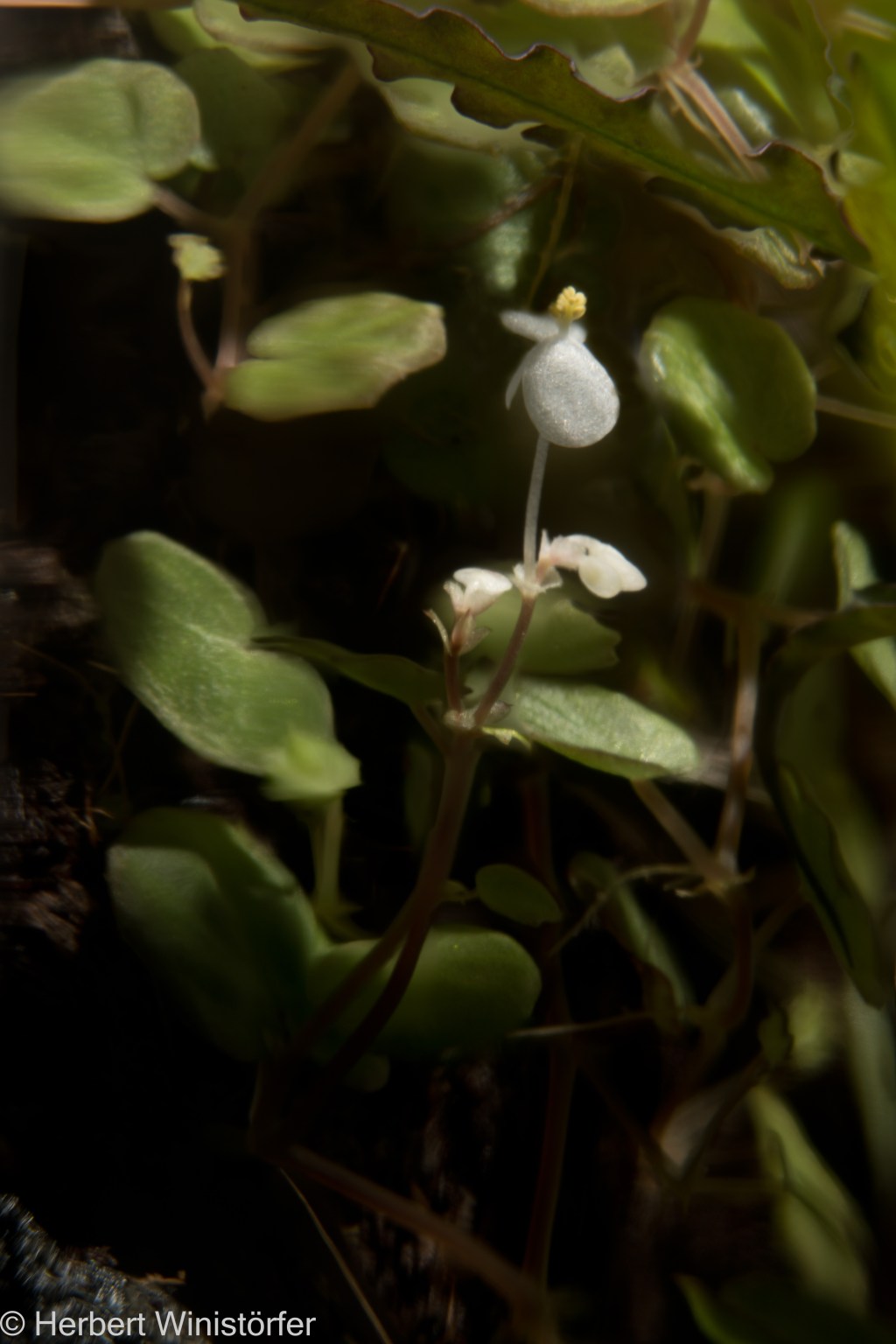
Avoid reflections
Read more: Avoid reflectionsMy standard method to take pictures is, both for containers as a whole and for details within: Place the light source, a camera flash light with remote control, directly on the lid of the container. This prevents the light source from being reflected on the surface of the glass and thus affecting the image. Today,…
-

The dwarf Microgramma
Read more: The dwarf Microgramma“Microgramma C.Presl is a fern genus of approximately 30 species in the family Polypodiaceae, all occurring in the Neotropics except one occurring in Africa. They are rhizome-creeping epiphytes, growing from trunk bases to the canopy, with a few species also able to grow in rocky or terrestrial habitats. They occur preferentially in wet tropical forests…
-
Subscribe
Subscribed
Already have a WordPress.com account? Log in now.
 Hermetospheres