-
Nutrient conditions
Read more: Nutrient conditionsThis post is part two of a three-part series discussing water conditions, nutrient conditions, and light conditions in hermetospheres. In a closed system of plant life, water, carbon and nutrients are subject to cycles. In the case of nutrients, dying plant tissue is beeing decomposed by bacteria and fungi, and the nutrients it contains are…
-

Water conditions
Read more: Water conditionsWith certain limitations, we consider hermetospheres as closed systems. To get closer to the goal of long-term stability of this system, it is important to understand the conditions and processes within the system. They depend on the initial situation and on external factors such as temperature or light. With this in mind, this article begins a…
-
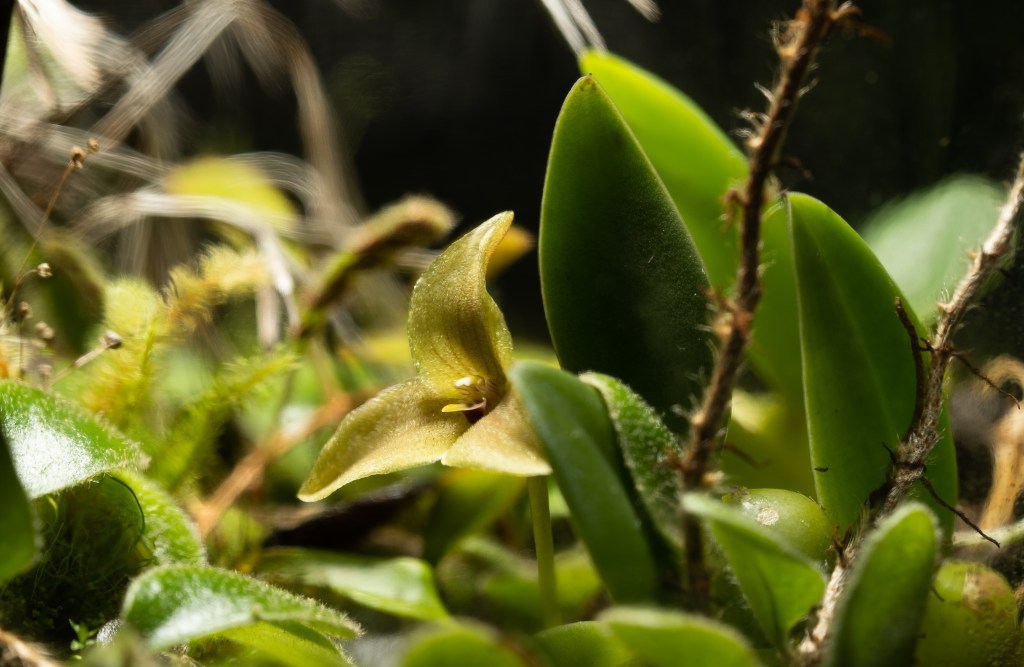
Macro lens for micro plants
Read more: Macro lens for micro plantsPhotography can serve various functions in conjunction with hermetospheres. Some images are created for documentary purposes. They can be used to record developments in the glass container over longer periods of time and to compare different states. Other images have an aesthetic value, and in the best case they succeed in inspiring viewers without a…
-
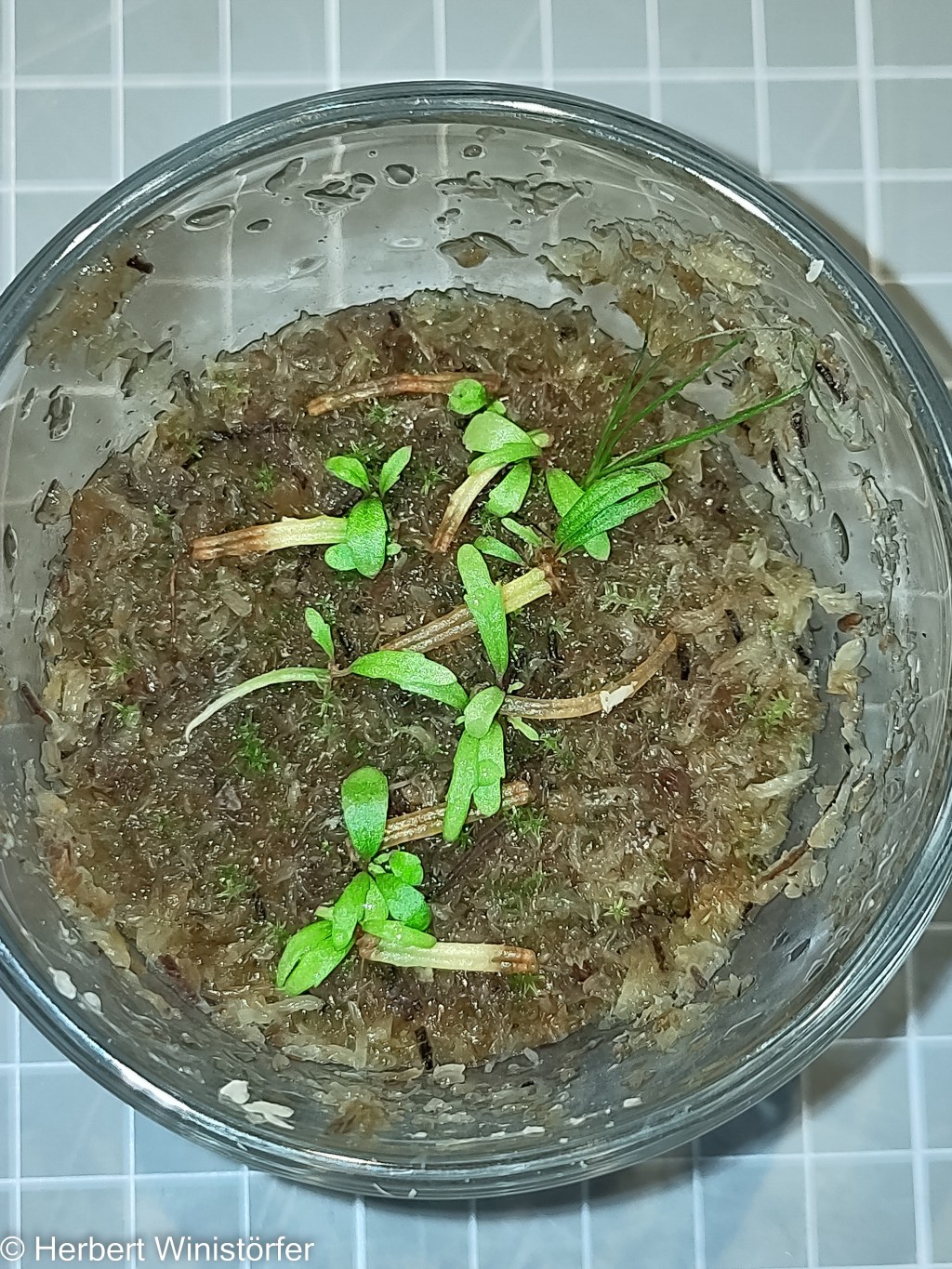
A most exceptional Begonia
Read more: A most exceptional BegoniaBegonia is not only among the most diverse genera in nature (about 1’550 described species), but also among the most intensively cultivated ornamental plants in the world (over 10’000 cultivars). Begonias are known from Africa (160 species), the Americas and Asia (more than 600 species each), but not from Australia. Attempts have been made to…
-
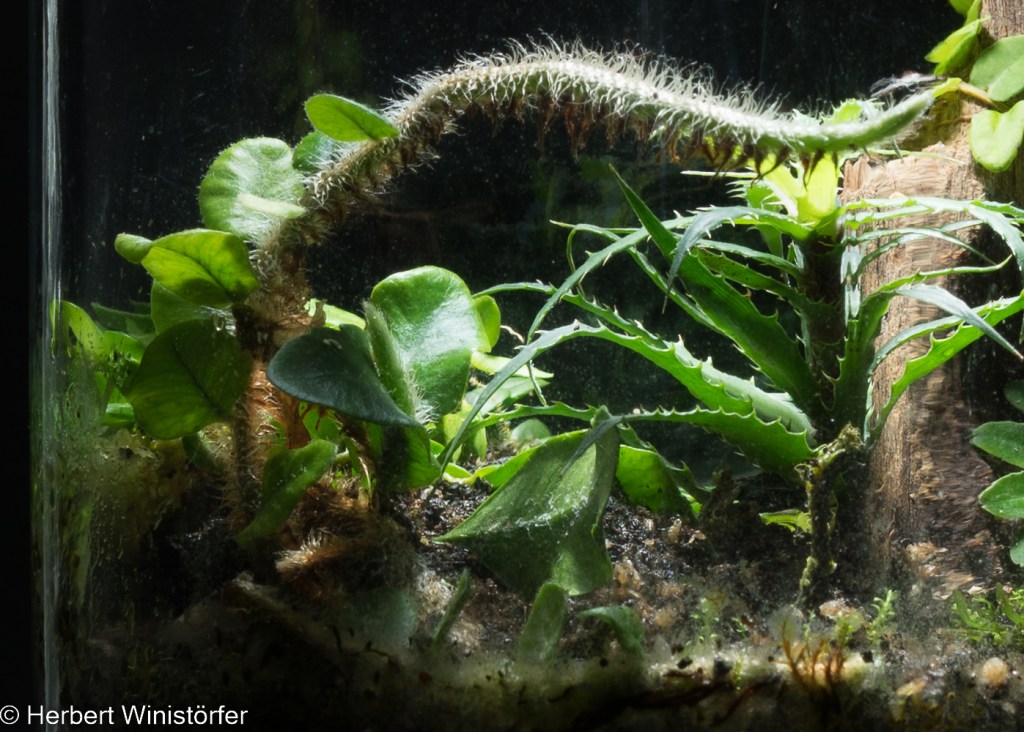
Around the world on behalf of the tsar
Read more: Around the world on behalf of the tsarOn 7 August 1803 the sailing ship Nadeshda under captain Adam Johann von Krusenstern left St. Petersburg for the first Russia-led circumnavigation of the globe on behalf of Tsar Alexander I. During a first stop in Copenhagen, German naturalist Georg Heinrich von Langsdorff (1774-1852), later diplomat in the service of the tsar, came aboard. After crossing…
-

In the studio
Read more: In the studioI was asked for more detail about the way I take the photographs of my hermetospheres in addition to the basics provided earlier, so here it is. Can permanent light be used as main light instead of a camera flash, and does this make a difference for the result? Make your own judgement: You can…
-
Darwin and the mystery of the coiling direction
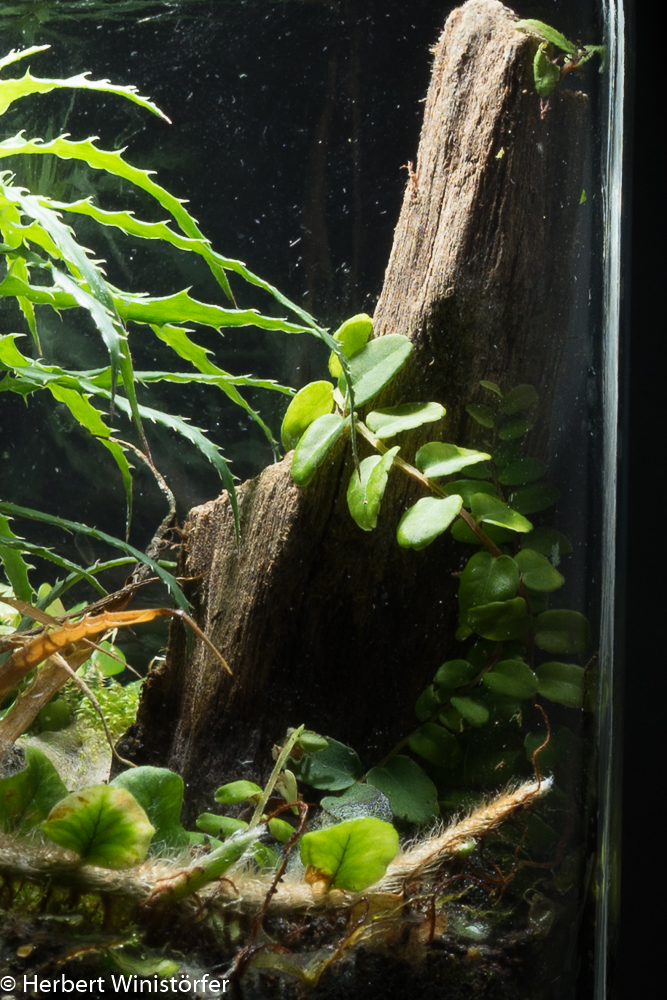
Read more: Darwin and the mystery of the coiling directionWhen I acquired this plant as one of my first purchases to grow in a hermetosphere, it was labelled Marcgravia umbellata, but it might as well be Macgravia oligandra. Both plants originate from the caribbean islands and belong to the shingle-leaf climbers – root-climbing plants whose leaves are adpressed and often overlap (Zona 2020). As…
-

Plant on the move
Read more: Plant on the moveThe “little tree plant” (Biophytum sensitivum) is very popular among terrarium hobbyists. Its natural habitat are wet lands of tropical India and South-East Asia, where it grows in the shades of trees and shrubs, in grass lands at low and medium altitudes (Sakthivel and Guruvayoorappan 2012). It looks like a miniature palm tree, is perennial,…
-
Pyrrosia nummulariifolia
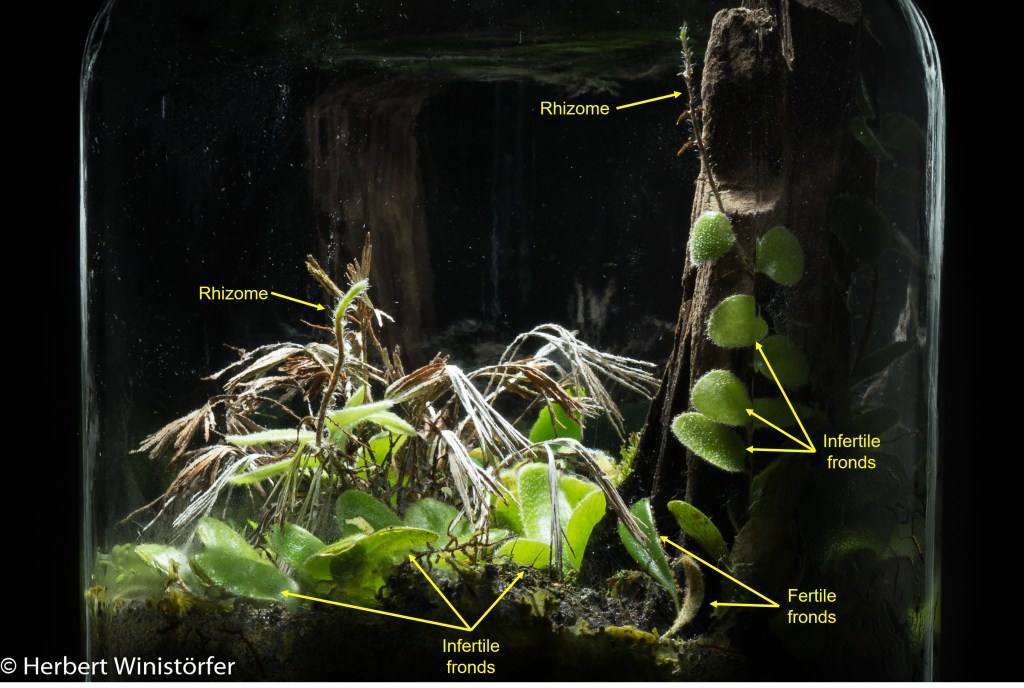
Read more: Pyrrosia nummulariifoliaYou might wonder why this post is categorized as both success and failure. Let me begin with the success. When I started my jar designated to Myanmar in mid-August 2021, I placed a short rhizome cutting of P. nummulariifolia along the border of the substrate. Now, almost a year later, it is well established and…
-

Acclimation (1): Ficus punctata
Read more: Acclimation (1): Ficus punctataClosed glass containers inevitably create extreme conditions for plant growth. This is especially the case for relative humidity, which can be assumed to be close to 100% at all times. Most tropical plants can deal with this, and hardly ever I could observe obvious changes from “normal” greenhouse conditions, where my plants usually come from,…
-
Subscribe
Subscribed
Already have a WordPress.com account? Log in now.
 Hermetospheres